AltaMed Opens Gallery Near Los Angeles to Show Its 4,000-Work Chicano Art Collection
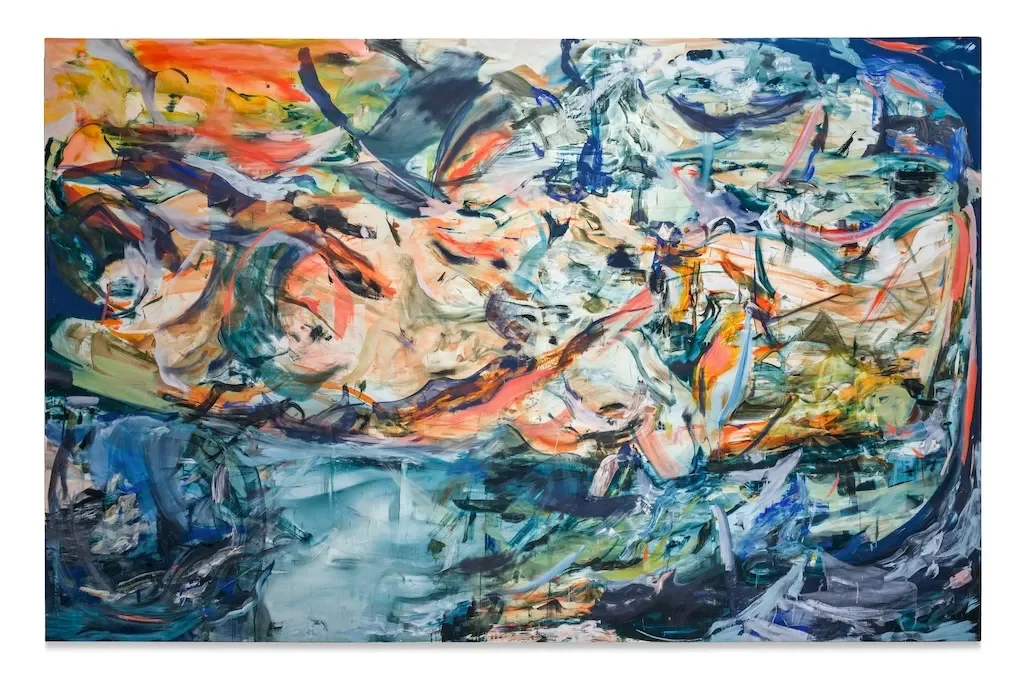
Healthcare company AltaMed has opened an art gallery near Los Angeles to display its Chicano art collection, which numbers more than 4,000 works. The holdings include pieces by Laura Aguilar, Graciela Iturbide and Gabriel Orozco.

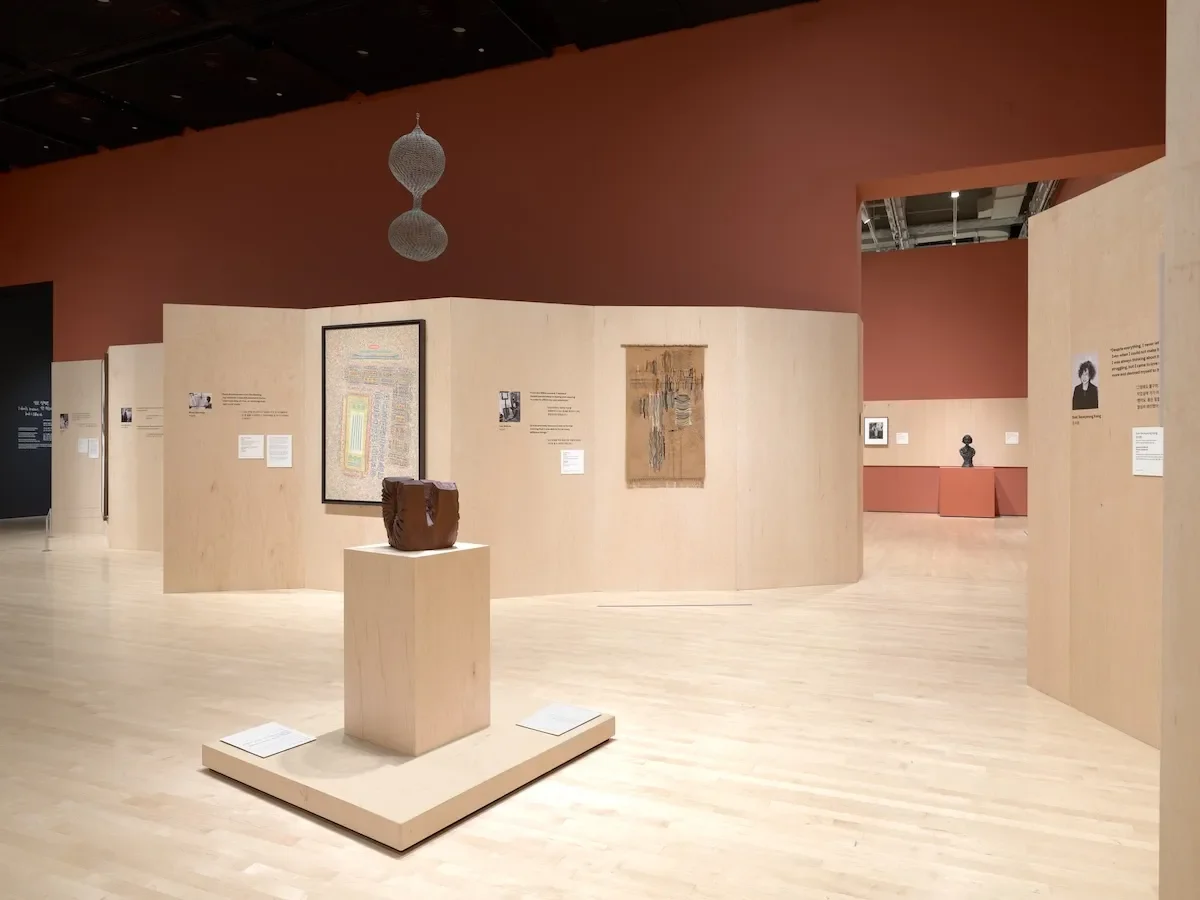
A healthcare company has become the latest institutional player to give a substantial corporate art collection a public-facing home. AltaMed has opened an art gallery near Los Angeles, according to The Art Newspaper, turning part of its holdings into an exhibition resource for the region.
The collection centres on Chicano art and comprises more than 4,000 works. Among the artists represented in the holdings are Laura Aguilar, Graciela Iturbide and Gabriel Orozco — names that give the corporate collection a recognisably serious photographic and contemporary profile.
The scale of the AltaMed holdings is notable in its own right. A collection of more than 4,000 works represents a long-term commitment of resources and curatorial attention, and it places the healthcare company among the larger institutional holders of Chicano art in the Los Angeles area.
A collection moves into view
The opening of a dedicated gallery changes the terms on which that collection can be seen. Holdings assembled over time by a company are often kept for internal display or loaned selectively; a gallery creates a standing venue near Los Angeles where the collection can be presented to a wider audience.
The choice to focus on Chicano art also situates the collection within a specific regional art history. Los Angeles has long been a centre for Chicano art production and scholarship, and a corporate collection built around that field draws on a deep local base of artists and audiences.
A corporate collection of more than 4,000 works, now with a gallery near Los Angeles, gives Chicano art a permanent institutional display space tied to a healthcare company.
The presence of photographers such as Aguilar and Iturbide alongside Orozco indicates a collection with breadth across media rather than a single-market focus. That range matters for how the gallery can programme exhibitions over time.
What the opening signals
For the wider art world, the AltaMed gallery is a reminder that significant collections are not held only by museums and private individuals. Corporate collections can reach institutional scale, and when a company chooses to open a gallery it effectively joins the regional exhibition landscape.
Questions of access, programming and curatorial independence follow naturally from such a move, though the available material does not address them. What is clear is the basic fact: a healthcare company has created a dedicated public venue near Los Angeles for a Chicano art collection of more than 4,000 works.
For collectors and institutions tracking the Los Angeles art ecosystem, the opening adds another address to watch — and another example of corporate collecting being converted into visible cultural infrastructure.