Comparable Sales
Same-artist public sales ranked by medium, creation year, dimensions and sale recency.
No public-rights comparable sales meet the current evidence criteria. RELICT does not fill the table with research-only or licensed-only facts.
Observed sale facts, comparable evidence, artist index history and modeled research remain separate.
Same-artist public sales ranked by medium, creation year, dimensions and sale recency.
James Jackson Jarves (1818–1888), Florence, Italy
Mrs. Liberty E. Holden (1838-1932), Cleveland, Oh, by gift to the Cleveland Museum of Art
The Cleveland Museum of Art, Cleveland, OH
James Jackson Jarves (1818–1888), Florence, Italy Mrs. Liberty E. Holden (1838-1932), Cleveland, Oh, by gift to the Cleveland Museum of Art The Cleveland Museum of Art, Cleveland, OH
The Twentieth Anniversary Exhibition: The Official Art Exhibit of the Great Lakes Exposition. The Cleveland Museum of Art, Cleveland, OH (organizer) (June 26-October 4, 1936). American Exhibition of Foreign Products, Arts, and Manufactures: Art Department, Jarves Collection, Boston, MA (1883-1884).

Jeptha Homer Wade (American, 1811–1890) · 1837
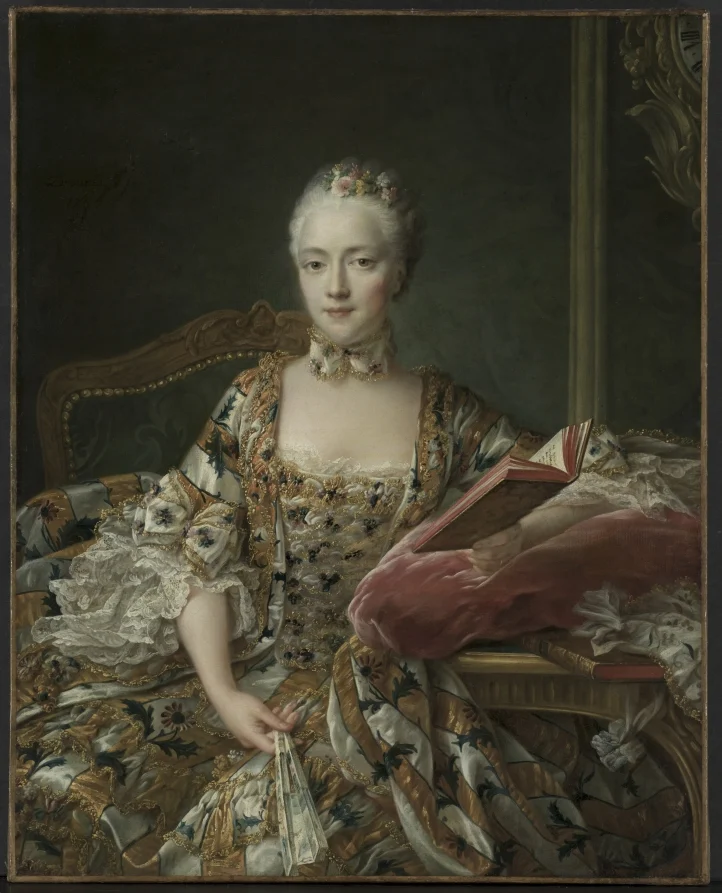
François Hubert Drouais (French, 1727–1775) · 1759
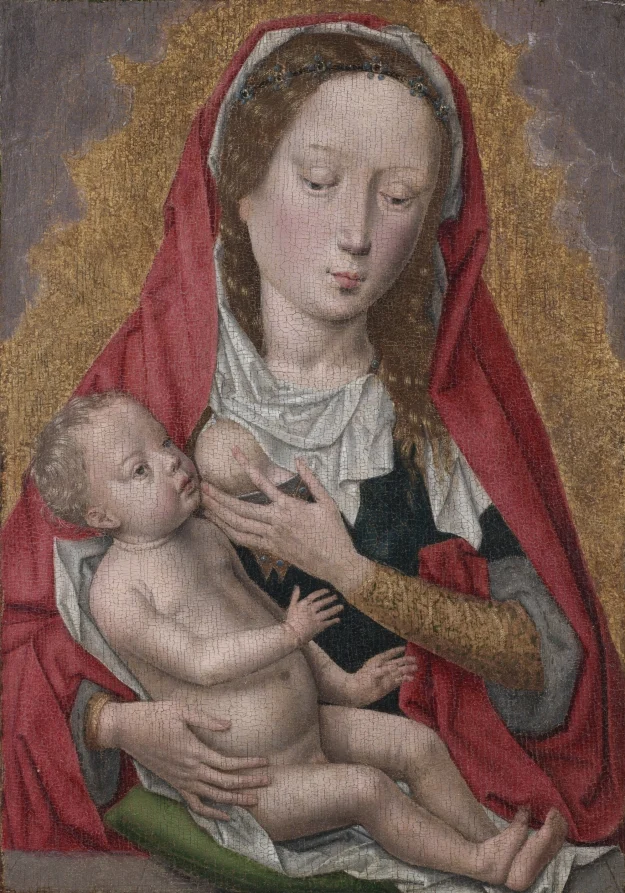
Hans Memling (Netherlandish, 1494) · 1470

Angelos Akotantos (Cretan, died 1450) · 1420
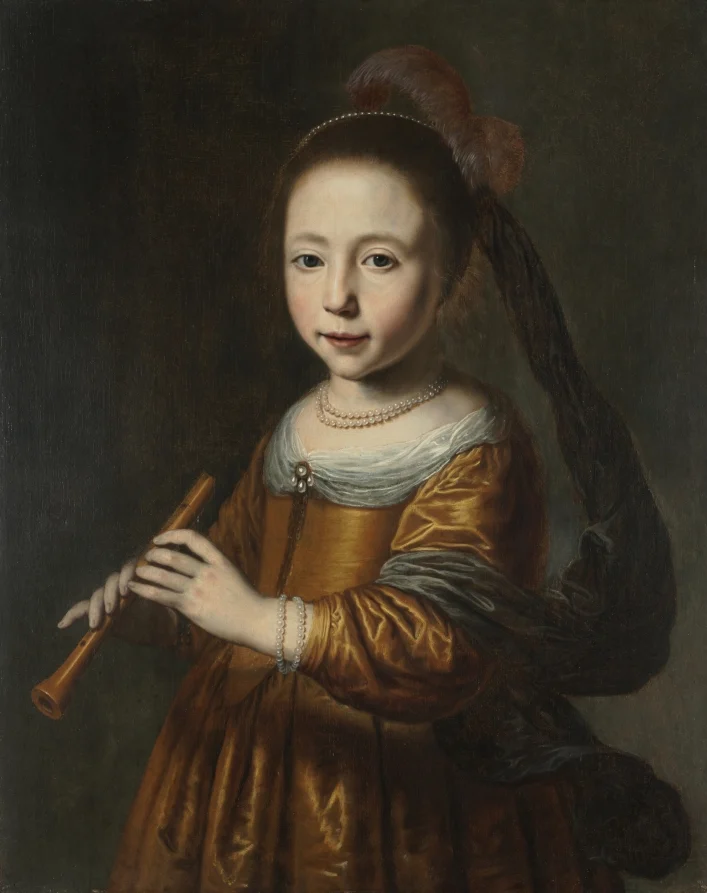
Dirck Dircksz. Santvoort (Dutch, 1610/11–1680) · 1639
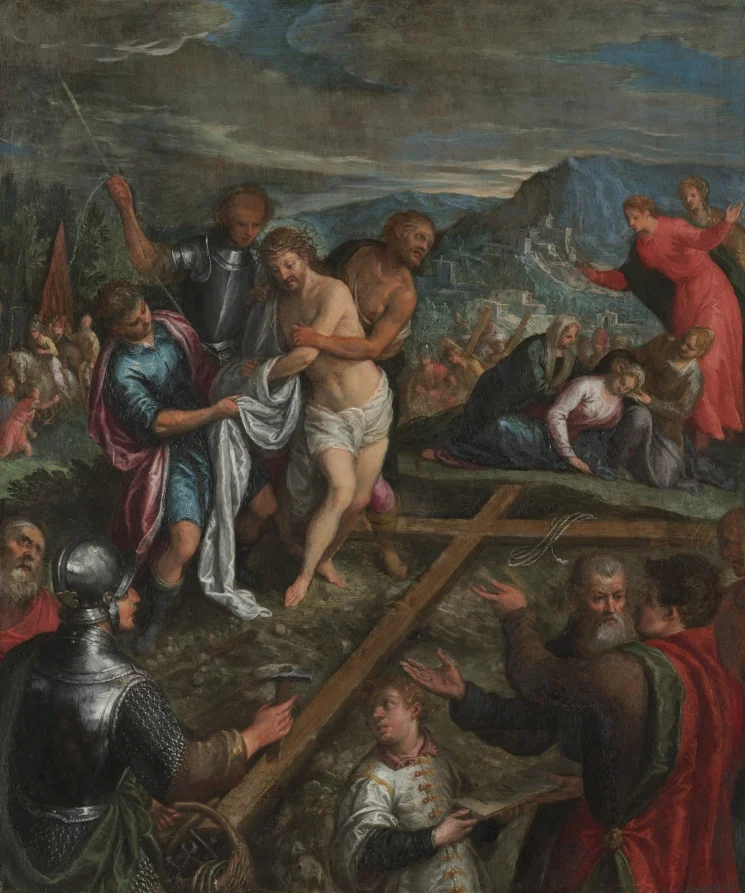
Despite the religious subject, the scale and intricate detail indicate that this painting was not for a church setting. Instead, as an independent work of art, a collector would have admired its artistry and unusual combination of Italian and northern European traditions. Likewise, the subject’s novelty would have intrigued a sophisticated patron. Neither Christ’s disrobing before the Crucifixion nor the debate over the plaque identifying him as Jesus of Nazareth, King of the Jews, are common subjects in the Renaissance. Who made this work remains a mystery. The copper surface, complex composition, and atmospheric landscape imply a painter from north of the Alps, as does Christ’s sinuous body. However, the drapery, rich colors, and figures at lower right stem from Venetian Renaissance art.
Observed sales: 0 · Comparable Sales: 0 · Provenance: 3 · Exhibitions: 1.