Comparable Sales
Same-artist public sales ranked by medium, creation year, dimensions and sale recency.
No public-rights comparable sales meet the current evidence criteria. RELICT does not fill the table with research-only or licensed-only facts.

Observed sale facts, comparable evidence, artist index history and modeled research remain separate.
Same-artist public sales ranked by medium, creation year, dimensions and sale recency.
[Antonio de Crescenzo and Co., Rome, March 15, 1989]
Private collection, Rome, sold to the Cleveland Museum of Art
The Cleveland Museum of Art, Cleveland, OH
[Antonio de Crescenzo and Co., Rome, March 15, 1989] Private collection, Rome, sold to the Cleveland Museum of Art The Cleveland Museum of Art, Cleveland, OH
Africa & Byzantium. The Cleveland Museum of Art, Cleveland, OH (co-organizer) (April 14-July 21, 2024).
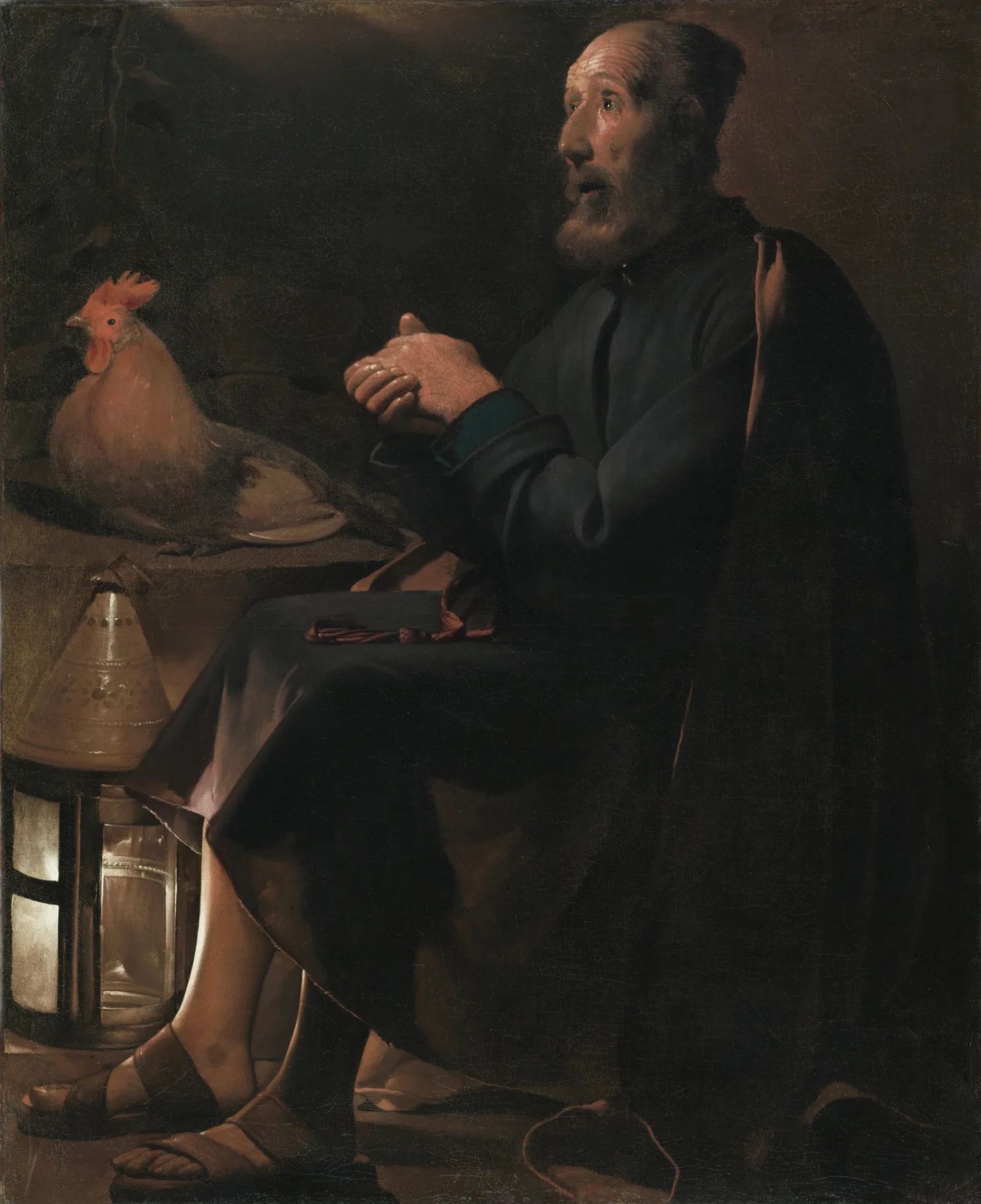
Georges de La Tour (French, 1593–1652) · 1645
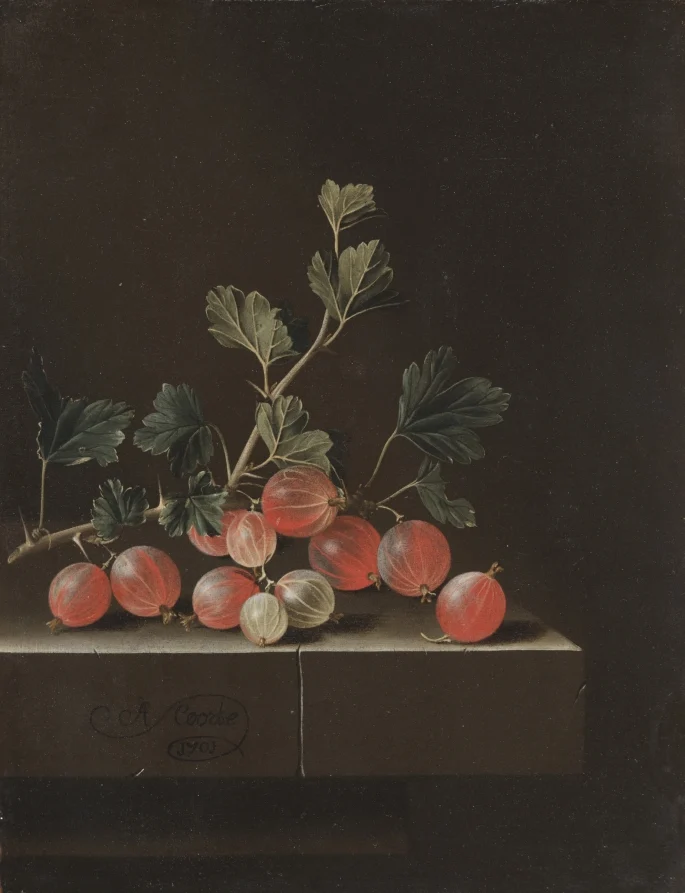
Adriaen Coorte (Dutch, 1660–1707) · 1701
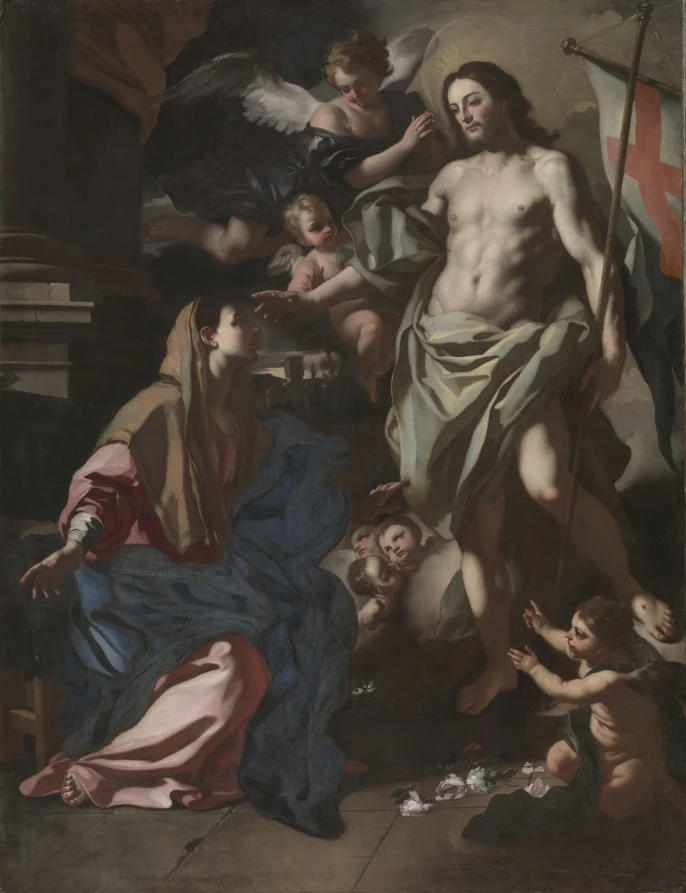
Francesco Solimena (Italian, 1657–1747) · 1703
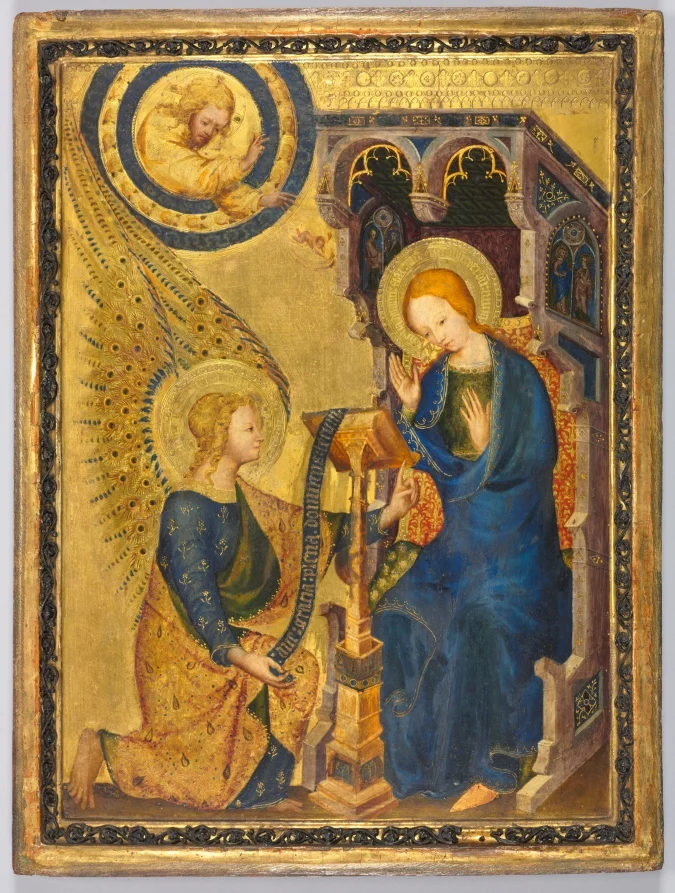
Artist · 1380

Juan de Flandes (Netherlandish, c. 1460–1519) · 1496
This large icon of a tender embrace between the Virgin Mary and Christ likely hung on a Greek Orthodox church’s iconostasis, a screen separating the congregation from the altar-containing sanctuary, which only clergy could enter. A skilled painter of faces and draperies, Angelos Akotantos was among Crete’s most sought-after artists. Based in Byzantium’s artistic center in his hometown of Candia, he painted for imperial clients and beyond. Despite theological differences, Cretan icons of Mary were popular in Ethiopia. In the early 1500s, Emperor Lebna Dengel sent monks Zekre and Pawli to acquire Cretan icons for him. Twenty-nine Cretan icons are still venerated (honored) in Ethiopian churches.
Observed sales: 0 · Comparable Sales: 0 · Provenance: 3 · Exhibitions: 1.