Europol Warns Museum Heists Are Turning More Aggressive as Thieves Shift Targets
A Europol study finds museum thefts growing more direct and confrontational, with force replacing stealth and gold, gems and Chinese artefacts increasingly targeted for resale.
Museum theft is changing shape. A Europol study published in August, Changing Tactics, Changing Targets: The Evolving Nature of Museum Heists, finds that the long-held image of the stealthy museum burglar is giving way to something more direct and confrontational.
Force over stealth
The report states that offenders are adopting more confrontational approaches, including a growing use of force to break into museums and display cases. Sledgehammers, axes, crowbars and sometimes explosives are cited. On some occasions museum workers have been intimidated with weapons, and in others directly assaulted.
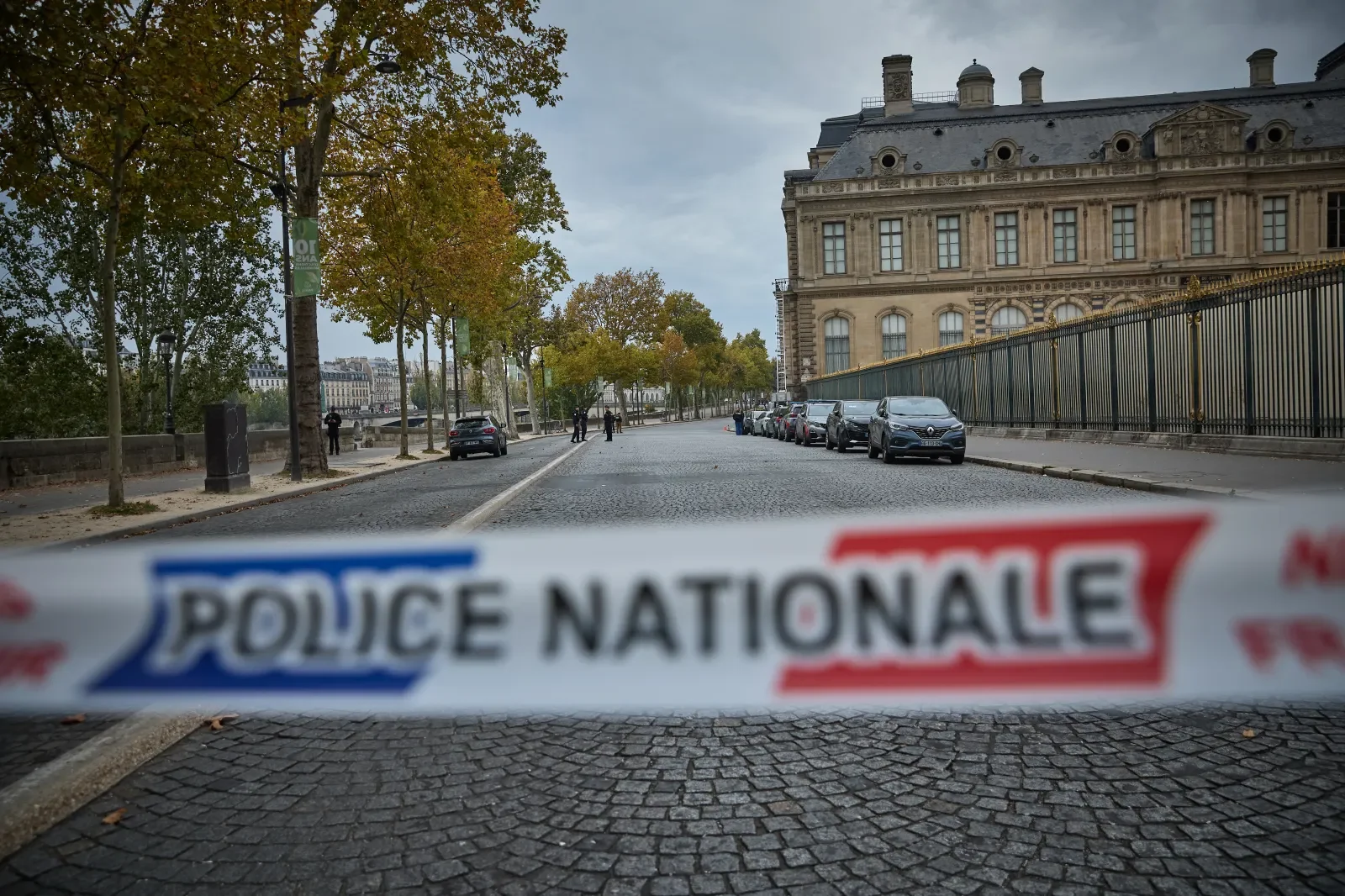
The most explicit example is the Louvre break-in on October 19, 2025, during opening hours. According to the report, staff and visitors were threatened by the men who entered, and the perpetrators fled with more than $102 million worth of the country's crown jewels. The old assumption that museum theft tends to be non-violent, or relies on substituting convincing fakes, no longer holds in these cases.
What is being taken
The targets are shifting too. In recent years thieves have increasingly gone for precious stones and metals such as gold, which can be melted down, cut, or taken apart from their casings and sold without a trace. The report notes a perception that museum security measures are less robust than those in jewellery stores.
Chinese cultural artefacts have also become prominent targets, including 12th- and 13th-century Ming Dynasty porcelain jars and vases, and coloured enamels on bronze vases from the Ming and Qing Dynasties. The report affirms these goods are in high demand and are likely to be easily sold on the art market.
Europol's study identifies resale liquidity, not prestige, as the logic shaping which museum objects thieves now pursue.
Who is carrying out the thefts
The perpetrators tend to have histories of involvement in other types of crime. Increasingly they coordinate with accomplices on an ad hoc basis, without prior connection. The report's picture is not necessarily of organised networks built around a core group or leader; investigators have theorised that criminals may be randomly recruiting low-level accomplices or perpetrators to break into museums.
A disputed trend line
The report itself does not state whether museum heists have become more frequent. Jean-Yves Goriou, head of the EU Organised Crime Unit within Europol's European Serious and Organised Crime Centre, told The Art Newspaper that the agency has observed a clear and steep increase in museum robbery cases since around 2022/2023.
That view was contrasted by Robert Read, head of art and private clients at Hiscox Insurance, who said that in the sense of volume of crimes against museums there has been no change. Julian Radcliffe, director of the Art Loss Register, observed that many of the trends in the Europol report are not new but are arguably occurring on a more pronounced or regular scale.
For collectors, insurers and institutions, the report's practical signal lies less in the disputed volume than in the method: objects that can be quickly converted, and premises perceived as softer than a jeweller's, are now the focus of attention.