Comparable Sales
Same-artist public sales ranked by medium, creation year, dimensions and sale recency.
No public-rights comparable sales meet the current evidence criteria. RELICT does not fill the table with research-only or licensed-only facts.

Observed sale facts, comparable evidence, artist index history and modeled research remain separate.
Same-artist public sales ranked by medium, creation year, dimensions and sale recency.
The Cleveland Museum of Art, Cleveland, Ohio
(Konrad O. Bernheimer, Munich, sold to the Cleveland Museum of Art, 1996)
(Alex Wengraf, London, sold to Konrad O. Bernheimer)
Private collection, Spain, consigned to Alex Wengraf
(Alex Wengraf, London, sold to a Spanish collector)
(Sale, Sotheby’s, London, April 16, 1980, no. 184, withdrawn)
(Sale, Sotheby's, London, July 11, 1979, no. 37, bought in)
The Cleveland Museum of Art, Cleveland, Ohio (Konrad O. Bernheimer, Munich, sold to the Cleveland Museum of Art, 1996) (Alex Wengraf, London, sold to Konrad O. Bernheimer) Private collection, Spain, consigned to Alex Wengraf (Alex Wengraf, London, sold to a Spanish collector) (Sale, Sotheby’s, London, April 16, 1980, no. 184, withdrawn) (Sale, Sotheby's, London, July 11, 1979, no. 37, bought in)

Anthony van Dyck (Flemish, 1599–1641) · 1623
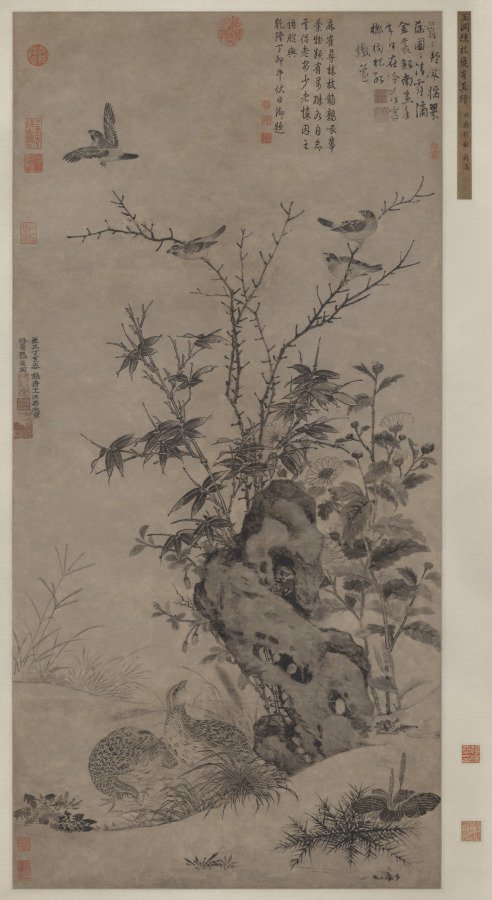
Wang Yuan (Chinese, c. 1299-after 1366) · 1347
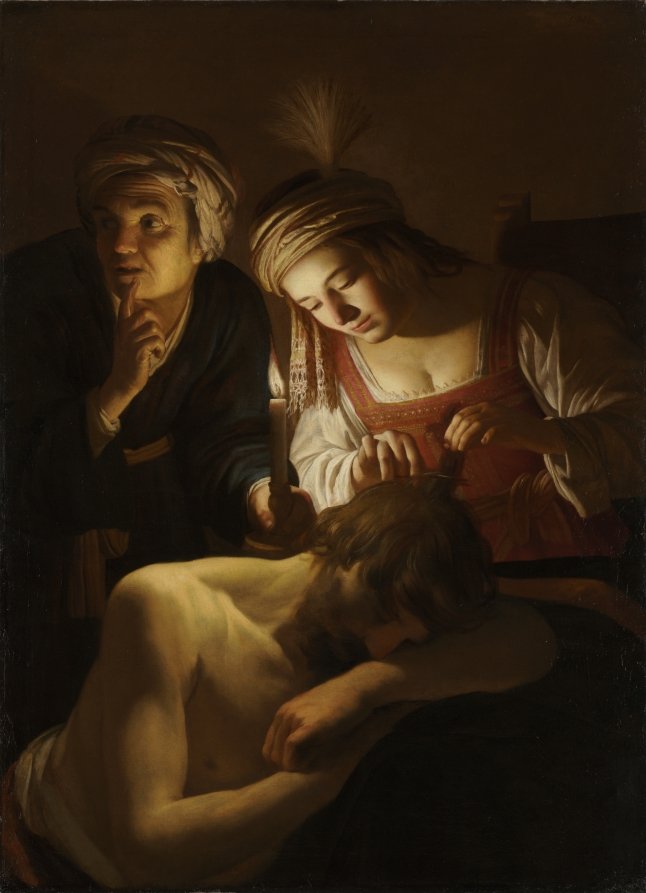
Gerrit van Honthorst (Dutch, 1590–1656) · 1615
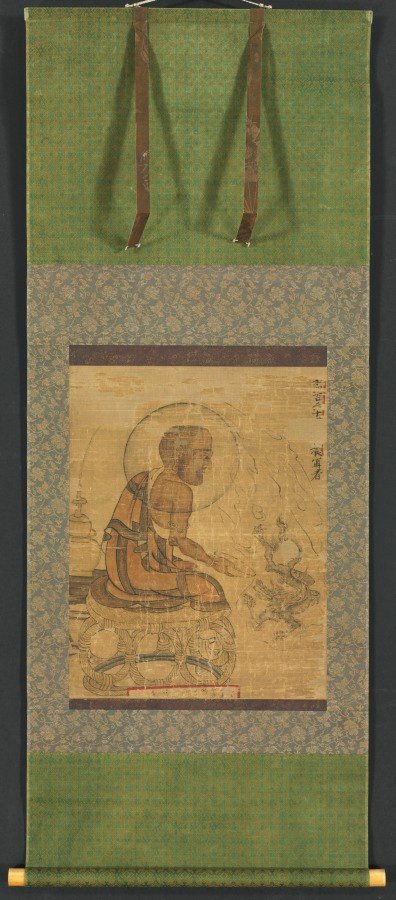
Unknown artist · 1235

Francesco Solimena (Italian, 1657–1747) · 1703
This vividly colored altarpiece was made in Antwerp, the center of religious learning in Catholic Flanders. In the mid-1500s when the Catholic Church mounted a defense against the spread of Protestant reforms, known as the Counter-Reformation, it encouraged the production of religious images that promoted Catholic doctrine, offering opportunities for artists like Rubens, Van Dyck, and Van Balen. Van Balen’s painting depicts the traditional theme of the Trinity, with God the Father holding the dead Christ and the dove of the Holy Spirit hovering above. Unusually, God wears the purple papal tiara, intended to emphasize the pope’s role as God’s true representative on earth. Encircling the figures of the Trinity are angels holding the instruments of Christ’s Passion. On the clasp of God’s elaborate cape is a small figure of Saint Barbara, perhaps a clue to the original location of the work in a chapel dedicated to her.
0 observed sales · 0 comparable sales · 7 structured provenance events · 0 structured exhibitions.