Comparable Sales
Same-artist public sales ranked by medium, creation year, dimensions and sale recency.
No public-rights comparable sales meet the current evidence criteria. RELICT does not fill the table with research-only or licensed-only facts.
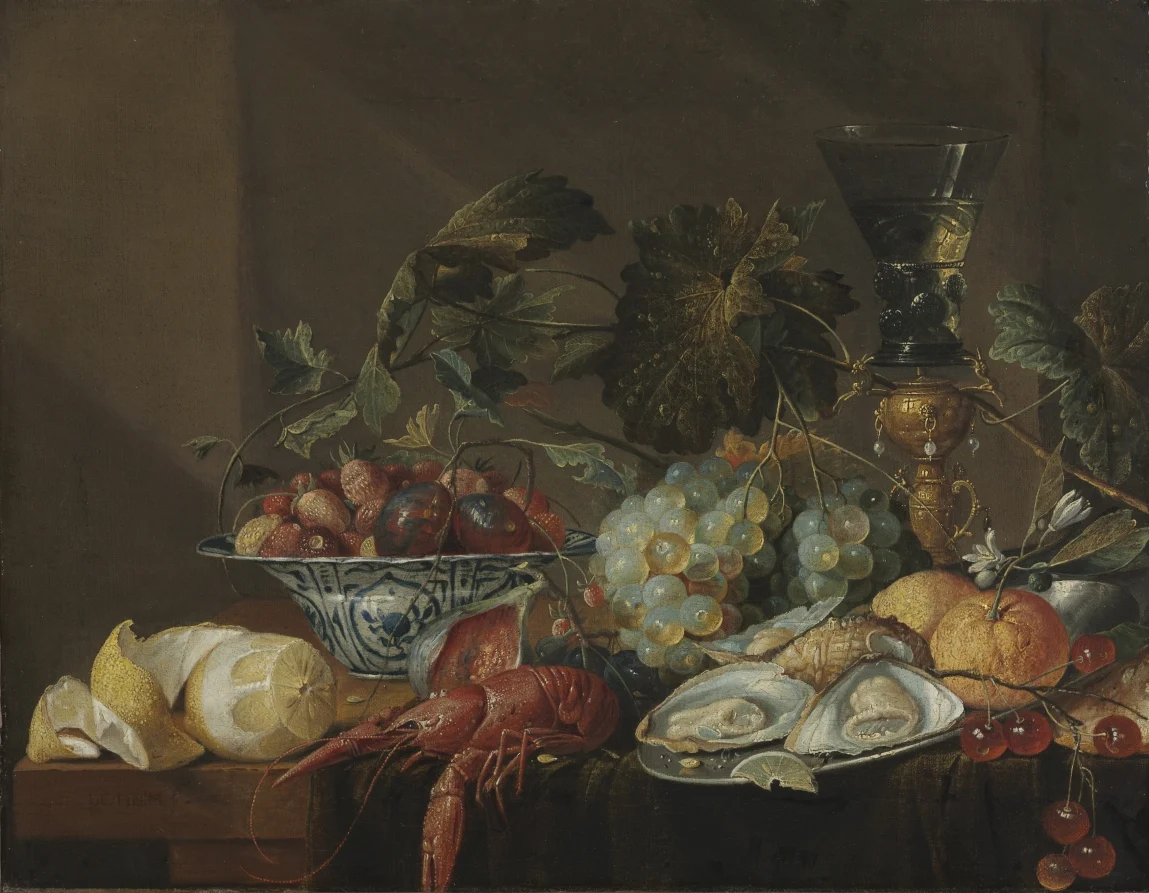
Observed sale facts, comparable evidence, artist index history and modeled research remain separate.
Same-artist public sales ranked by medium, creation year, dimensions and sale recency.
The Historical Progression of Still-Life Painting. Columbus Museum of Art, Columbus, OH (organizer) (December 26, 2010-July 31, 2012). Gallery One 2012. The Cleveland Museum of Art, Cleveland, OH (organizer) (December 12, 2012-March 5, 2017). Columbus Museum of Art, OH (12/26/2010 - 7/31/2012): "The Historical Progression of Still-Life Painting"
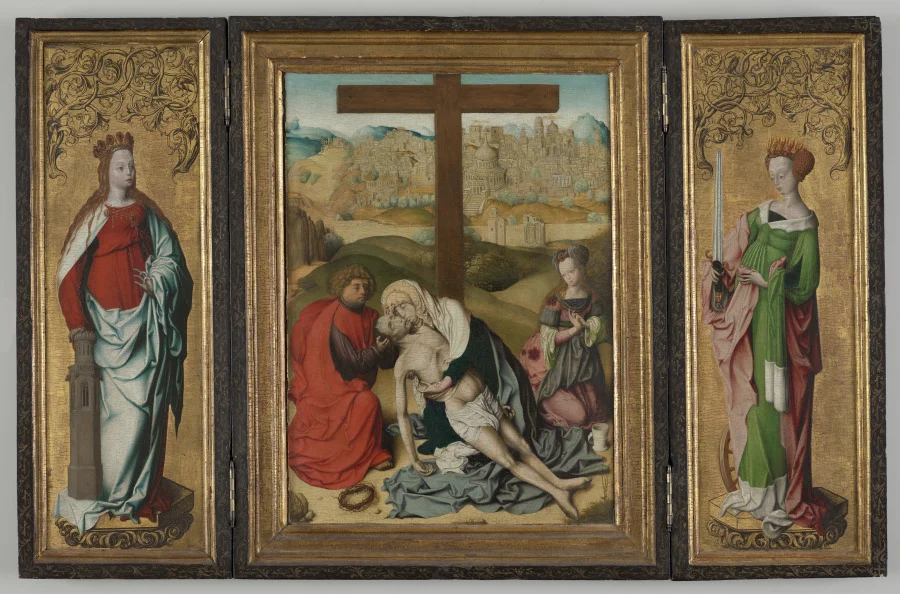
Master of the Krainburg Altar (Austrian, active c. 1485–1510) · 1495
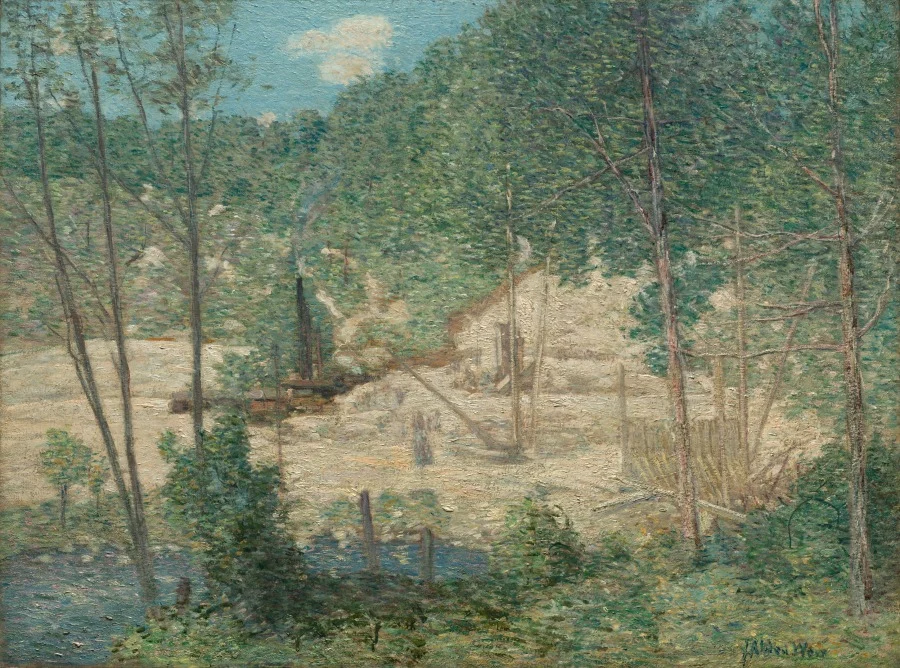
Julian Alden Weir (American, 1852–1919) · 1908
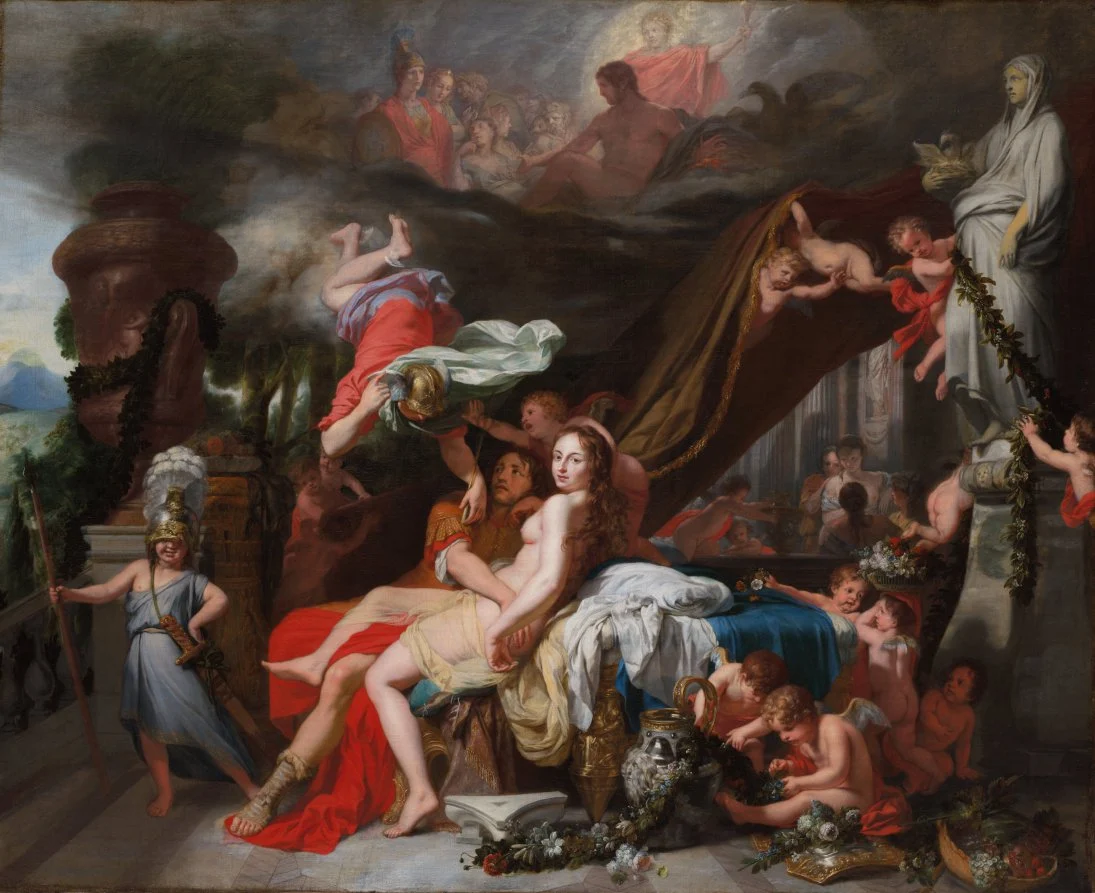
Gerard de Lairesse (Flemish, 1641–1711) · 1665
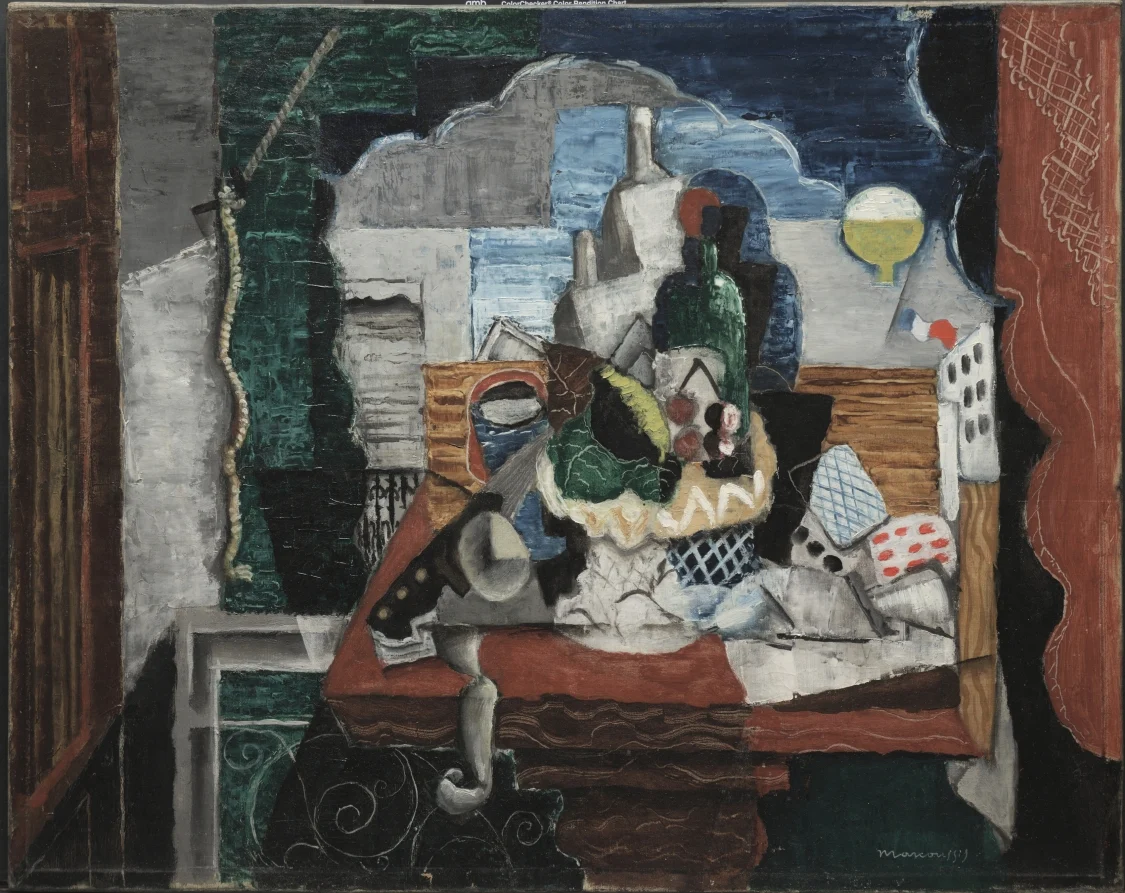
Louis Marcoussis (French, 1883–1941) · 1918
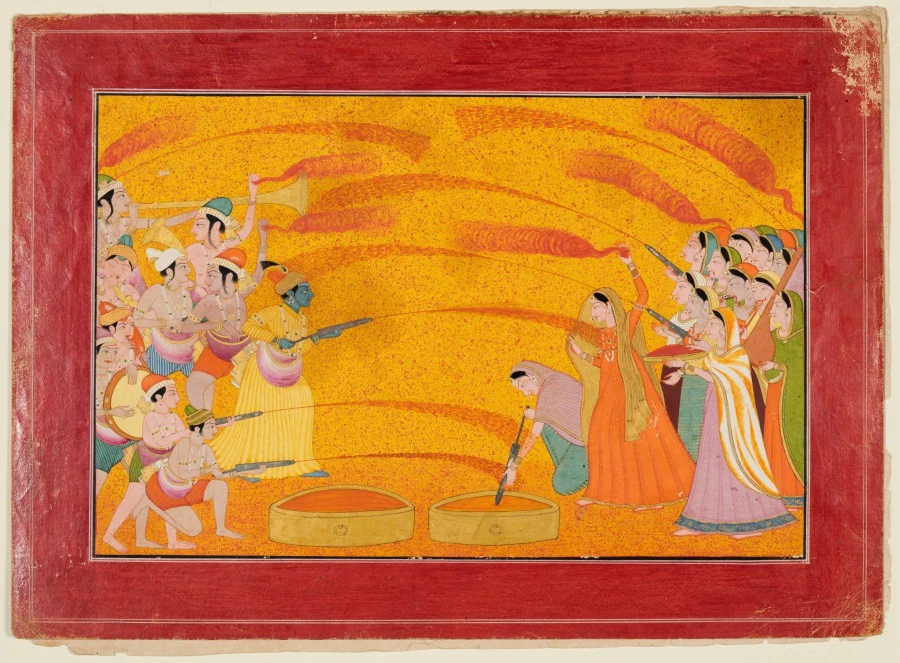
Artist · 1760
The porcelain bowl in this painting most likely came from China. Political turbulence in China effectively eliminated ceramic imports to the West by the 1640s, so the bowl would have been considered at least as valuable as the gold object on the table.
Observed sales: 0 · Comparable Sales: 0 · Provenance: 0 · Exhibitions: 2.