Comparable Sales
Same-artist public sales ranked by medium, creation year, dimensions and sale recency.
No public-rights comparable sales meet the current evidence criteria. RELICT does not fill the table with research-only or licensed-only facts.

Observed sale facts, comparable evidence, artist index history and modeled research remain separate.
Same-artist public sales ranked by medium, creation year, dimensions and sale recency.
Estate of Breckinridge Long [1881–1958], Bowie, MD
(Harry Burke Antiques, Philadelphia, PA)
(Bernard Brown Agency, Milwaukee, WI, sold to the Cleveland Museum of Art. Purchased with funds from...
The Cleveland Museum of Art, Cleveland, OH
Estate of Breckinridge Long [1881–1958], Bowie, MD (Harry Burke Antiques, Philadelphia, PA) (Bernard Brown Agency, Milwaukee, WI, sold to the Cleveland Museum of Art. Purchased with funds from Mrs. A. Dean [Helen Wade Greene] Perry) The Cleveland Museum of Art, Cleveland, OH
Streams and Mountains Without End: Asian Art and the Legacy of Sherman E. Lee at the Cleveland Museum of Art. The Cleveland Museum of Art, Cleveland, OH (organizer) (June 27-August 23, 2009). Art and Stories from Mughal India. The Cleveland Museum of Art, Cleveland, OH (organizer) (July 31-October 23, 2016).
Artist · 1555
Artist · 1555
Artist · 1555
Artist · 1555
Artist · 1555
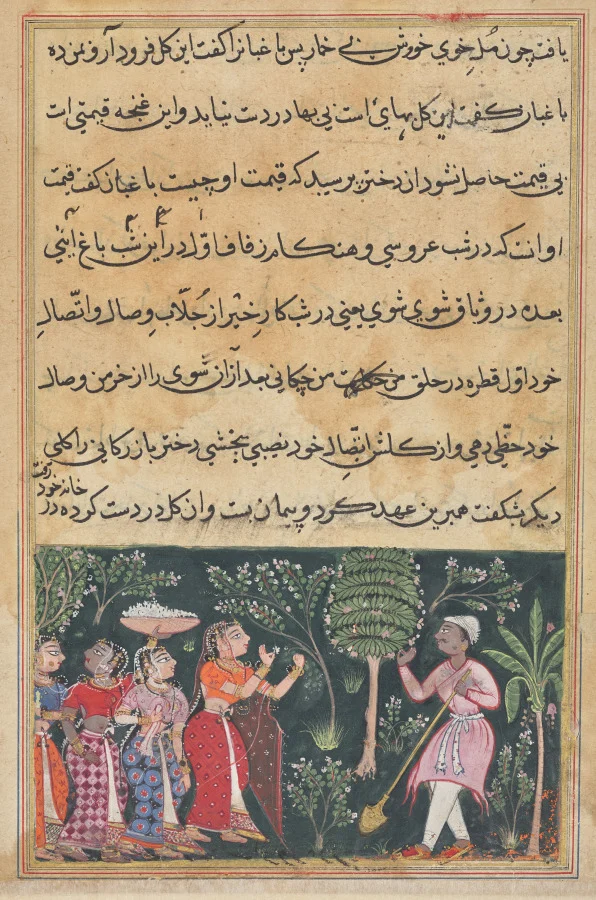
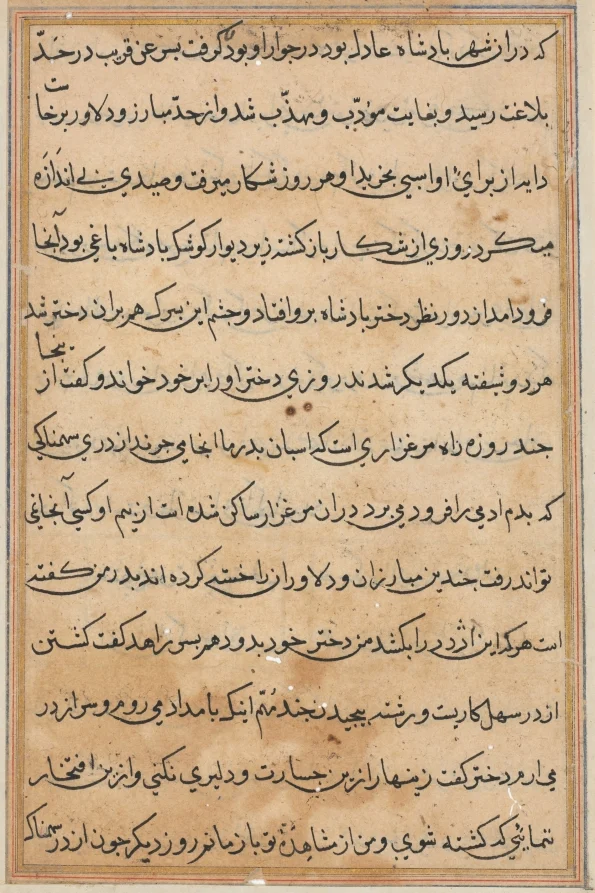
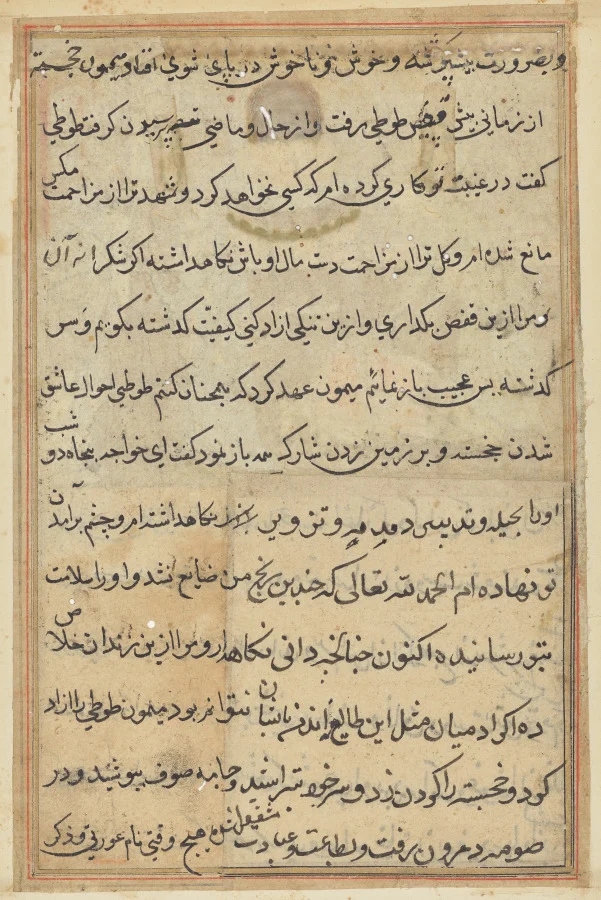
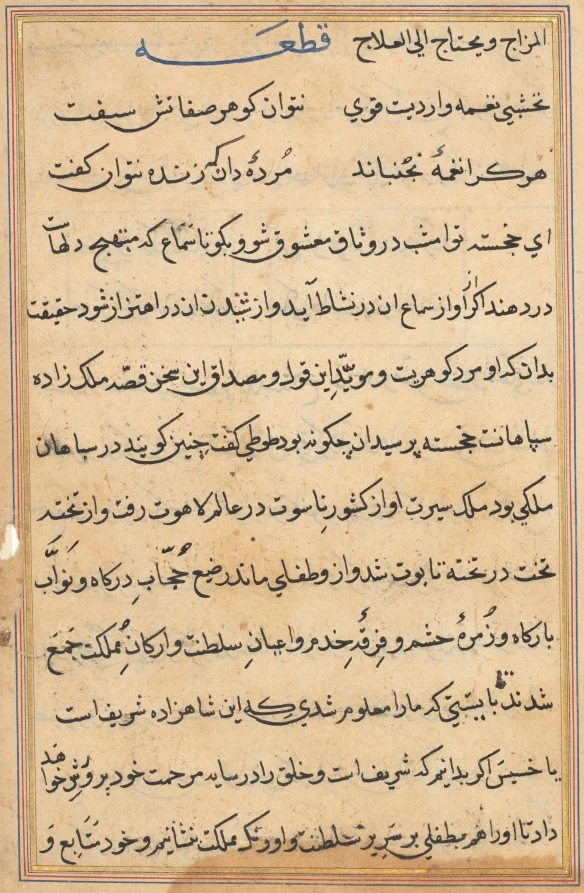
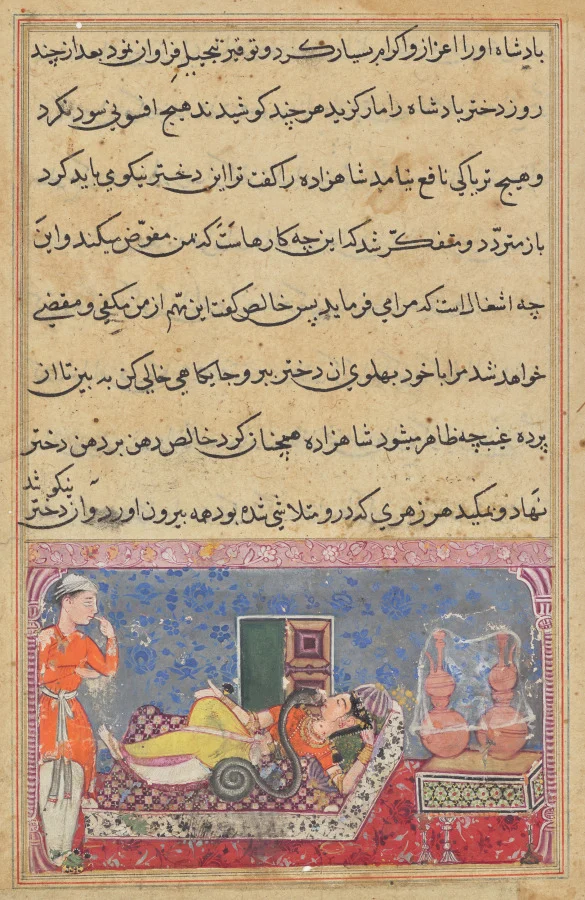
The book of the Tuti-nama from which this page comes consists of 341 folios, or 682 pages. The 52 tales told by the parrot Tuti to his mistress Khujasta and the overarching frame story about Khujasta herself are all written in Persian. Here the form of the script is called naskh and is read from right to left. The word in blue means “cut,” which indicates that the prose narrative will cut to a poetic verse. The Tuti-nama was written in 1329–30 by a Persian-speaking Sufi scholar and author from Central Asia. He based it on an earlier Persian work that recast a collection of Sanskrit fables from ancient India and other Persian tales. The blending of cultures and ethnicities long pre-dated the Mughals in India.
Observed sales: 0 · Comparable Sales: 0 · Provenance: 4 · Exhibitions: 2.