Comparable Sales
Same-artist public sales ranked by medium, creation year, dimensions and sale recency.
No public-rights comparable sales meet the current evidence criteria. RELICT does not fill the table with research-only or licensed-only facts.
Observed sale facts, comparable evidence, artist index history and modeled research remain separate.
Same-artist public sales ranked by medium, creation year, dimensions and sale recency.
(Yanagi Fine Art Shop, Kyoto, Japan, sold to the Cleveland Museum of Art)
The Cleveland Museum of Art, Cleveland, OH
(Yanagi Fine Art Shop, Kyoto, Japan, sold to the Cleveland Museum of Art) The Cleveland Museum of Art, Cleveland, OH
The Year in Review for 1987. The Cleveland Museum of Art, Cleveland, OH (organizer) (February 24-April 17, 1988). Highlights of Asian Paintings from The Cleveland Museum of Art. Nara National Museum (organizer) (February 21-March 29, 1998); Suntory Museum of Art (April 28-June 21, 1998). Admired from Afar: Masterworks of Japanese Painting from the Cleveland Museum of Art. Tokyo National Museum, Tokyo, Japan (January 15-February 23, 2014); Kyushu National Museum, Fukuoka, Japan (July 8-August 31, 2014). Japanese Gallery 235 Rotation - July 2017-January 2018. The Cleveland Museum of Art (organizer) (July 15, 2017-January 2, 2018). Highlights of Japanese Art. The Cleveland Museum of Art, Cleveland, OH (organizer) (December 7, 2025-June 14, 2026). Main Japanese Rotation (Gallery 119). The Cleveland Museum of Art, Cleveland, OH (October 29, 2003-March 15, 2004).
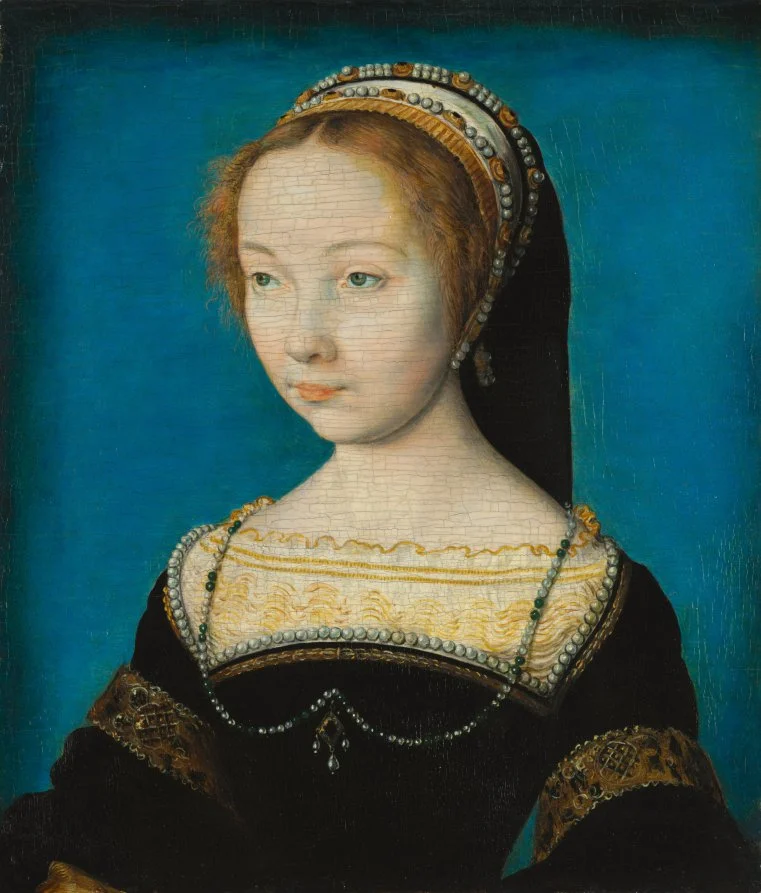
Corneille de Lyon (Netherlandish, 1500/10–1574) · 1540

Artist · 1800
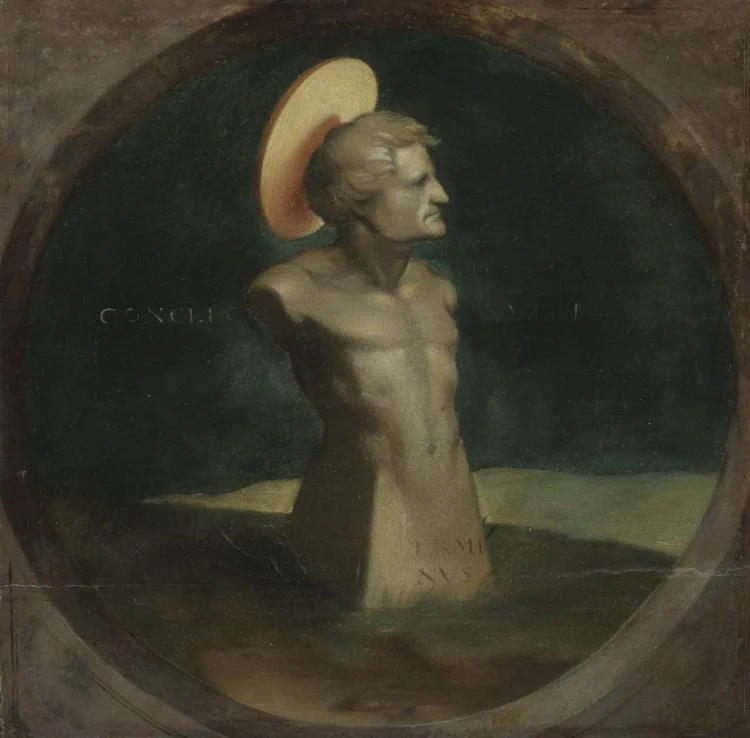
Hans Holbein the Younger (German, active England and Switzerland, 1497/98–1543) · 1527
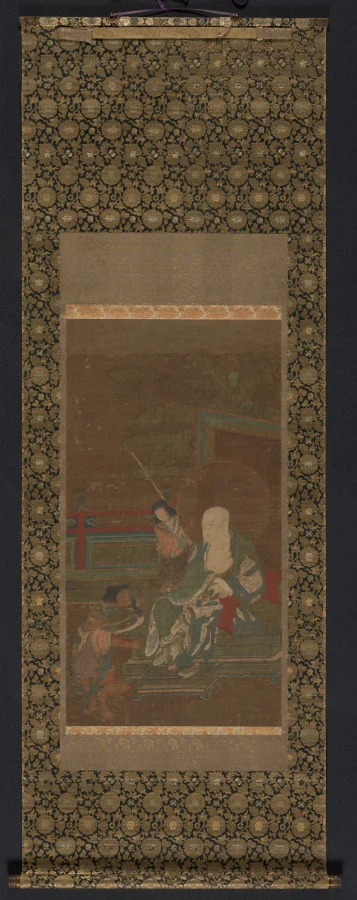
Artist · 1275

Artist · 1665
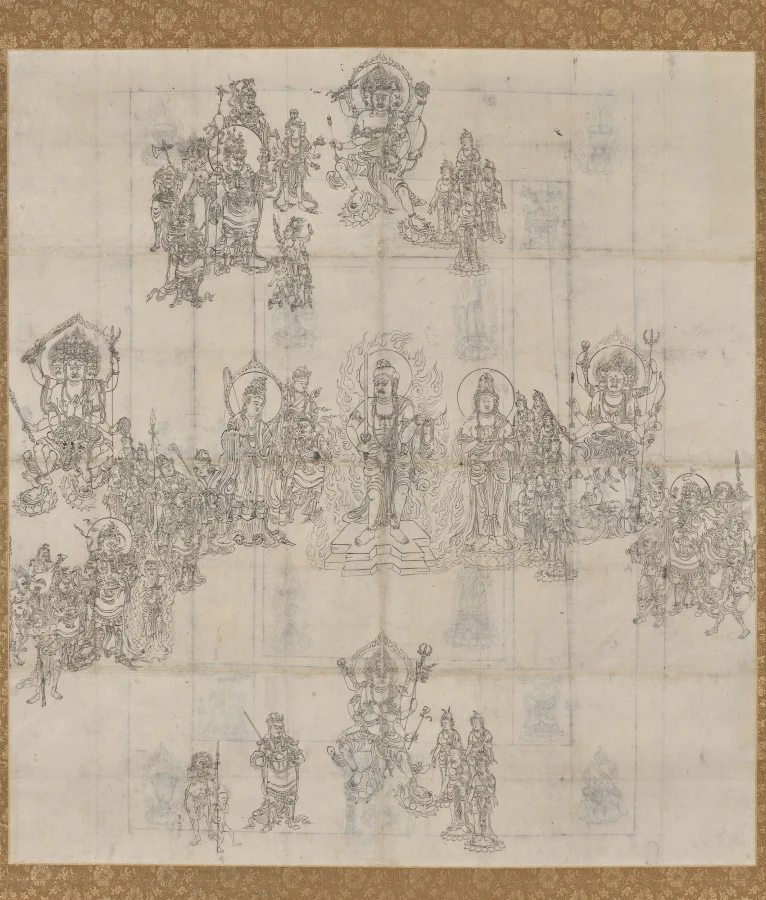
The <em>Benevolent Kings Sutra</em> has been a highly valued Buddhist scripture in Japan since the Nara period (710–794), when it started to be recited in a ceremony to pray for the peace and protection of the country. In the 800s, the monk Kūkai brought back from China a new translation of the text as well as Buddhist iconographic sketches to perform the rituals based on the sutra. Five scroll sets of copies of the original sketches brought by Kūkai are preserved in Daigoji and Tōji temples in Kyoto. This sketch, which has figural depictions of deities on the front and deities symbolized by objects on the back, differs in some ways from each of those sets, and represents an alternate approach to creating a mandala based on the <em>Benevolent Kings Sutra</em>.
Observed sales: 0 · Comparable Sales: 0 · Provenance: 2 · Exhibitions: 5.