Vergleichsverkäufe
Öffentliche Verkäufe desselben Künstlers, geordnet nach Technik, Entstehungsjahr, Maßen und Aktualität des Verkaufs.
Beobachtete Verkäufe, Vergleichsnachweise, Künstlerindexhistorie und modellierte Forschung bleiben getrennt.
Öffentliche Verkäufe desselben Künstlers, geordnet nach Technik, Entstehungsjahr, Maßen und Aktualität des Verkaufs.
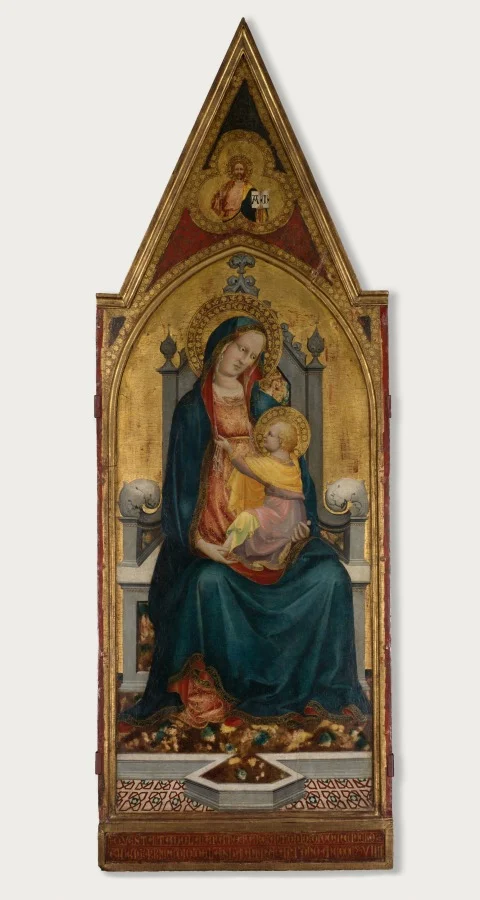
In Memoriam: Leonard C. Hanna, Jr.. The Cleveland Museum of Art, Cleveland, OH (organizer) (March 4-April 7, 1958). Florence and the Arts: Five Centuries of Patronage. The Cleveland Museum of Art, Cleveland, OH (organizer) (July 13-September 19, 1971). Fra Angelico. The Metropolitan Museum of Art, New York, NY (organizer) (October 24, 2005-January 30, 2006). The Art of Devotion: Panel Painting in Early Renaissance Italy. Middlebury College Museum of Art, Middlebury, VT (organizer) (September 17-December 13, 2009); Mount Holyoke College Art Museum, South Hadley, MA (February 9-May 31, 2010). Metropolitan Museum of Art, New York, NY (10/24/2005 - 1/30/2006): "Fra Angelico" Middlebury College Museum of Art, Middlebury, VT (9/17/2009 - 12/13/2009) and Mount Holyoke College Art Museum, South Hadley, MA (2/9/2010 - 5/31/2010): "The Art of Devotion: Panel Painting in Early Renaissance Italy" exh. cat. no. 11, p. 96-97.

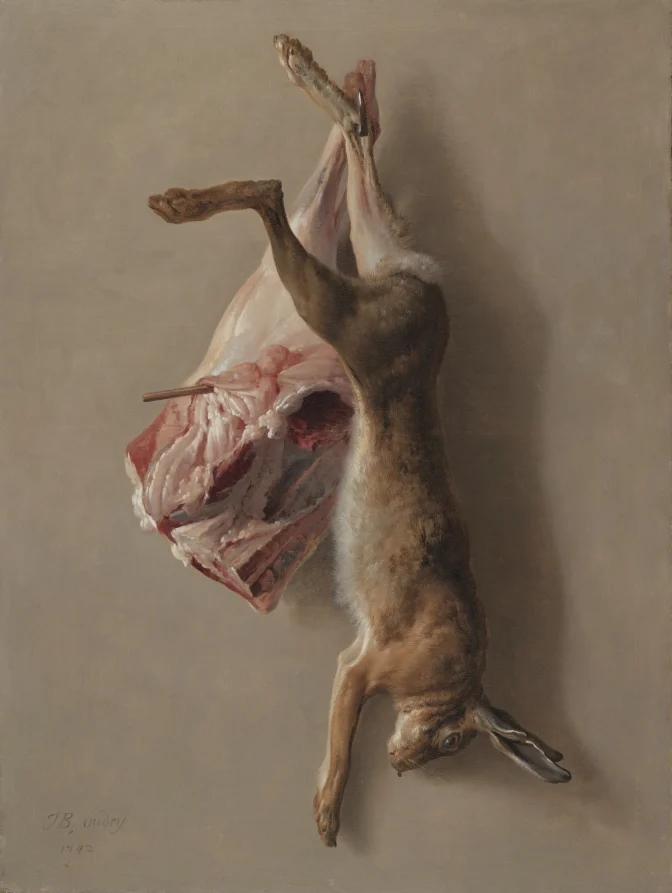
Jean-Baptiste Oudry (French, 1686–1755) · 1742

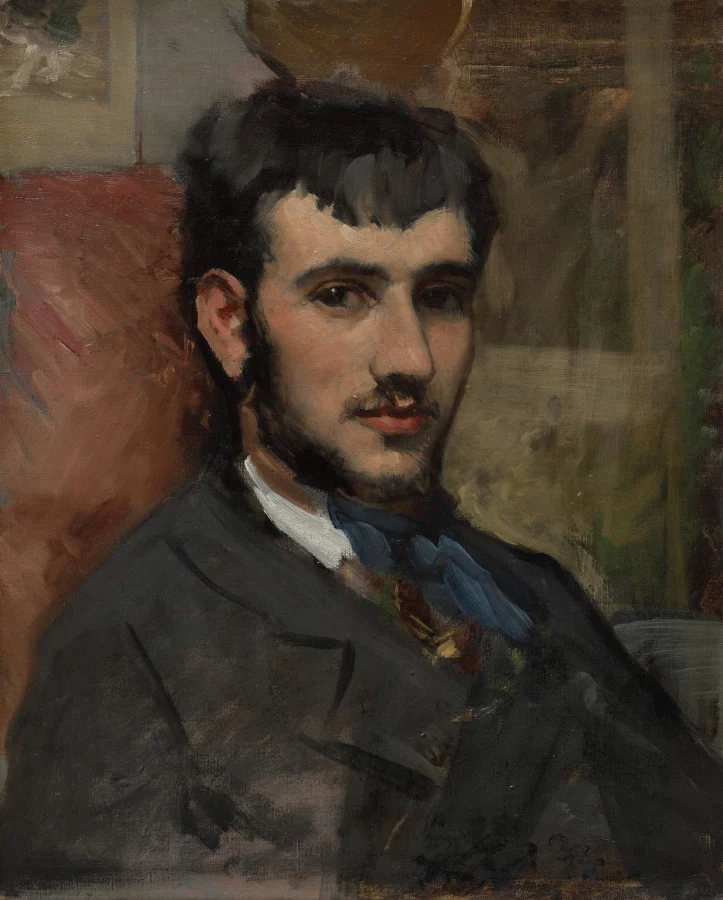
Frédéric Bazille (French, 1841–1870) · 1867

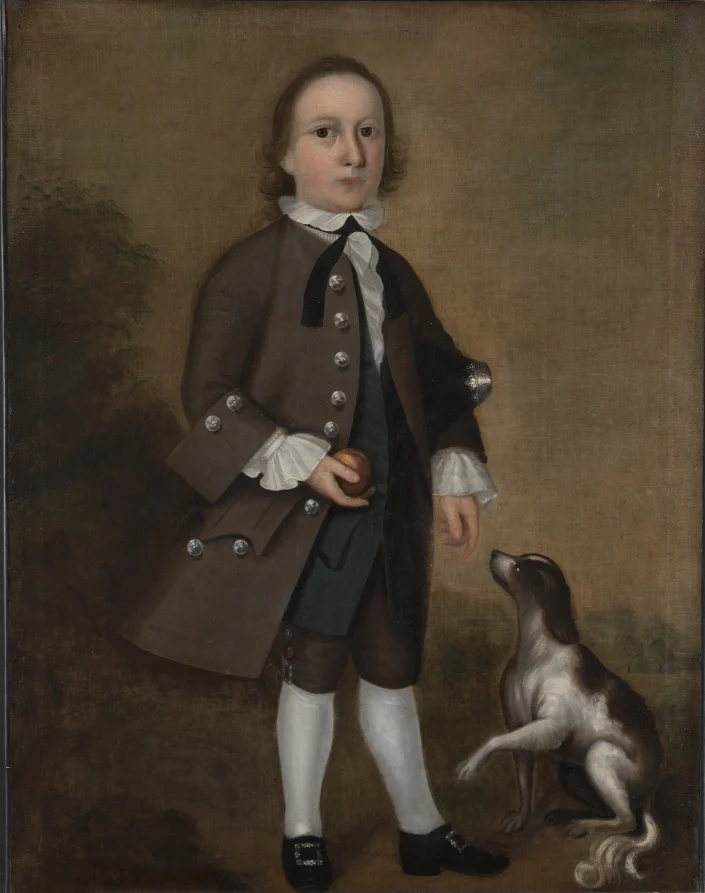
Joseph Badger (American, born The Thirteen Colonies, 1708–1765) · 1753

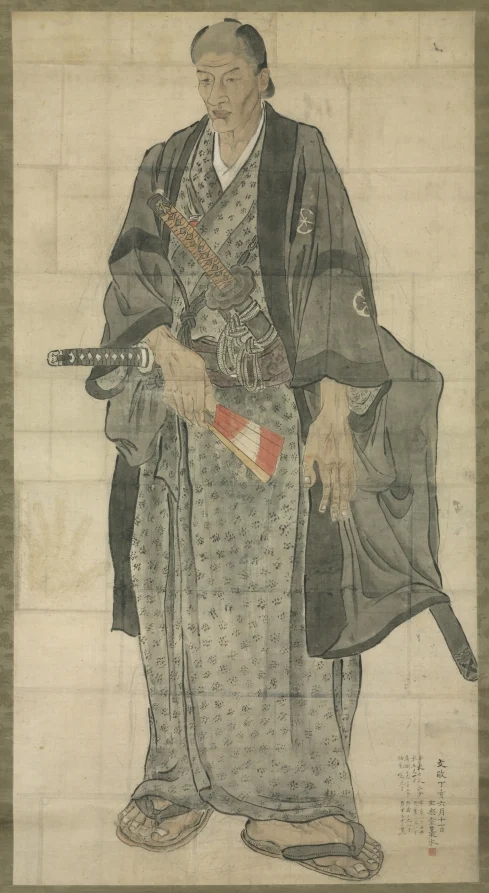
Watanabe Kazan (Japanese, 1793–1841) · 1827

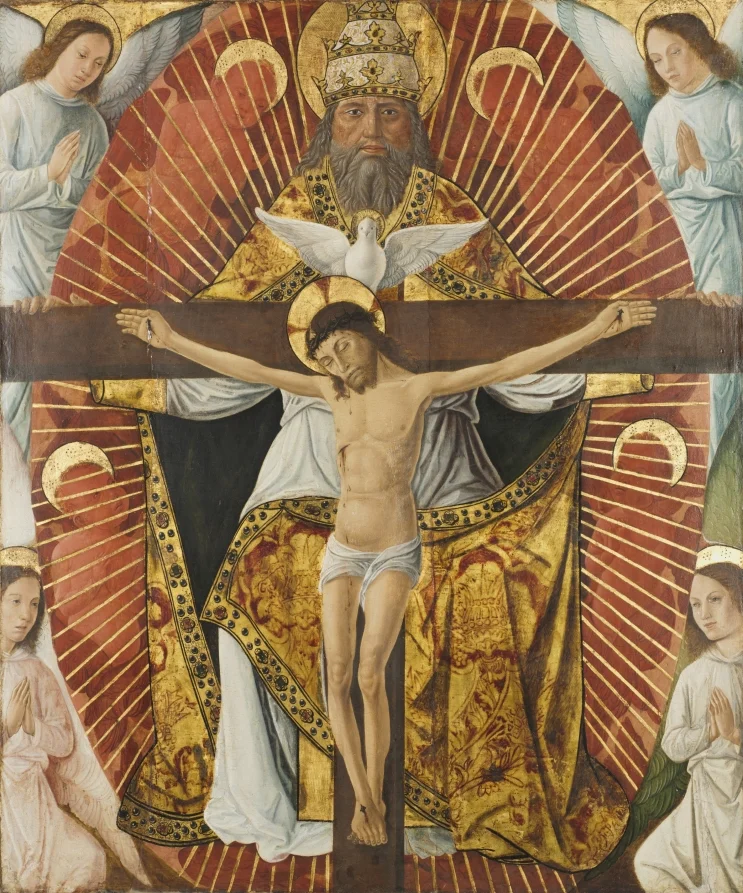
Laurent Girardin (French, 1478) · 1455
Rather than depicting a single moment in time, this gold-ground painting symbolically encapsulates Christ. Seated on a rich throne, the monumental Virgin holds the Christ child. Above, the risen Christ is seen in heaven holding a book, inscribed with the alpha and omega, the first and last letters of the Greek alphabet, signifying Christ’s role as the beginning and end of all things. The Italian inscription states: "This painting was made for Antonio di Domenicho Giugni for the repose of his soul, the year of our Lord 1419." In the 1300s, Italian painting focused on the heavenly aspects of Christian faith in order to convey abstract religious concepts. Depicted as specimens of formal beauty, sacred figures were placed against an ethereal gold background. Within a hundred years, artists began to highlight the earthly aspects of sacred figures, placing them within naturalistic landscapes. In this newer style of painting, the approachability of sacred figures fostered devotion among the faithful.
Beobachtete Verkäufe: 0 · Vergleichsverkäufe: 0 · Provenienz: 0 · Ausstellungen: 4.