AI Can't Beat My Art Detective Skills Yet—But If It Does, I Have a Plan B
Google Lens failed to identify a recently acquired 17th-century portrait, suggesting some art-world tasks remain beyond the machines. If automation advances, certain art jobs still appear difficult to replace.

A Test the Machine Failed
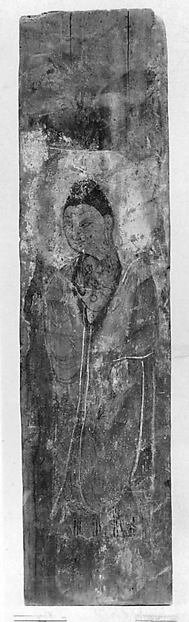
The arrival of artificial intelligence has prompted plenty of speculation about which art-world skills it might displace. One comparison point now comes from a diarist's account of a recently acquired 17th-century portrait.
Using Google Lens, the writer found the tool could not identify the work this time. The portrait remains unattributed by the image-recognition technology.
Connoisseurship's Staying Power
That result is a reminder that identification is not a simple image-matching exercise. A machine can compare visual features, but a recently acquired old master portrait can resist easy recognition.
Google Lens could not identify the diarist's recently acquired 17th-century portrait.
The episode says little about AI's broader trajectory and everything about one specific task: looking at a painting and decoding what it is, who painted it and where it belongs.
Skills the Machines Haven't Replaced
Even if the machines do take over, the writer suggests there are art jobs they surely cannot replace. The precise list is left unstated, but the underlying point is clear: some forms of art-historical work rest on judgement and familiarity rather than pattern matching alone.
Those are the tasks that gather no headlines but sustain the trade—examining surfaces, weighing evidence, building arguments about authorship and date.
A Plan B in Reserve
For all that, the diarist is not betting everything on human superiority. The headline admits the possibility of an AI future and notes there is a plan B if it arrives.
That honesty is the useful part of the account. It treats AI neither as an imminent threat nor as a passing fad, but as a variable to be watched and prepared for.
Why the Non-Identification Matters
The value of the anecdote lies in its narrowness. A single failed identification does not prove machines cannot identify old master portraits generally, and the writer does not claim otherwise.
What it does show is that the pipeline from photograph to catalogued attribution is not automatic. For now, the human art detective still has work to do.
What Remains Open
Questions of attribution, date and maker remain with the writer, not the software. The piece offers no prediction about when that might change.
Its real subject is the professional posture it recommends: test the tools, measure what they can do, and keep a fallback close by.