World Monuments Fund Study Finds Funding Gap Now Top Threat to Heritage Sites
A new World Monuments Fund study reports that inadequate public funding is now viewed as a greater danger to cultural sites than climate change.
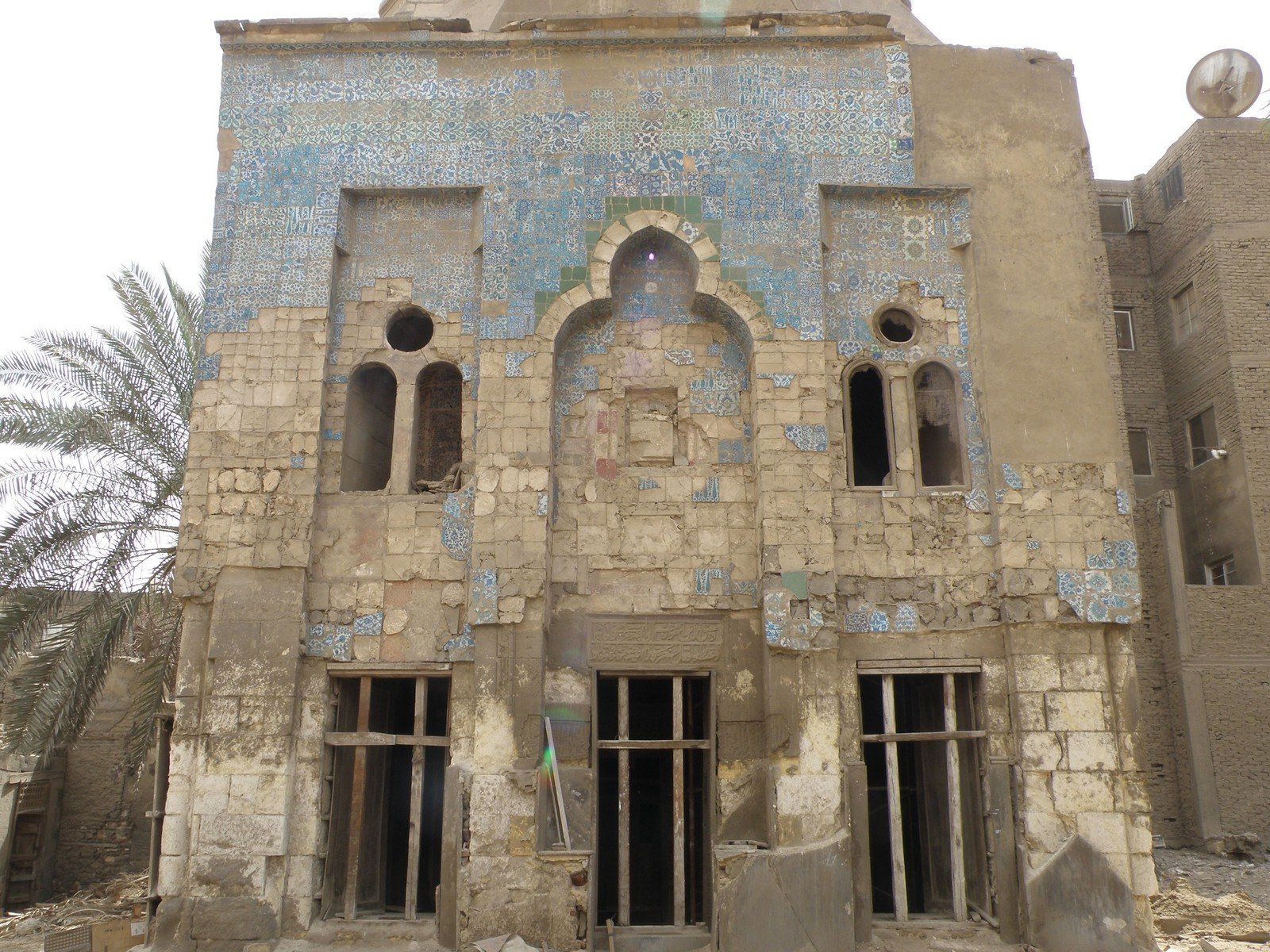
A new study from the World Monuments Fund has reframed how the preservation sector understands risk to cultural heritage. According to the research, a lack of government resources is now seen as more damaging to cultural sites than climate change.
A Shift in Perceived Risk
The finding places financial capacity at the centre of the heritage conversation. Where environmental pressures have dominated recent debate, the study's respondents point instead to the consequences of underfunded public stewardship.
The distinction matters for institutions and owners alike. A changing climate is often treated as an external and diffuse threat. Inadequate public funding, by contrast, is a structural condition that can affect maintenance, staffing, documentation and emergency response at sites that depend on state support.
The World Monuments Fund study identifies inadequate public funding as a more damaging threat to cultural sites than climate change.
Why It Resonates Beyond the Sector
For collectors, foundations and family offices engaged with heritage, the study's emphasis on public resources arrives at a moment when private capital is increasingly asked to fill gaps. That dynamic raises practical questions about how preservation is financed and who carries the cost.
It also signals a change in how the sector talks about vulnerability. Climate risk remains a recognised concern in the source material. The study does not dismiss it. Rather, it records that a shortage of government resources is now ranked as the more damaging factor.
The World Monuments Fund's work has long focused attention on sites under pressure. This study extends that mission into the financial architecture of preservation, where budgets and political will determine what survives.
An Evidence-Based Signal
The report offers a clear headline finding rather than a set of prescriptions. That restraint is itself notable. It leaves the interpretation to institutions, funders and policymakers who must weigh competing demands on limited public money.
For the art and heritage economy, the implication is straightforward. The condition of cultural sites is tied not only to weather and time but to the reliability of state funding. Where that funding weakens, the risk to monuments rises accordingly.
The study adds a financial dimension to a debate often framed around physical decay. It suggests that the most consequential threat to world heritage may be the one written into budgets rather than into the atmosphere.
What the Finding Does Not Say
The source material does not quantify the funding shortfall, identify specific sites, or rank countries by risk. Nor does it propose remedies. Those omissions should temper any attempt to draw investment conclusions from the study alone.
What it does provide is a documented shift in expert perception, from the World Monuments Fund, a body whose assessments carry weight in conservation and philanthropy. That alone makes it relevant to anyone tracking the intersection of culture, public finance and private giving.