Comparable Sales
Same-artist public sales ranked by medium, creation year, dimensions and sale recency.
No public-rights comparable sales meet the current evidence criteria. RELICT does not fill the table with research-only or licensed-only facts.
Observed sale facts, comparable evidence, artist index history and modeled research remain separate.
Same-artist public sales ranked by medium, creation year, dimensions and sale recency.
Art and Stories from Mughal India. The Cleveland Museum of Art, Cleveland, OH (organizer) (July 31-October 23, 2016). Main Asian Rotation (Gallery 245); January 5, 2015 - April 27, 2015. The Cleveland Museum of Art (7/31/2016-10/23/2016); Art and Stories from Mughal India, cat. 52, p. 99.
Unknown artist · 1600
Unknown artist · 1600
Unknown artist · 1600
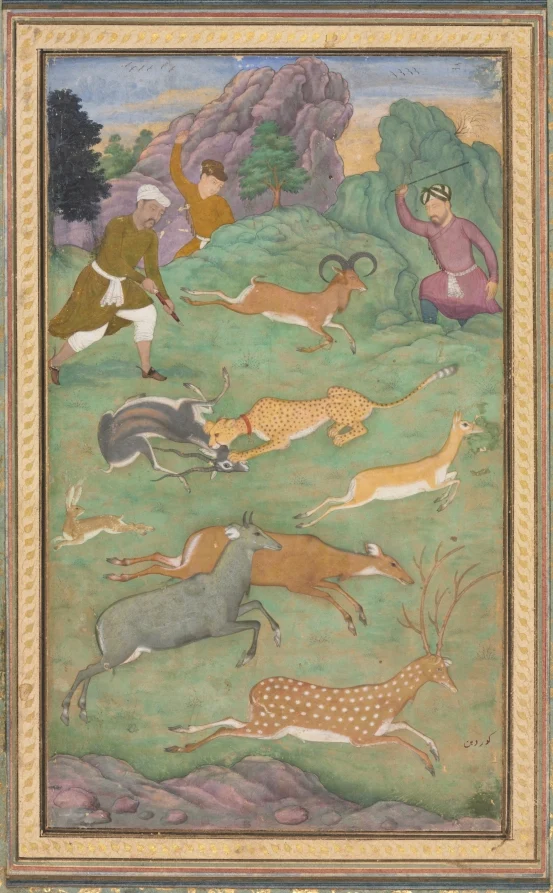
Govardhan (Indian, active c.1596–1645) · 1602
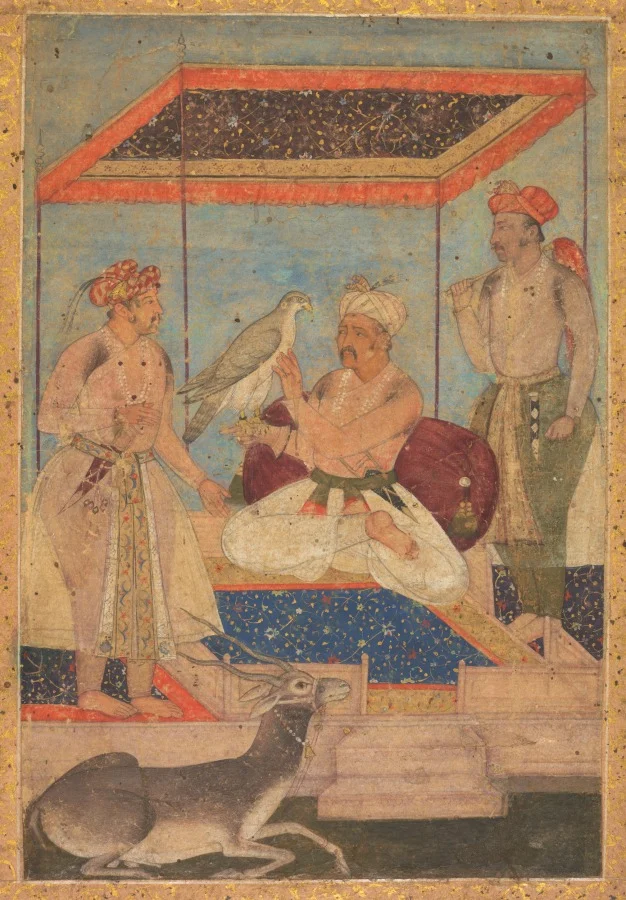
Unknown artist · 1597
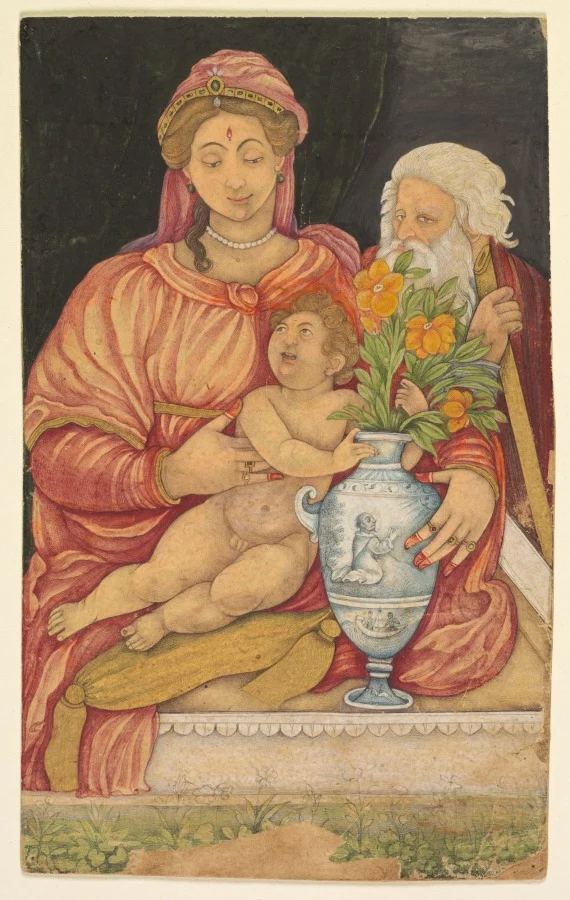
This painting of Joseph, the Virgin Mary, and the infant Jesus is based on European sources, but it also contains several details that are specifically Indian. For example, although Mary is dressed in classical European-style robes, she is adorned with jewelry of rubies and emeralds, the preferred gems of Mughal royalty. Her fingertips are also red with henna, and she wears a bindi on her forehead. The detailed rendering of the vase evokes the Catholic St. Francis as well as Indian worship of the sun. The vessel itself points to the appreciation of Chinese blue-and-white ware imported from imperial Ming-dynasty kilns to the court of Jahangir (reigned 1605–27).
0 observed sales · 0 comparable sales · 0 structured provenance events · 1 structured exhibitions.