Comparable Sales
Same-artist public sales ranked by medium, creation year, dimensions and sale recency.
No public-rights comparable sales meet the current evidence criteria. RELICT does not fill the table with research-only or licensed-only facts.
Observed sale facts, comparable evidence, artist index history and modeled research remain separate.
Same-artist public sales ranked by medium, creation year, dimensions and sale recency.
(Ananda K. Coomaraswamy [1877–1947] sold to the Cleveland Museum of Art)
The Cleveland Museum of Art, Cleveland, OH
(Ananda K. Coomaraswamy [1877–1947] sold to the Cleveland Museum of Art) The Cleveland Museum of Art, Cleveland, OH
Islamic Art. The Cleveland Museum of Art, Cleveland, OH (organizer) (November 3, 1944-February 2, 1945). Art and Stories from Mughal India. The Cleveland Museum of Art, Cleveland, OH (organizer) (July 31-October 23, 2016). Carpets and Canopies in Mughal India (Indian art rotation). The Cleveland Museum of Art, Cleveland, OH (organizer) (March 22-September 8, 2024).
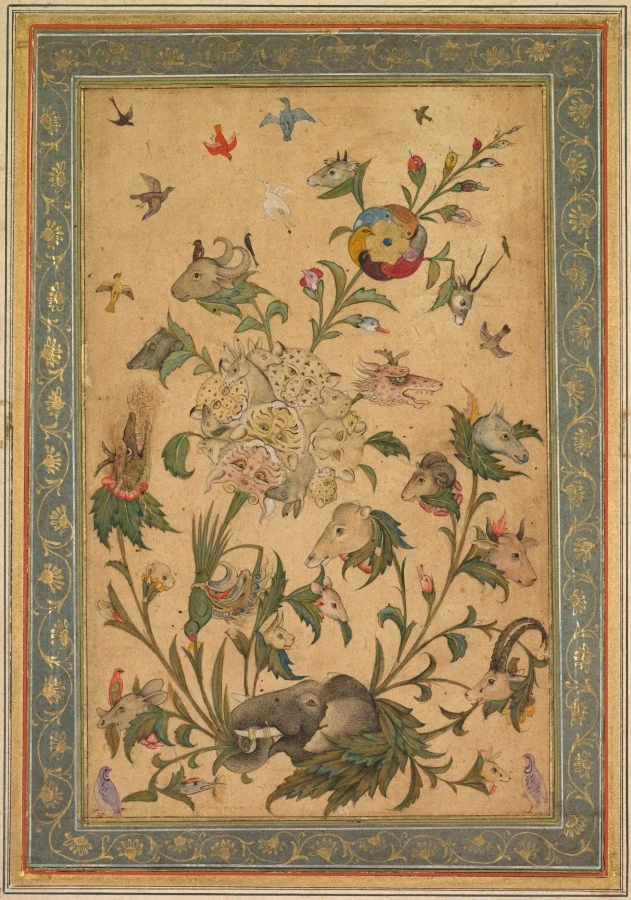
Unknown artist · 1600
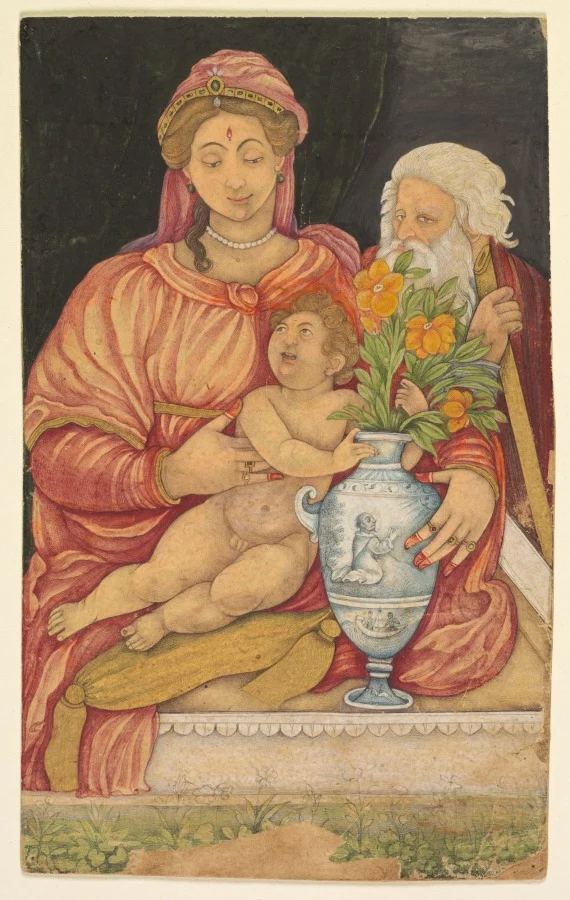
Unknown artist · 1600
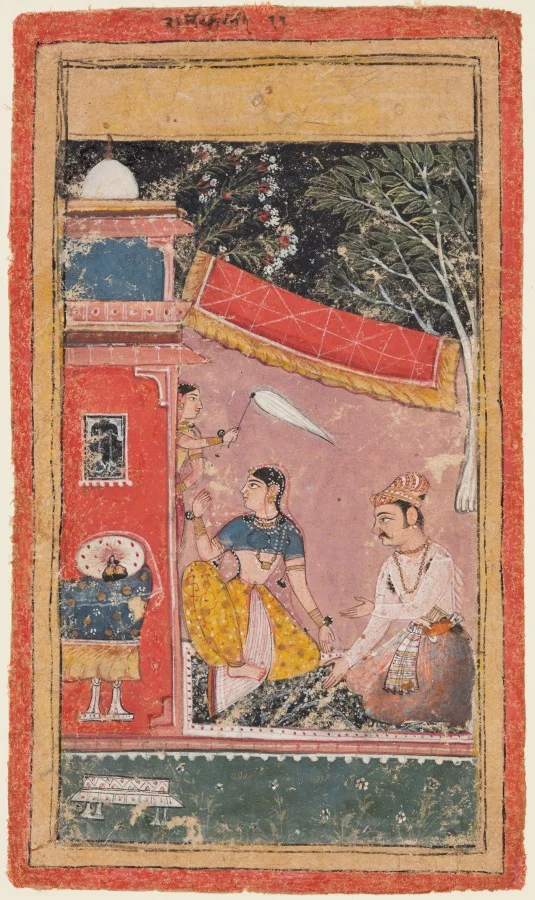
Unknown artist · 1600
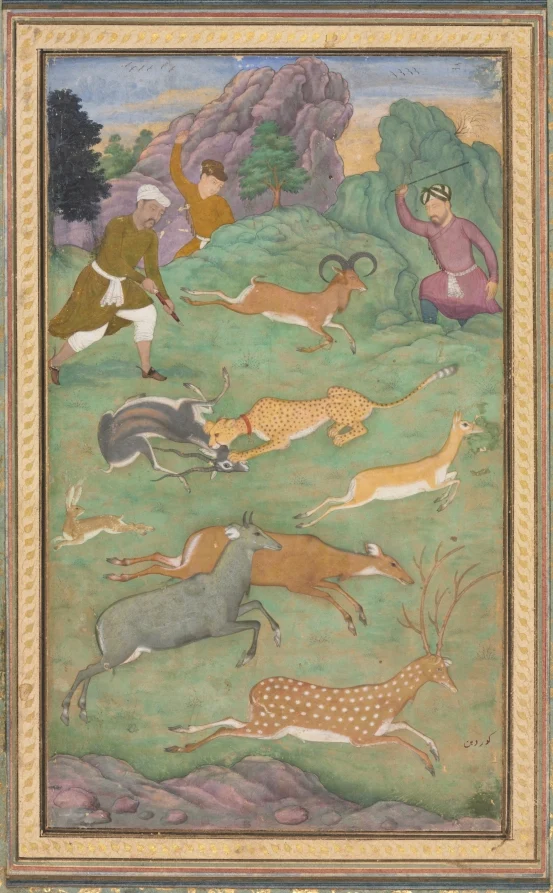
Govardhan (Indian, active c.1596–1645) · 1602
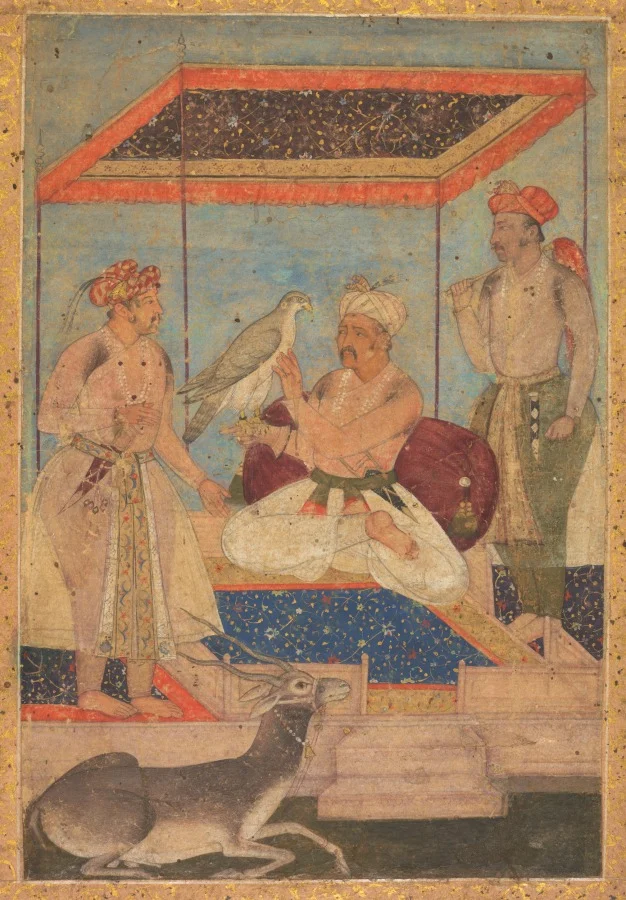
Unknown artist · 1597
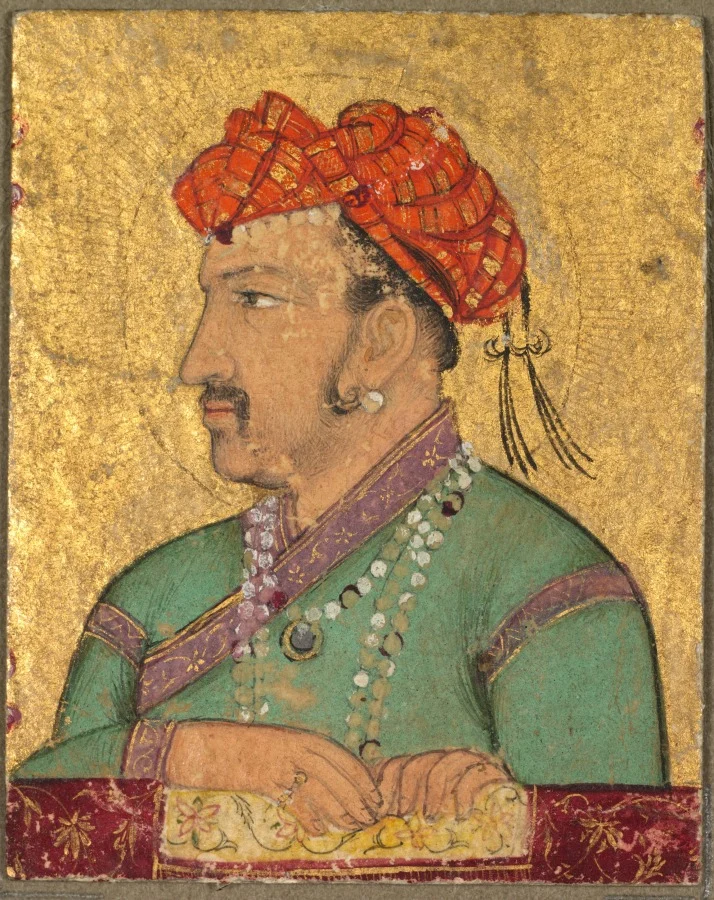
The fourth Mughal emperor of India, Jahangir, had tiny portraits of himself made to give as gifts to his friends, family, and nobles of the court as a sign of royal favor. These portraits were mounted and worn as jewels or turban ornaments. The carpet or textile under his hands references the covered rail of a balcony where the emperor addressed the public three times a day to hear complaints or petitions.
0 observed sales · 0 comparable sales · 2 structured provenance events · 3 structured exhibitions.