可比销售
同一艺术家的公开销售,按媒介、创作年份、尺寸和销售新近程度排序。
没有具有公开使用权的可比销售符合当前证据标准。RELICT 不会用仅供研究或仅限许可访问的数据填充表格。
实际销售事实、可比证据、艺术家指数历史与模型研究保持分开。
同一艺术家的公开销售,按媒介、创作年份、尺寸和销售新近程度排序。
Dr. John [1921–2011] and Maxeen Stone Flower [1928–2010], Shaker Heights, OH, bequest to the Clevela...
The Cleveland Museum of Art, Cleveland, OH
Dr. John [1921–2011] and Maxeen Stone Flower [1928–2010], Shaker Heights, OH, bequest to the Cleveland Museum of Art The Cleveland Museum of Art, Cleveland, OH
Gods, Kings and Tigers: The Art of Kotah. The Asia Society Museum (April 24-July 27, 1997). Main Asian Rotation (Gallery 245). The Cleveland Museum of Art, Cleveland, OH (July 2, 2014-January 5, 2015).

艺术家 · 1825
艺术家 · 1760
Jai Ram (Indian, active 1710–40) · 1736
艺术家 · 1720
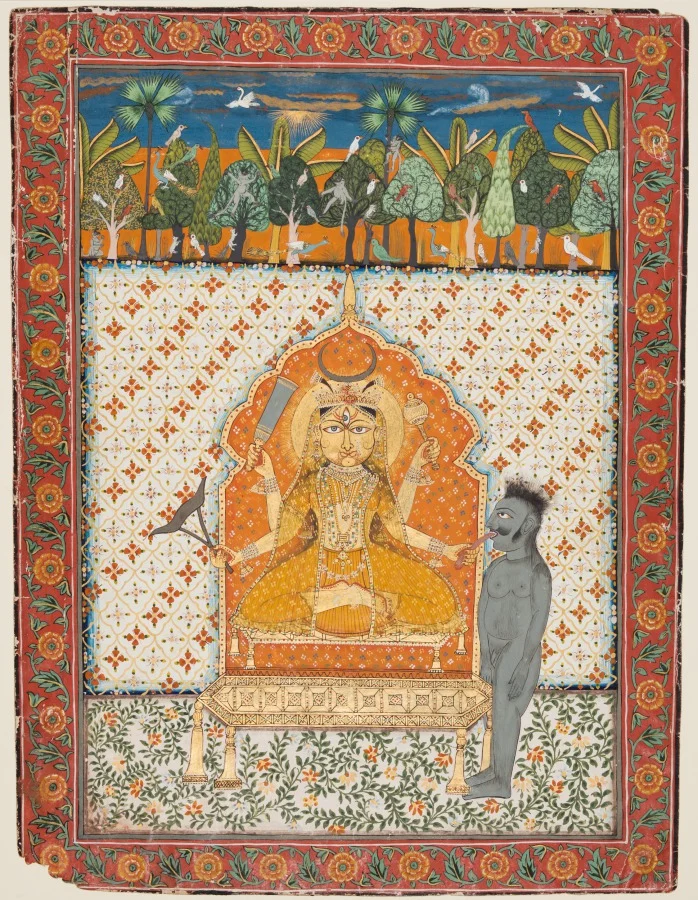
艺术家 · 1715
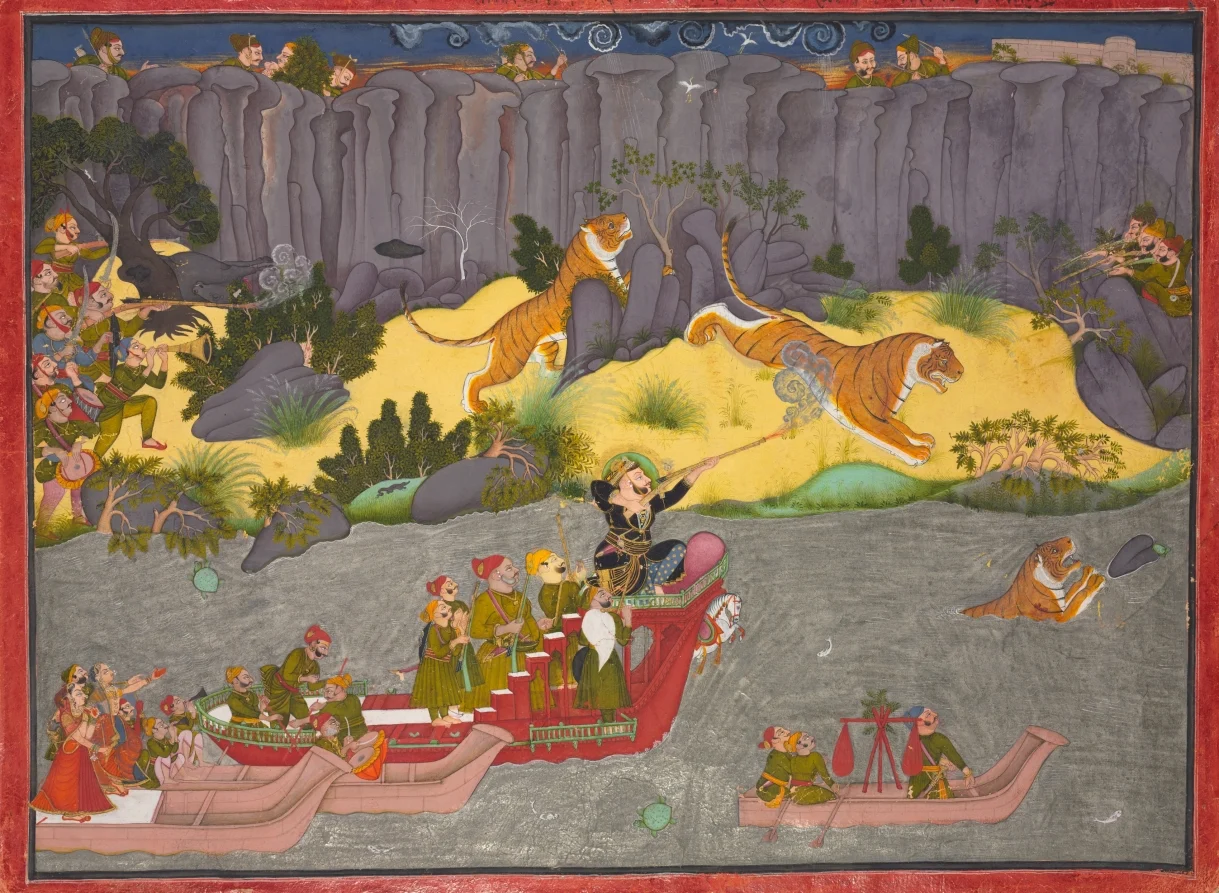
With the dramatic cliffs of Kotah as the backdrop, one massive tiger is shown at three rapidly successive moments in time. Having been lured out of the forest by the dead bull at the upper left, the king’s men drive the tiger to the riverbanks with drums, trumpets, arrows, and muskets. The king himself, Ram Singh II who ruled the small kingdom of Kotah from 1827 until 1866, is shown in the act of delivering the fatal shot from the prow of a boat, as the ladies and nobles of the court look on in admiration. The tiger sinks into the river, from where he will be retrieved and offered with all honor and ceremony to a religious leader who will see to it that the shakti, or divine creative energies embodied by the tiger, be translated into blessings and prosperity for the kingdom. This example of a ritual tiger hunt belongs to a genre known as Rajput painting, made at the courts of kingdoms in Rajasthan that were under the aegis of the Mughal empire. The establishment of court painting workshops in the Rajput kingdoms was inspired by the imperial Mughal model, but each court developed its own distinctive style.
观察到的销售: 0 · 可比销售: 0 · 来源与流传记录: 2 · 展览: 1.