可比销售
同一艺术家的公开销售,按媒介、创作年份、尺寸和销售新近程度排序。
没有具有公开使用权的可比销售符合当前证据标准。RELICT 不会用仅供研究或仅限许可访问的数据填充表格。

实际销售事实、可比证据、艺术家指数历史与模型研究保持分开。
同一艺术家的公开销售,按媒介、创作年份、尺寸和销售新近程度排序。
(Sander L. Feldman, Washington, DC, sold to the Cleveland Museum of Art)
The Cleveland Museum of Art, Cleveland, OH
(Sander L. Feldman, Washington, DC, sold to the Cleveland Museum of Art) The Cleveland Museum of Art, Cleveland, OH
Indian Gallery 242b Rotation – November 2016. The Cleveland Museum of Art (organizer) (November 7, 2016-April 10, 2017). Life and Exploits of Krishna in Indian Paintings. The Cleveland Museum of Art, Cleveland, OH (organizer) (September 1, 2021-February 6, 2022).

艺术家 · 1427

艺术家 · 1427

艺术家 · 1427
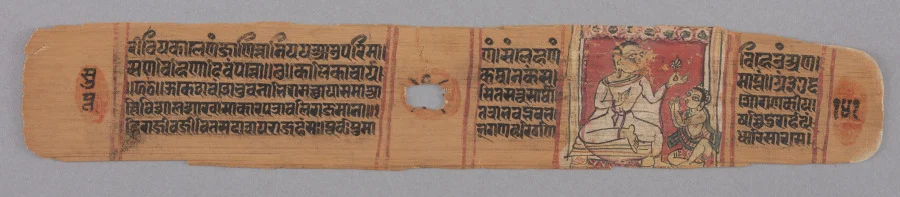
Devachandra (Indian) · 1286
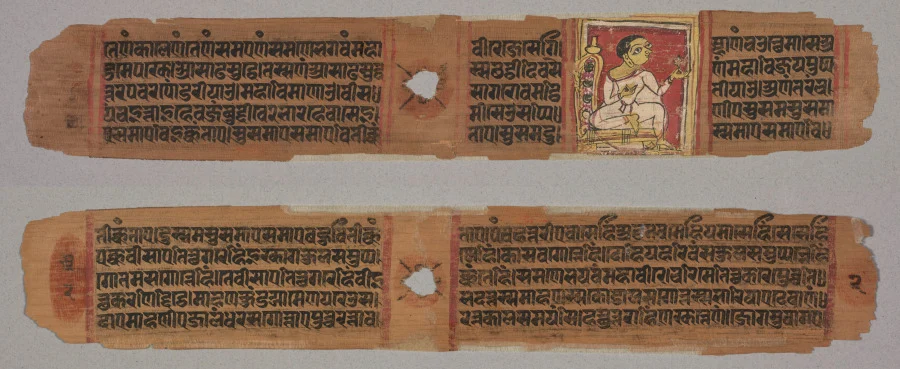
艺术家 · 1286
The author of the text, Hemachandra (1088–1173) is seated at the left, on a throne. He was a Jain monk, here shown clad in a white robe, with shaven head, holding a cloth before his mouth to screen out any insects he might inadvertently harm by swallowing. Also an attribute of Jain ascetics, who adhere to principles of committing no harm to any living being, is the broom behind his back, used to sweep insects from the path. He wrote this text in 1160, illustrating points of grammar with praiseworthy deeds of his royal patrons, such as King Kumarapala (reigned 1143–1172) of the Solanki dynasty (940–1244) of western India who sits before him.
观察到的销售: 0 · 可比销售: 0 · 来源与流传记录: 2 · 展览: 2.