Сопоставимые продажи
Публичные продажи этого же художника, ранжированные по технике, году создания, размерам и давности продажи.
Факты наблюдаемых продаж, сопоставимые доказательства, история индекса художника и модельные исследования остаются отдельными категориями.
Публичные продажи этого же художника, ранжированные по технике, году создания, размерам и давности продажи.
The Cleveland Museum of Art, Cleveland, OH
Year in Review for 1984. The Cleveland Museum of Art, Cleveland, OH (organizer) (April 3-May 5, 1985). Dance of the Gods: Indian Art Inspired by Music. The Cleveland Museum of Art, Cleveland, OH (organizer) (September 24-December 8, 1996). Highlights of Asian Paintings from The Cleveland Museum of Art. Nara National Museum (organizer) (February 21-March 29, 1998); Suntory Museum of Art (April 28-June 21, 1998). Indian Miniature Rotation (Gallery 115). The Cleveland Museum of Art, Cleveland, OH (February 4–August 5, 2003). Indian Miniature Rotation (Gallery 115). The Cleveland Museum of Art, Cleveland, OH (February 20–August 18, 2004). Main Asian Rotation (Gallery 245). The Cleveland Museum of Art, Cleveland, OH (January 5–April 27, 2015).

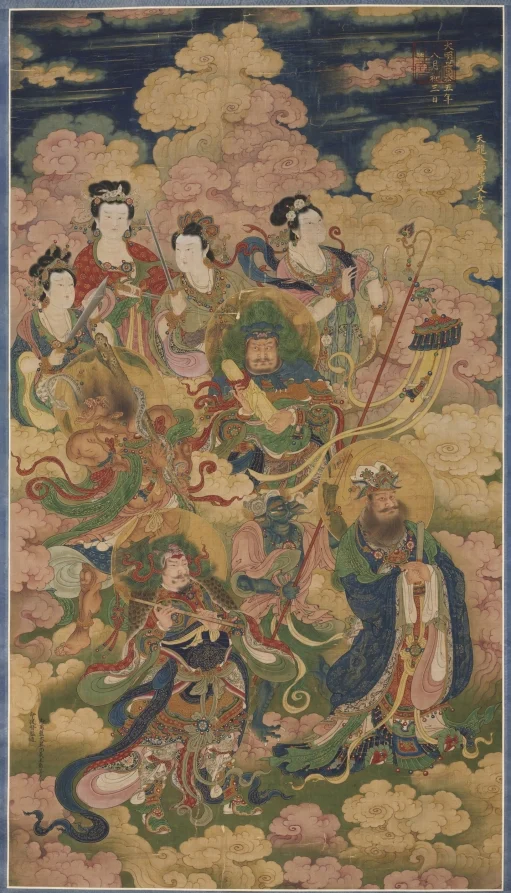
Художник · 1454

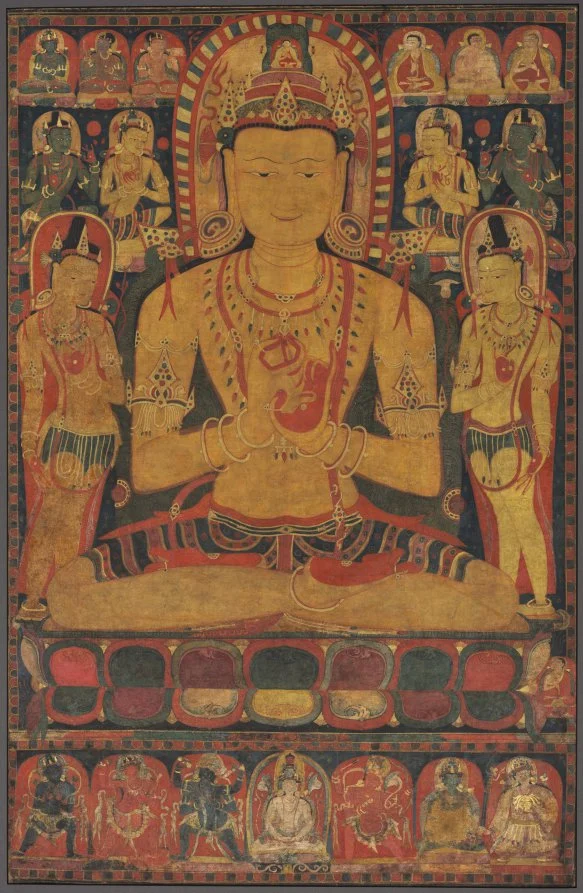
Художник · 1150

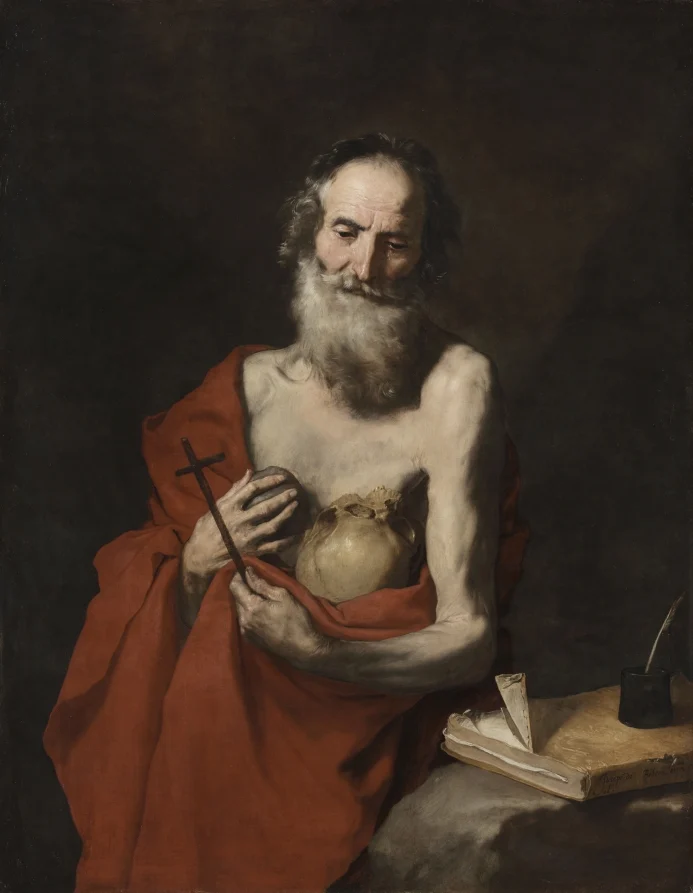
Jusepe de Ribera (Spanish, 1591–1652) · 1638

Dharam Das (Indian, active c. 1580–1605) · 1600

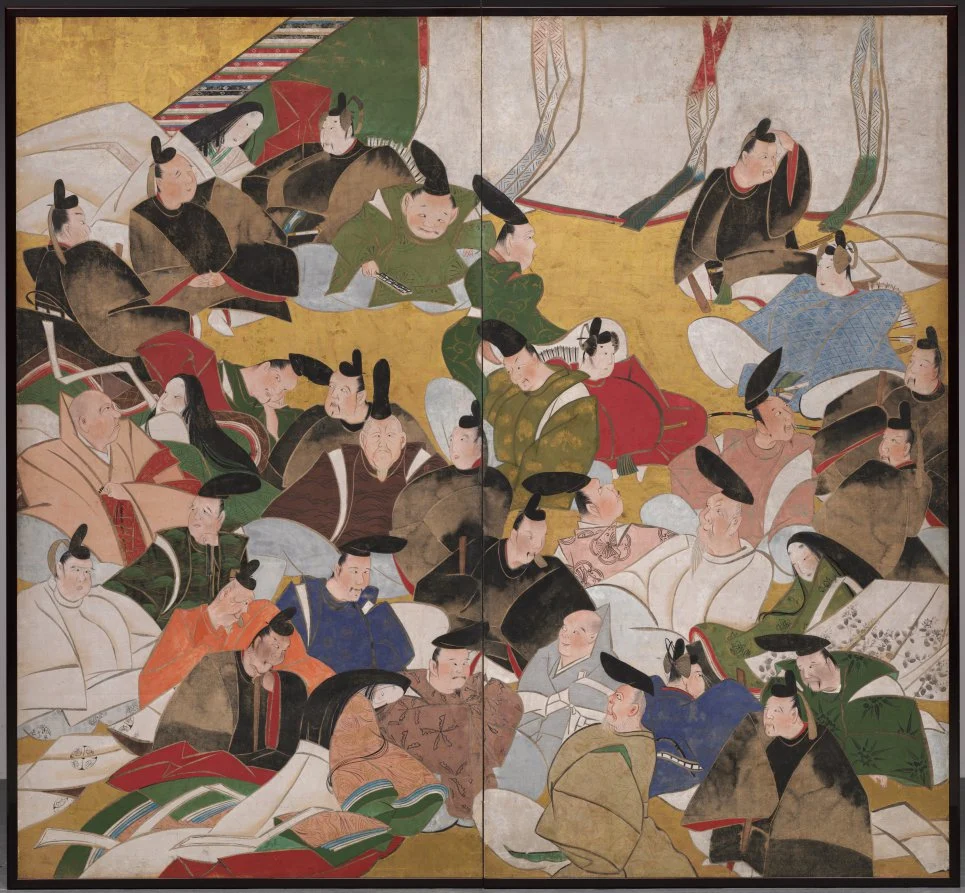
Tatebayashi Kagei (Japanese, active mid-1700s) · 1735
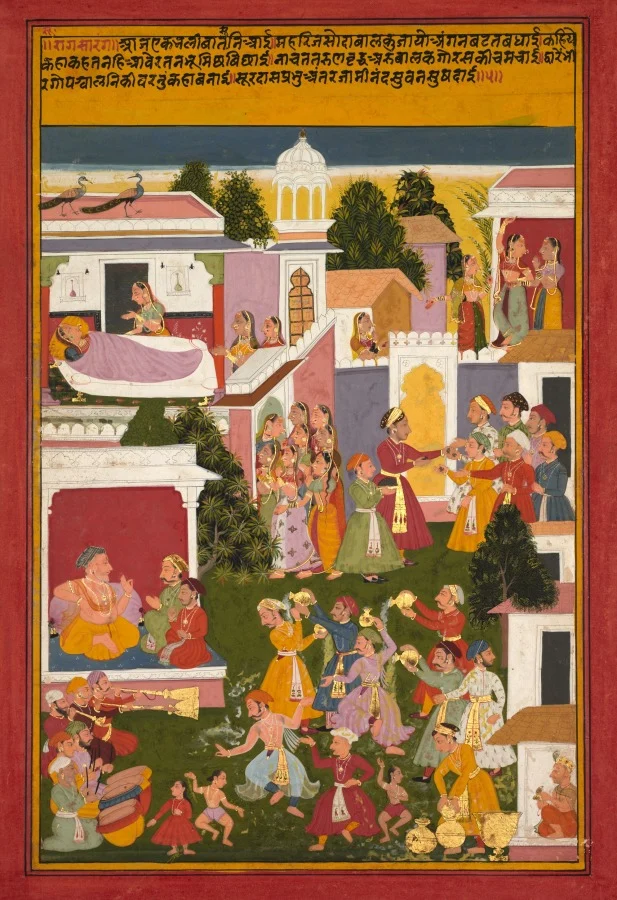
The blind poet and Hindu saint Surdas (1578/79–c. 1581), a devotee of Krishna, is shown in the hut at the lower right corner playing cymbals to measure meter as he recites his poem, called <em>Sursagar</em>. Verse 5 is written at the top of the page, and the scenes of festivities surrounding the arrival of the newborn Krishna are depicted throughout the rest of the painting. His adoptive mother Yashoda lies with the infant in the chamber at the upper left. His dark skin led to his being named Krishna, meaning dark, and shown as blue. Women clamor at her door to see the baby, as the men of the village receive silver coins being distributed on behalf of Nanda, the village elder and Krishna’s adoptive father, who is seated at the left receiving two well-wishers. Below, men and children of the cowherd village celebrate by pouring pots of curds and ghee over each other and dancing to the sounds of horns and drums.
Наблюдаемые продажи: 0 · Сопоставимые продажи: 0 · Происхождение: 1 · Выставки: 3.