Mavis Pusey Survey Moves to the Hammer Museum in Los Angeles
The Jamaica-born abstractionist's first major survey, previously shown at Philadelphia's Institute of Contemporary Art, arrives at the Hammer Museum in Los Angeles.
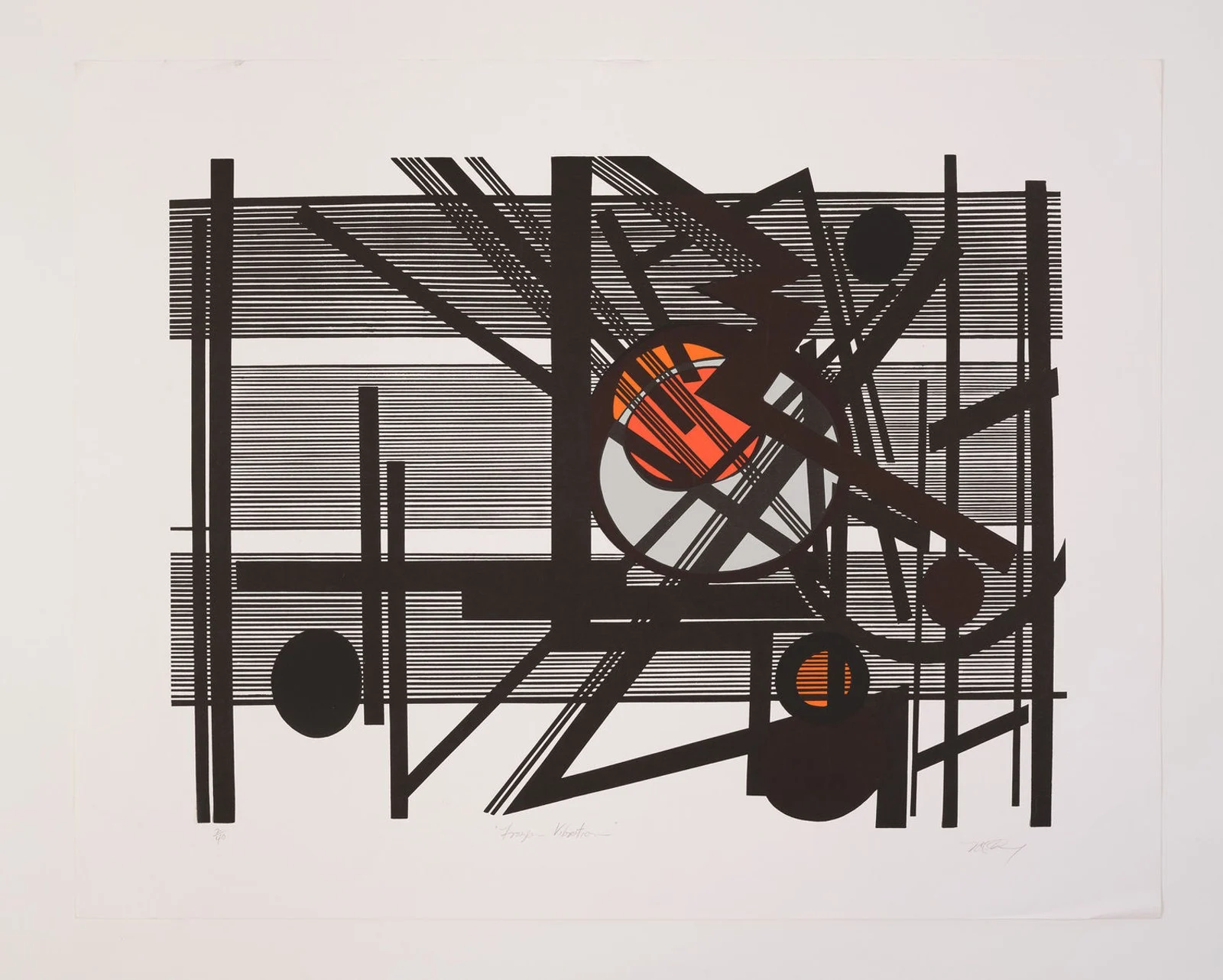
A First Major Survey Travels West
The work of Mavis Pusey, a Jamaica-born abstractionist, is the subject of a survey exhibition now on view at the Hammer Museum in Los Angeles.
The show is described as the artist's first major survey. It previously opened at Philadelphia's Institute of Contemporary Art last year before moving to the Hammer.
Reassembling a Vanished Body of Work
The exhibition is framed around the recovery of a dispersed practice. The source material characterises Pusey's output as a "vanished work" brought together for the occasion.
The survey represents the first major gathering of Mavis Pusey's work, assembled for an exhibition that has moved from Philadelphia's Institute of Contemporary Art to the Hammer Museum.
What the Material Establishes
The available facts are narrow and specific. Pusey was born in Jamaica. Her practice is described as abstraction. She has not, until this project, been the subject of a major survey. The exhibition originated at the Institute of Contemporary Art in Philadelphia and has now travelled to the Hammer Museum in Los Angeles.
The source does not supply dates for the Hammer presentation, a full checklist, lenders, catalogue details, attendance figures or any market data. Nor does it give a count of works, a curatorial rationale beyond the survey framing, or a list of participating institutions beyond the two named.
Why Institutional Attention Matters
For readers tracking the art market, the relevant signal is institutional rather than financial. A first major survey at a named museum, with a prior stop at a recognised contemporary art institute, is the kind of programming that shapes how a historically under-examined body of work enters broader curatorial and collecting conversations. Pusey's biography as a Jamaica-born abstractionist positions the project within ongoing institutional efforts to revisit artists whose output has been dispersed rather than continuously exhibited.
The Limits of the Record
What the material does not do is quantify. There is no information here about the scale of the show, the condition or location of individual works, or how the pieces were traced and reassembled. The phrase "vanished work" indicates dispersal or loss of visibility, but the mechanism of recovery is not described.
Readers should treat the exhibition as an institutional event with a clear provenance in the source: a Philadelphia opening last year, a Los Angeles presentation now. Anything beyond that is not supported by the supplied text.
A Two-City Trajectory
The exhibition's path from the Institute of Contemporary Art in Philadelphia to the Hammer Museum places Pusey's abstraction within two distinct institutional contexts on opposite coasts. That travel alone constitutes the substantive news available: a first major survey, now in Los Angeles, of an artist born in Jamaica whose work the source describes as vanished.