Frieze's Kristell Chadé on London, South Asia and the Fair's Global Growth
Frieze London and Frieze Masters return to Regent's Park with 176 galleries from 43 countries, up from 160 last year. Executive director Kristell Chadé explains the fair's global strategy and its South Asia push.
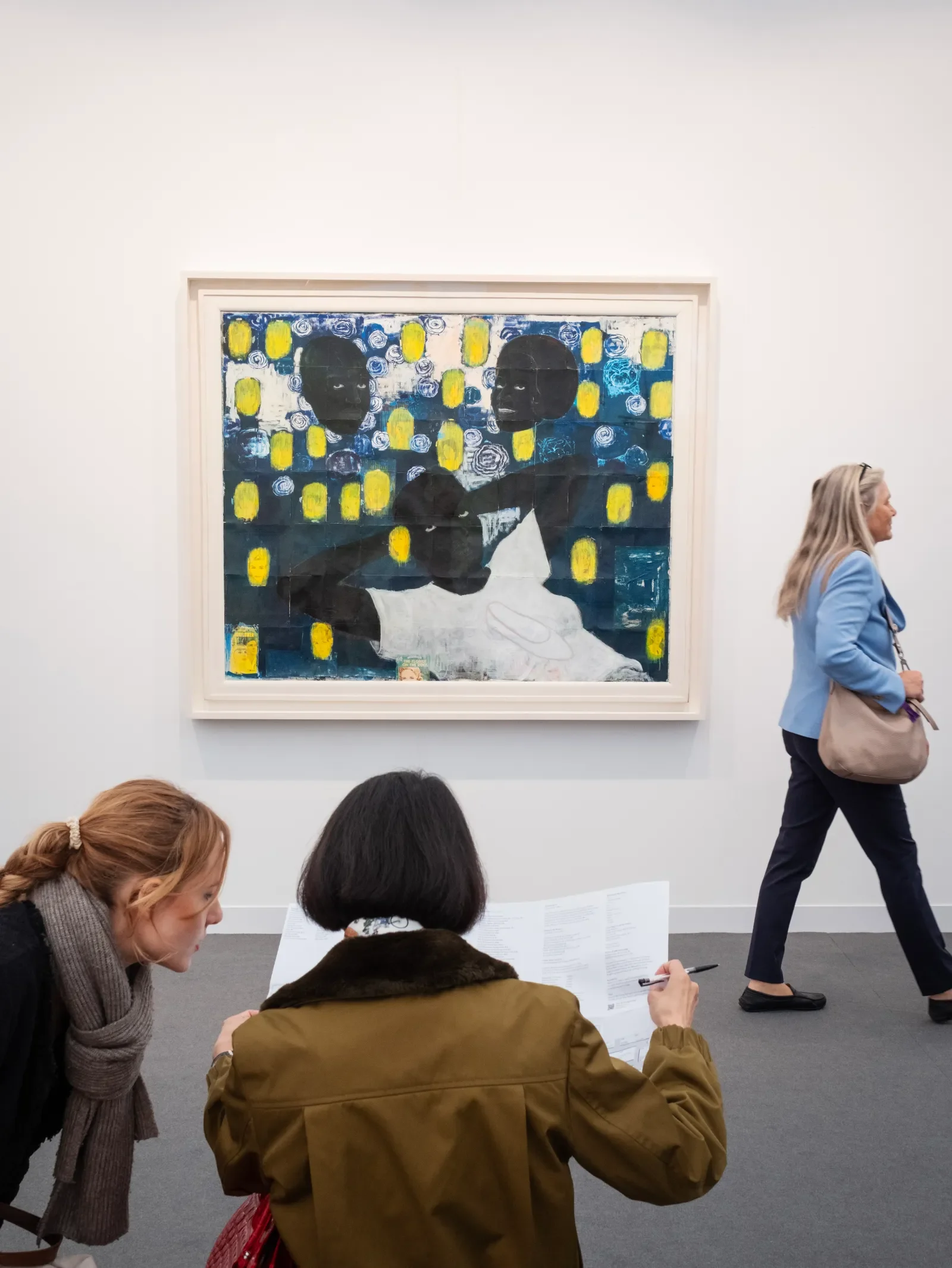
Frieze London and Frieze Masters open this week in Regent's Park with 176 galleries from 43 countries, up from 160 galleries across 44 countries in 2025. The expansion arrives against a familiar competitive backdrop: Art Basel Paris follows next week, and some dealers and collectors are expected to skip London in favor of the French capital.
'Global Does Not Mean Uniform'
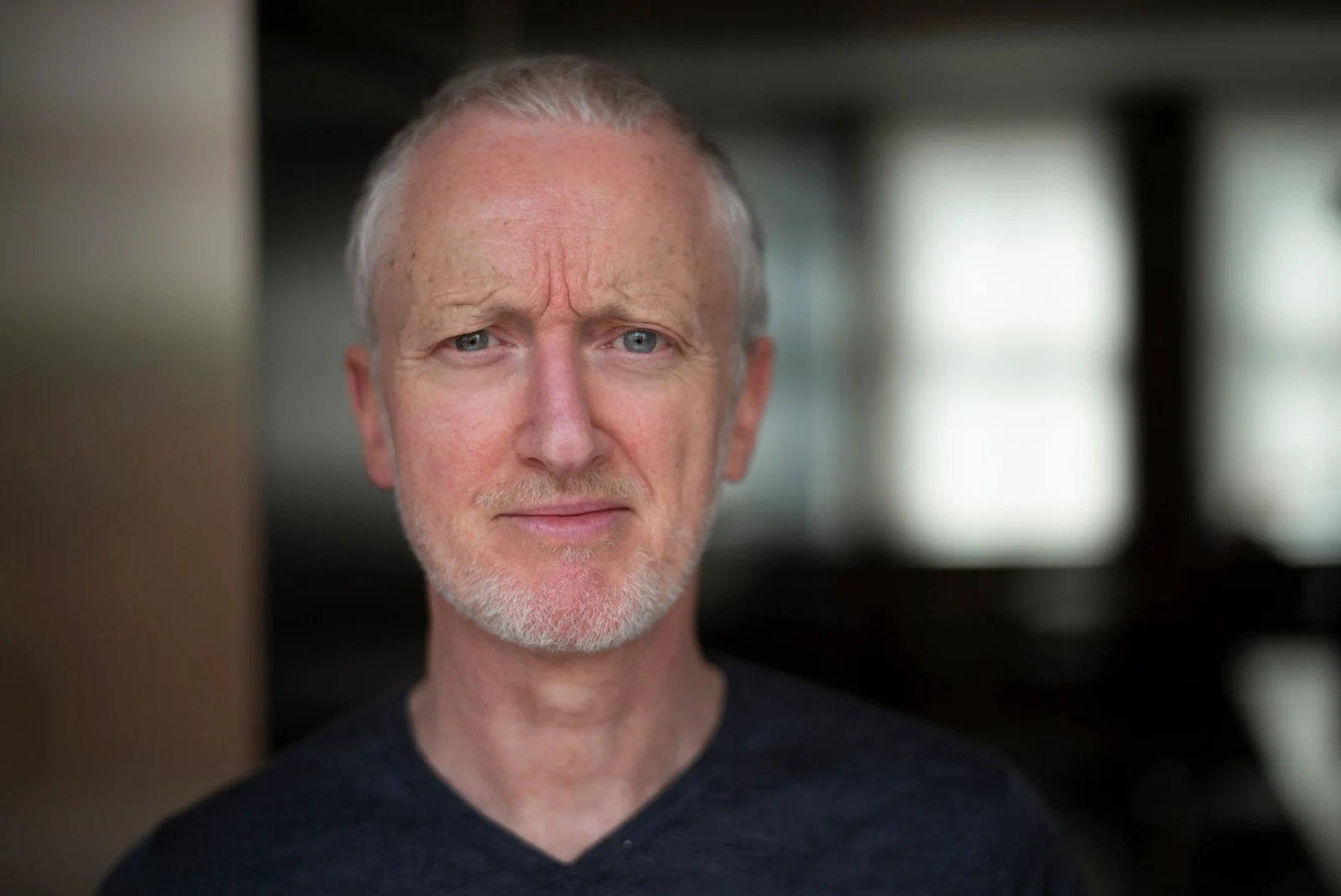
Kristell Chadé, Frieze's executive director of fairs, who has spent 15 years at the organization and now oversees eight fairs, frames the group's approach as deliberately decentralized. In an interview with ARTnews, she said “Global does not by any means mean uniform and we don’t export a fixed concept to the other fairs.”
Each edition, she suggests, is calibrated to its own art ecosystem and cultural moment rather than to a single template.
South Asia and Brazil Momentum
The most visible shift this year is an increased presence from South Asia. Frieze London welcomes its first Sri Lankan participant, Saskia Fernando, and Chadé noted that South Asian representation will extend to Frieze Abu Dhabi next month. Brazil also features strongly, supported by the Frieze Curator Travel Grant run with the Instituto Guimarães Rosa and the Embassy of Brazil in London, which offers five Brazil-based curators the chance to attend the fair. South Korea, the Gulf and North Africa remain significant regions of focus.
That geographic breadth is now a core metric for the organization. Chadé describes the range of geographies and perspectives encountered at the fair as "a real indicator of success" that Frieze tracks and tries to widen year after year.
With 176 galleries from 43 countries, this edition is larger than last year's fair, even as Art Basel Paris follows a week later.
Acquisition Funds and Career Support
Frieze is candid about functioning as a commercial platform, yet its mandate extends beyond selling. The London and Masters editions operate acquisition funds designed to help museums buy works directly from the fair, including the Tate Fund and the new Dasha Shenkman Focus Fund. Artist-focused recognition such as the Frieze Artist Award and the Camden Art Centre Emerging Artist Award also give exhibiting artists a career springboard. Chadé frames the objective as converting visibility at the fair into long-term support for the art community.
Listening to Galleries Under Pressure
If there is a defining challenge, it is the financial strain on galleries. "We know costs have gone up across the board," Chadé said, noting the particular pressure on mid-sized and younger galleries as they weigh where to show and what to bring. Frieze's response has been operational: annual price increases kept minimal, and flat year-on-year pricing where possible. A sliding-scale pricing model introduced in 2024 is intended to help galleries move from the Focus section into the main fair.
Varying Fairs by Character
Chadé's description of the portfolio is differentiated rather than uniform. London carries a "trailblazing" energy, New York is positioned as the epicenter of the global art market, Los Angeles is characterized by civic engagement, Seoul balances tradition and cutting-edge practice, and Chicago is rooted in its midwestern community. Abu Dhabi, she said, builds on the Emirate's existing cultural ecosystem on Saadiyat Island, which includes the Louvre Abu Dhabi, the Zayed National Museum, the Natural History Museum Abu Dhabi and the Guggenheim Abu Dhabi, opening in December. The upcoming fair will include a Focus section for younger galleries, a Frieze Masters presentation curated by Marika Sardar around Indian Ocean cultural exchanges, and Global Futures curated by Tarini Malik focusing on regional cultural histories.
A Wider Market Context
Chadé referenced the 2026 Art Basel and UBS Global Art Market Report finding that the UK remains the world's second-largest art market by value behind the US, despite Brexit's aftermath, the pandemic and seven prime ministers in a decade. She said the fair is in close contact with galleries and collectors around the situation in the Middle East, emphasizing that Abu Dhabi represents an existing infrastructure with an engaged collector and gallery community. "We have a full fair," she said, adding that a degree of flexibility on the gallery list is normal for any edition.