Kennedy Center Names Rick Canny as Artistic Director
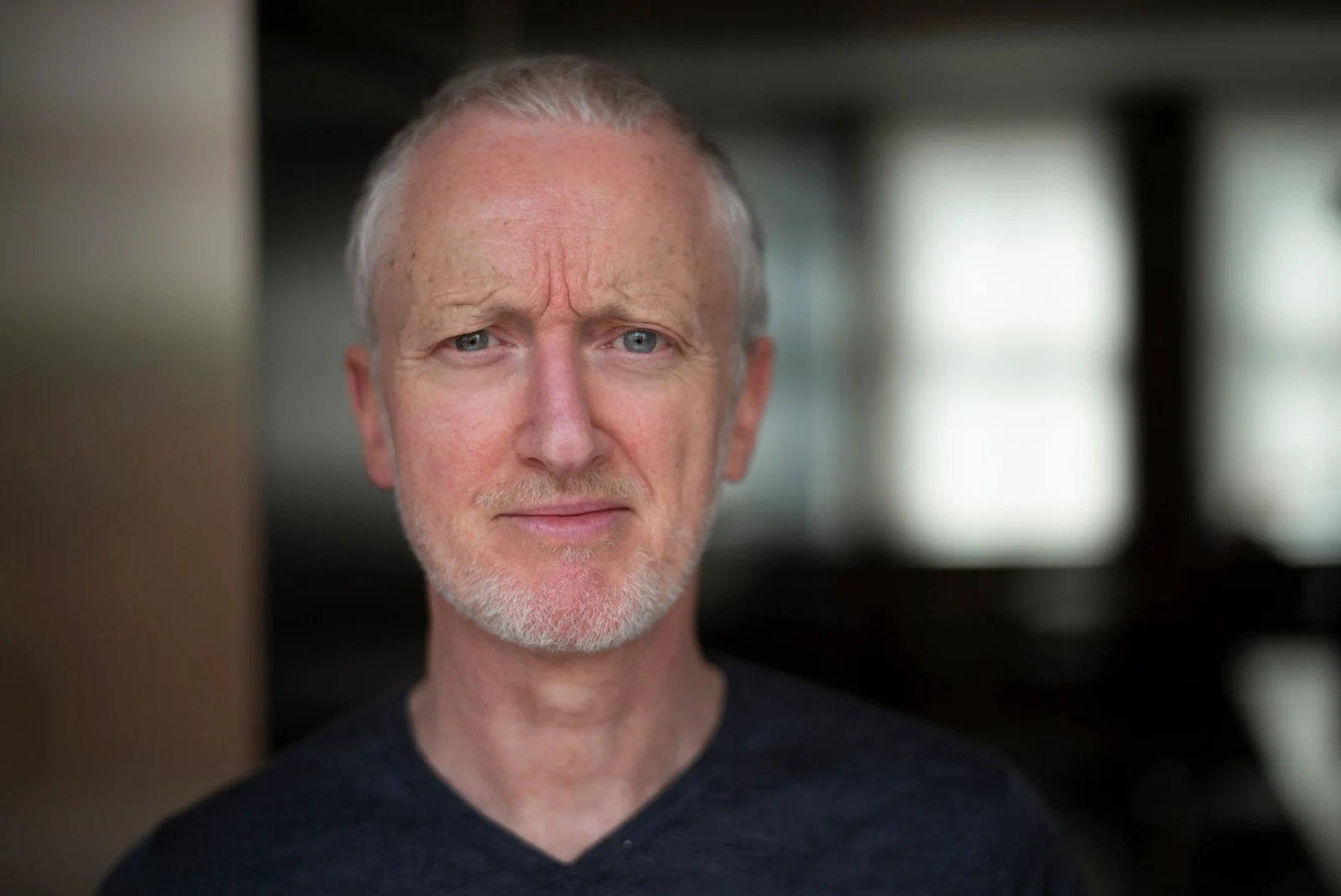
The John F. Kennedy Center for the Performing Arts has appointed Rick Canny, formerly an artist representative for rock acts, as its artistic director. He will oversee programming at the Washington, DC institution.
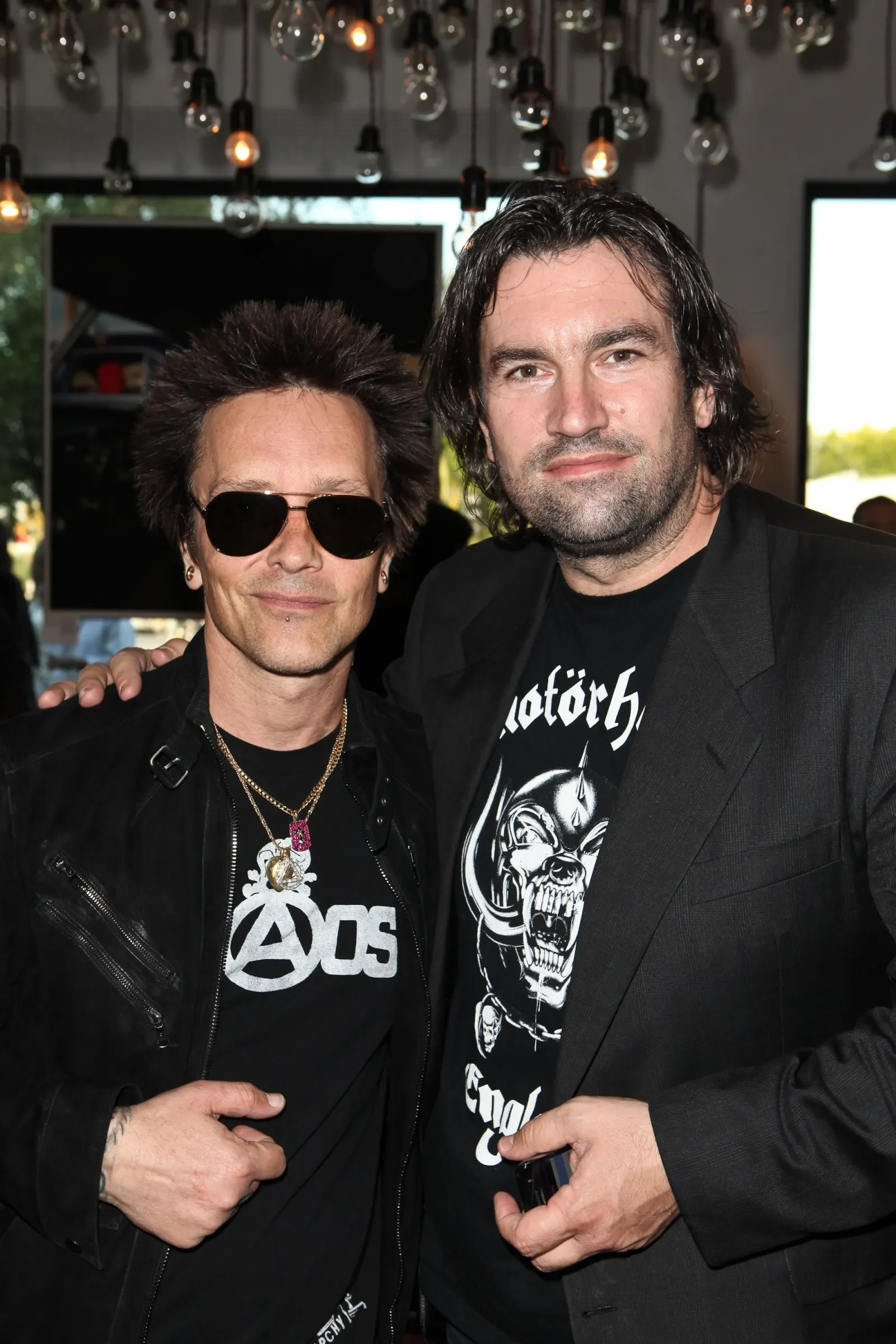
The John F. Kennedy Center for the Performing Arts in Washington, DC, has named Rick Canny as its artistic director, according to the New York Times. Canny will be responsible for programming at the institution.
A Background in Artist Representation
Canny comes to the role from a career as an artist representative. His roster of clients included the rock band Whitesnake and the group ZZ Top, along with Mötley Crüe drummer Tommy Lee and former Creed frontman Scott Stapp.
That background places him at the commercial and managerial end of the music business rather than in the traditional institutional or curatorial path that often leads to senior artistic posts. The appointment was reported by the New York Times and relayed by Artforum.
Rick Canny, whose career centered on representing rock acts, will now lead programming at the John F. Kennedy Center for the Performing Arts in Washington, DC.
Institutional Programming in Focus
The Kennedy Center is a major performing arts venue in the US capital. The artistic director role carries responsibility for what appears on its stages, making the appointment a consequential one for the institution's direction.
The report does not detail a start date, the scope of the programming remit beyond the general description, or the circumstances surrounding the selection. It also does not state who Canny succeeds or how the search was conducted.
Context of the Appointment
Canny's client list reflects work with commercially prominent rock and metal acts. Whitesnake, ZZ Top and Mötley Crüe are long-established names in the genre, while Scott Stapp is known as the former frontman of Creed.
The announcement arrives amid a period in which the Kennedy Center has drawn attention beyond the arts pages. The supplied report does not offer further particulars on the institution's current leadership structure, its programming plans under Canny, or how the appointment relates to any wider changes.
What Is Known and What Is Not
For now, the confirmed facts are limited: a named appointee, a named institution, a specific role, a location in Washington, DC, and a prior career representing a set of named musicians and bands. Details such as contract terms, budget authority or a timeline for announced programming are absent from the material.
That absence matters for anyone tracking the Center's future season planning or the relationship between commercial music management and institutional programming leadership. The appointment itself, however, is clear, and it places a figure from the representation side of the music industry inside one of the capital's flagship cultural institutions.