Handmade Future Documentary Examines Economic Pressures on Global Artisans
A new documentary, 'Handmade Future', explores economic and market challenges faced by traditional craftspeople across six countries.
Spotlight on Global Craft
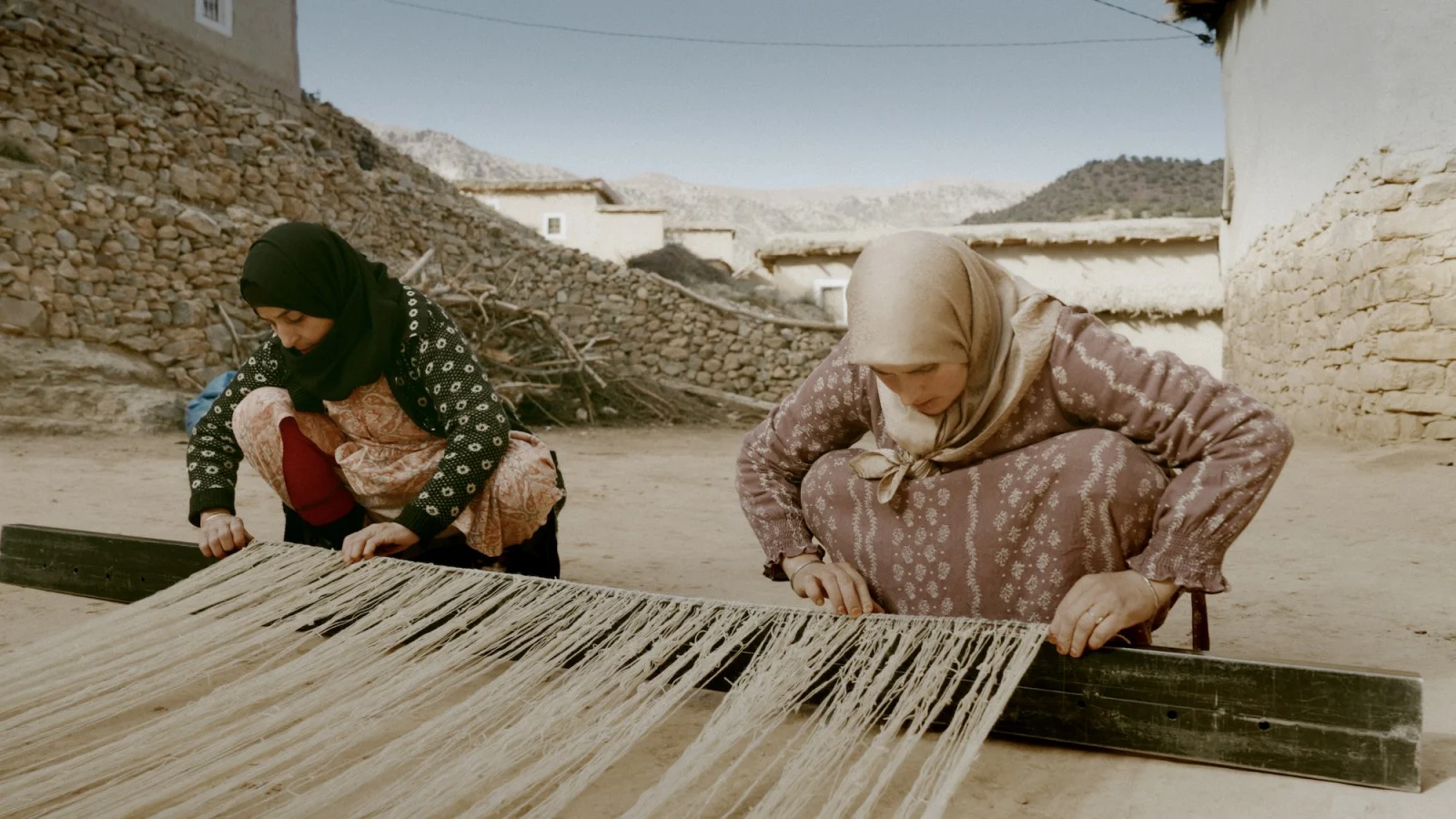
A new documentary titled 'Handmade Future' turns its lens on the world's traditional crafts, examining the economic and market pressures that artisans face today. The film spotlights craftspeople in six countries, offering a cross-border view of an industry often overshadowed by mass production.
The documentary's focus aligns with growing collector and institutional interest in craft as a category with cultural and financial weight. By foregrounding artisans' economic realities, it underscores the tension between heritage preservation and contemporary market demands.
The Economic Squeeze
For many artisans, the challenge is twofold: sustaining traditional techniques while navigating volatile demand and thin margins. The market for handmade goods, once driven by local patronage, now competes with globalized alternatives, forcing craftspeople to adapt or risk obsolescence.
While the film does not provide specific price data or auction comparables, its emphasis on economic pressures suggests a market where value is often undercut by scale. This dynamic is familiar to observers of the artisanal sector, where labor-intensive production rarely translates into proportional financial return.
A Market Relevance
The documentary arrives at a moment when craft is gaining traction in galleries and fairs, yet the sector remains fragmented. For collectors, the film offers a reminder that provenance and process matter as much as aesthetics, potentially influencing acquisition decisions.
For family offices and private banks advising art and collectible portfolios, the artisan economy represents a niche but culturally resonant asset class. The film's focus on six countries hints at a global supply chain where authenticity and scarcity can drive value, though the documentary stops short of quantifying that value.
The documentary underscores that craft's market health hinges on artisans' ability to navigate economic pressures without sacrificing heritage.
Preservation vs. Profit
'Hanmade Future' implicitly raises a question that resonates across the art world: can tradition survive modernity without compromising its soul? The film's narrative suggests that economic sustainability is essential to cultural preservation, a theme that institutional acquisitions and philanthropic initiatives increasingly embrace.
Museums and collectors may find in the documentary a case for supporting artisan communities through direct patronage or acquisitions, aligning with broader trends in ethical collecting. However, the film provides no specific guidance or examples, leaving the onus on viewers to draw conclusions.
A Window, Not a Verdict
As a documentary, 'Handmade Future' serves as a window into an often-invisible economic layer of the art world. It does not offer data or forecasts, but its subject matter is timely, reflecting a renewed appreciation for handmade objects in a digitized market.
For RELICT readers, the film is a reminder that craft remains a viable category for cultural and financial investment, even as its makers confront persistent economic hurdles. The documentary's global scope—spanning India, Morocco, Kenya, and beyond—positions it as a resource for understanding craft's place in a connected market.