Documentary Follows Sara Flores from the Amazon to the Venice Biennale
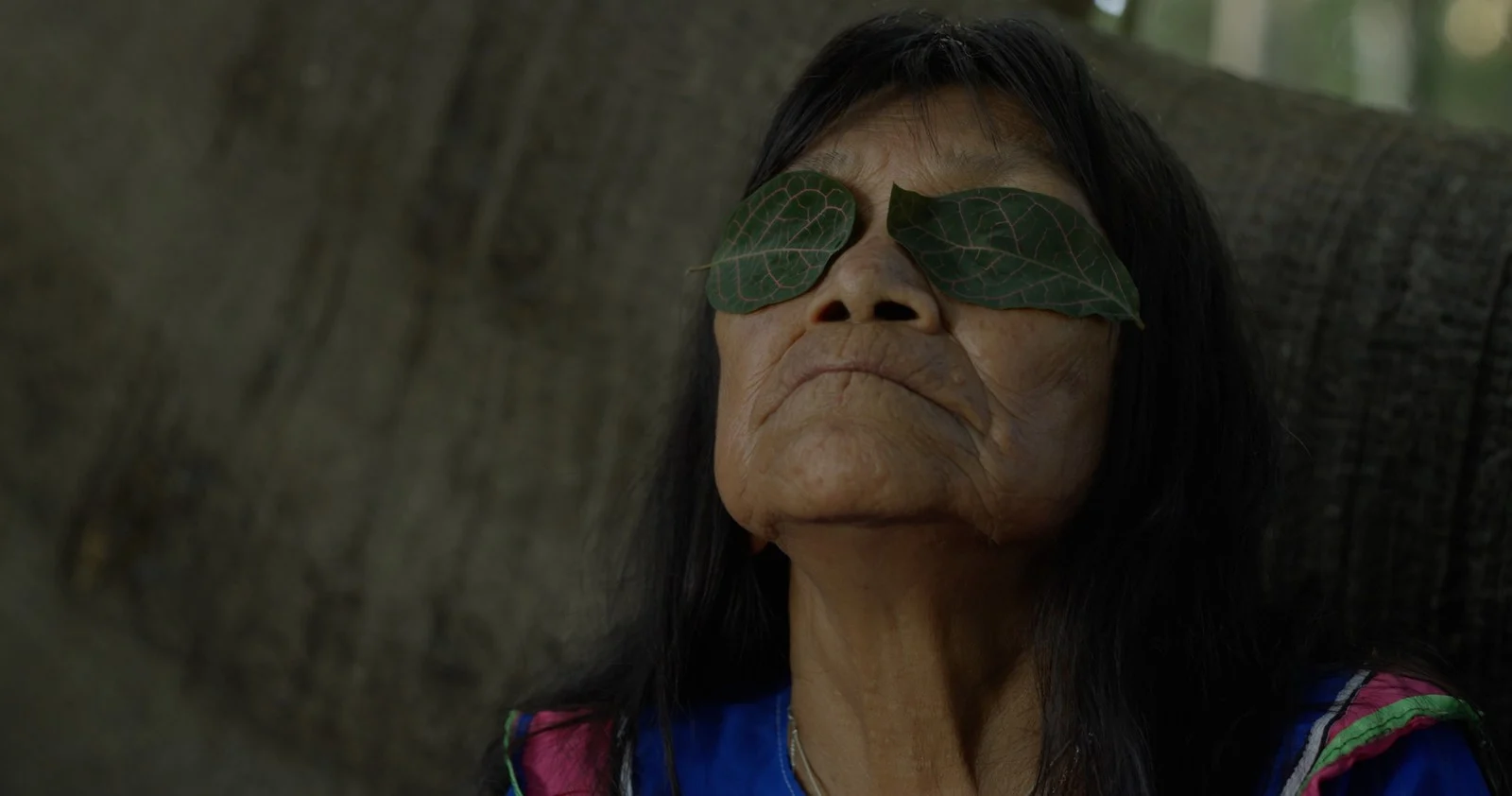
A new documentary, premiered at the Toronto International Film Festival, traces the Shipibo-Conibo artist Sara Flores, who is representing Peru at the Venice Biennale.
A Rare Convergence of Art and Film
A documentary titled “The Hummingbird Paints Fragrant Songs” has been making waves in the film world. It recently premiered at the Toronto International Film Festival (TIFF). The film focuses on Sara Flores, a Shipibo-Conibo artist whose work has garnered international attention. What makes the documentary particularly notable is that it is described as “formally uncommon” by The Art Newspaper. This characterization suggests a unique cinematic approach, one that likely mirrors the distinct visual language of Flores's own artistic practice. The premiere at TIFF places the film within a major cultural platform, amplifying the reach of Flores's story beyond the traditional art world.
The Artist at the Pinnacle
At the center of the documentary is Sara Flores, whose journey is traced from the Amazon to what is described as “the pinnacle of the art world.” Currently, Flores is representing Peru at the Venice Biennale, one of the most prestigious recurring exhibitions in contemporary art. This achievement underscores her significant standing in the international art community. As a Shipibo-Conibo artist, Flores brings a distinctive cultural and aesthetic perspective to this global stage. Her presence at the Venice Biennale is a landmark moment for both her career and for the visibility of Indigenous art from the Amazon region.
Tracing a Journey
The documentary's narrative arc spans from Flores's origins in the Amazon to her current recognition. This trajectory highlights not only her personal and artistic evolution but also the broader context of how art from Indigenous communities is received and celebrated in global institutions. The film's premiere at TIFF and the concurrent Venice Biennale presentation create a dual platform for Flores's work, bridging cinema and visual art. This convergence offers audiences multiple entry points into her practice and her story.
The documentary “The Hummingbird Paints Fragrant Songs” premiered at the Toronto International Film Festival and follows Sara Flores, a Shipibo-Conibo artist representing Peru at the Venice Biennale.
Formal Innovation in Documentary
Described as “formally uncommon,” the documentary likely eschews conventional biographical or expository modes. This formal distinction suggests that the film may engage with Flores's artistic methods or worldview in a manner that is itself experimental or non-traditional. Such an approach can offer a more immersive or interpretive experience of the artist's life and work, moving beyond a straightforward chronological account.
A Moment of Recognition
Flores's dual presence at TIFF and the Venice Biennale represents a significant intersection of film and art. The documentary not only traces her journey but also contributes to a growing discourse around Indigenous representation in major cultural institutions. By focusing on a Shipibo-Conibo artist from the Amazon, the film brings attention to a region and a cultural tradition that are often underrepresented in mainstream art narratives. This moment of recognition is both a personal milestone for Flores and a broader signal of shifting curatorial and cinematic interests.
Conclusion: A Story Worth Telling
The documentary “The Hummingbird Paints Fragrant Songs” offers a rare glimpse into the life and ascent of Sara Flores. From the Amazon to the Venice Biennale, her path is one of remarkable achievement. The film's premiere at TIFF and its formally uncommon approach make it a noteworthy addition to both documentary cinema and the contemporary art landscape. As Flores continues to represent Peru at the Venice Biennale, this documentary serves as a timely and intimate portrait of an artist at a pivotal moment in her career.