Blind Man Sues British Museum Over Lack of Audio Description for Bayeux Tapestry Show
A blind man has sued the British Museum, saying its Bayeux Tapestry exhibition lacked audio description. The museum says in-person audio-described tours will be offered and it may add one to the exhibition's app.
Accessibility Claim Against the British Museum
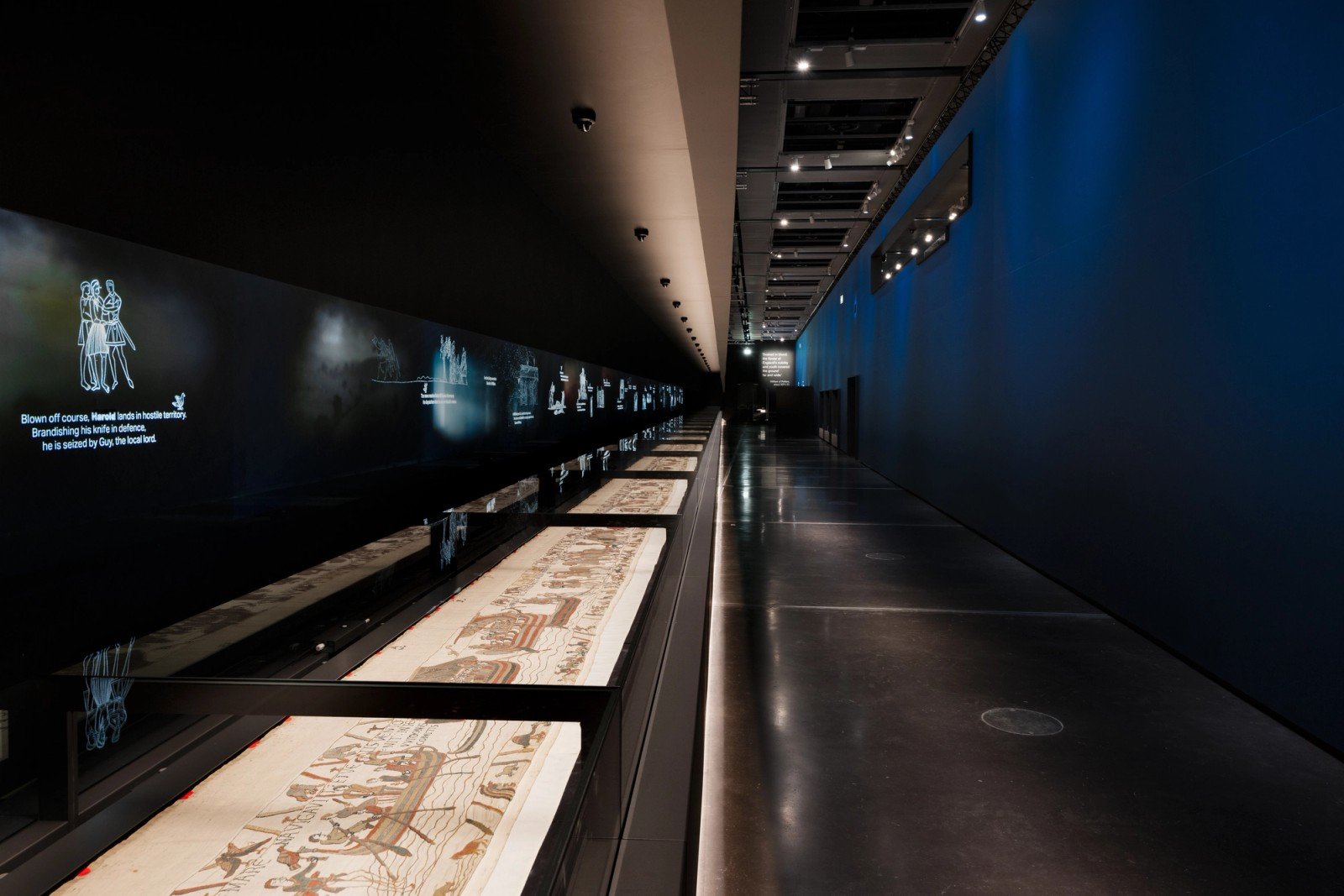
The British Museum has been sued by a blind man over the lack of audio description for its exhibition concerning the Bayeux Tapestry. The claim, reported by The Art Newspaper, centres on accessibility provision at the London institution.
Museum's Response
The museum says that in-person audio-described tours will be offered for the exhibition. It also says that it may add an audio-described tour to the exhibition's app. Those statements are the institution's response to the claim.
The British Museum says it will provide in-person audio-described tours and may add an audio-described tour to the exhibition's app, following a lawsuit by a blind man over the lack of audio description for the Bayeux Tapestry exhibition.
Why the Case Matters
For museums, the case sits at the intersection of exhibition programming and legal obligation. Audio description is a standard access tool for blind and partially sighted visitors, and its absence from a major exhibition can become the basis for a discrimination claim. The British Museum's stated plan to offer in-person audio-described tours and to consider an app-based audio-described tour indicates how such disputes can prompt concrete changes to visitor services.
What Is Not Specified
The source material does not identify the claimant, the court, the legal basis of the suit, the amount of any damages sought, or a timeline for the proposed tours. It also does not state whether the exhibition is permanent or temporary, or provide details on the museum's broader accessibility policies. Those facts are absent and are therefore not included here.
The Operational Question
For institutions staging exhibitions on major heritage objects, the case raises a practical question: how access features such as audio description are planned, resourced and delivered alongside the exhibition itself. The British Museum's response, as reported, couples in-person tours with a possible app-based addition, suggesting that accessibility may be addressed through both guided and digital formats.
What to Watch
The museum has said the in-person audio-described tours will be offered, and that an audio-described tour may be added to the exhibition's app. Whether those commitments are implemented, and how they are received, will be the next factual development to follow.