可比销售
同一艺术家的公开销售,按媒介、创作年份、尺寸和销售新近程度排序。
没有具有公开使用权的可比销售符合当前证据标准。RELICT 不会用仅供研究或仅限许可访问的数据填充表格。
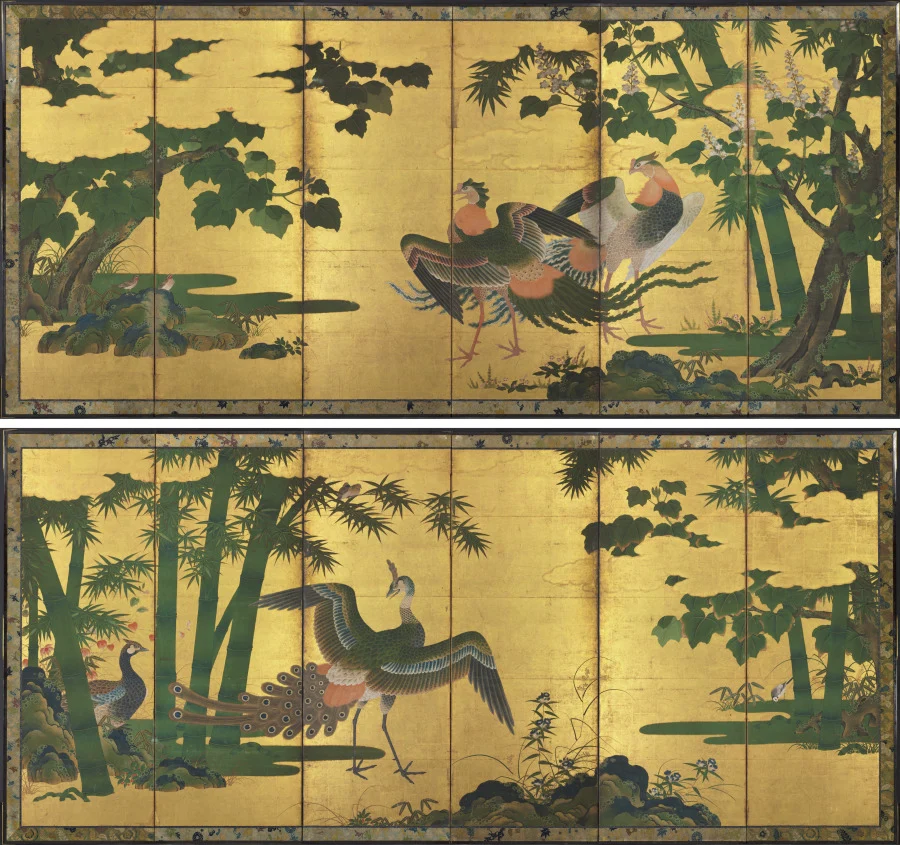
实际销售事实、可比证据、艺术家指数历史与模型研究保持分开。
同一艺术家的公开销售,按媒介、创作年份、尺寸和销售新近程度排序。
(Leighton R. Longhi Inc., New York, NY, sold to the Cleveland Museum of Art)
The Cleveland Museum of Art, Cleveland, OH
(Leighton R. Longhi Inc., New York, NY, sold to the Cleveland Museum of Art) The Cleveland Museum of Art, Cleveland, OH
Year in Review for 1986. The Cleveland Museum of Art, Cleveland, OH (organizer) (February 4-March 15, 1987). Byobu: The Art of the Japanese Screen. The Cleveland Museum of Art, Cleveland, OH (organizer) (December 8, 1987-January 10, 1988). Autumn Grasses: Arts of the Momoyama Period (1573-1615). The Cleveland Museum of Art, Cleveland, OH (organizer) (October 4-December 11, 1988). The Triumph of Japanese Style: 16th Century Art in Japan. The Cleveland Museum of Art, Cleveland, OH (organizer) (October 19-December 1, 1991). Unfolding Beauty: Japanese Screens from the Cleveland Museum of Art. The Cleveland Museum of Art, Cleveland, OH (organizer) (July 15-September 16, 2001). Japanese Gallery 235 Rotation - January-July 2017. The Cleveland Museum of Art (January 9-July 10, 2017). The Cleveland Museum of Art, Main Asian Rotation (Gallery 121); July 13 - November 10, 2004.
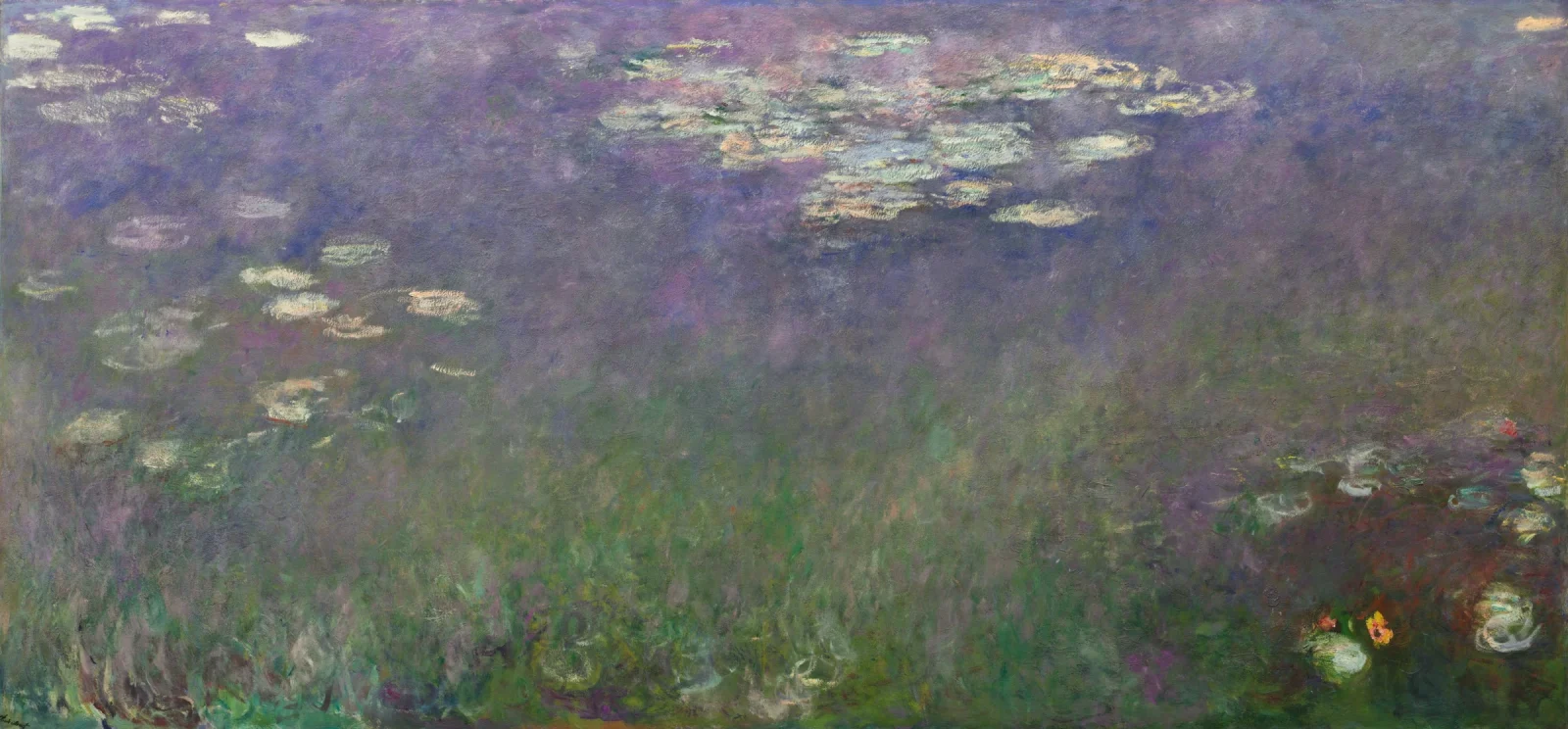
Claude Monet (French, 1840–1926) · 1915
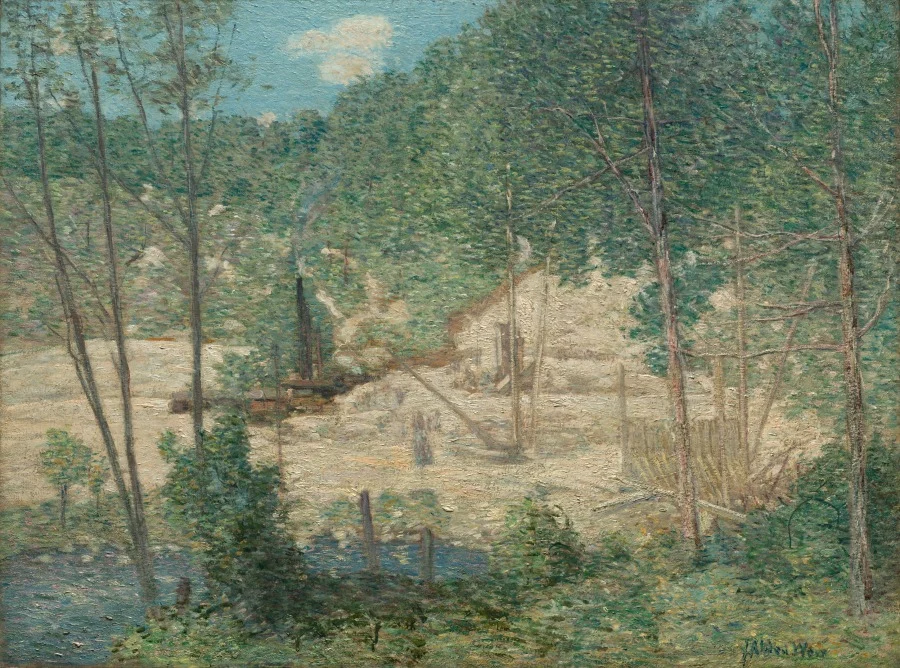
Julian Alden Weir (American, 1852–1919) · 1908
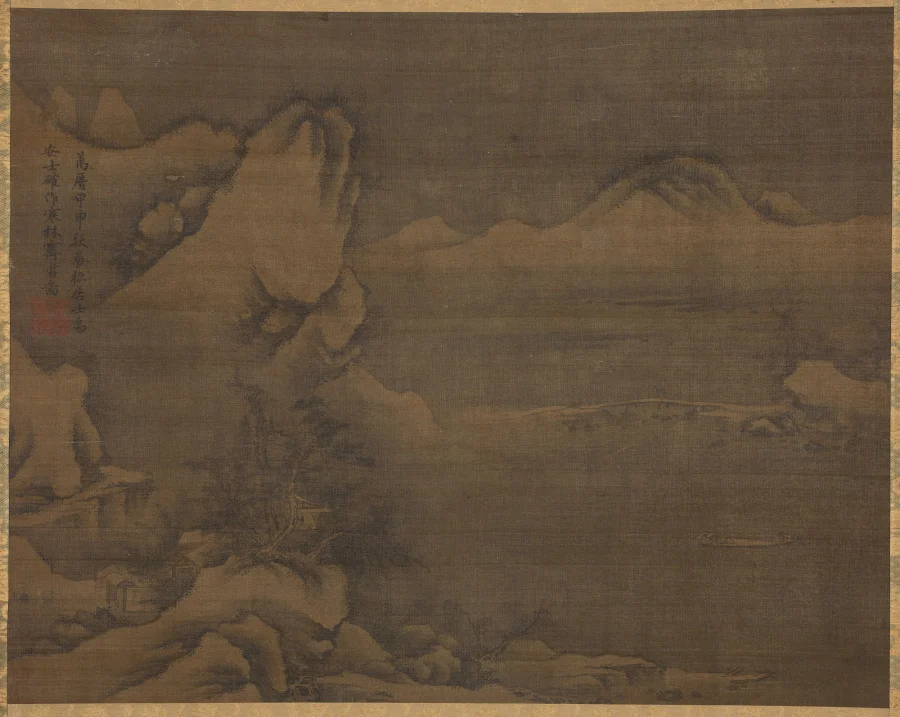
Kim Si (Korean, 1524–1593) · 1584
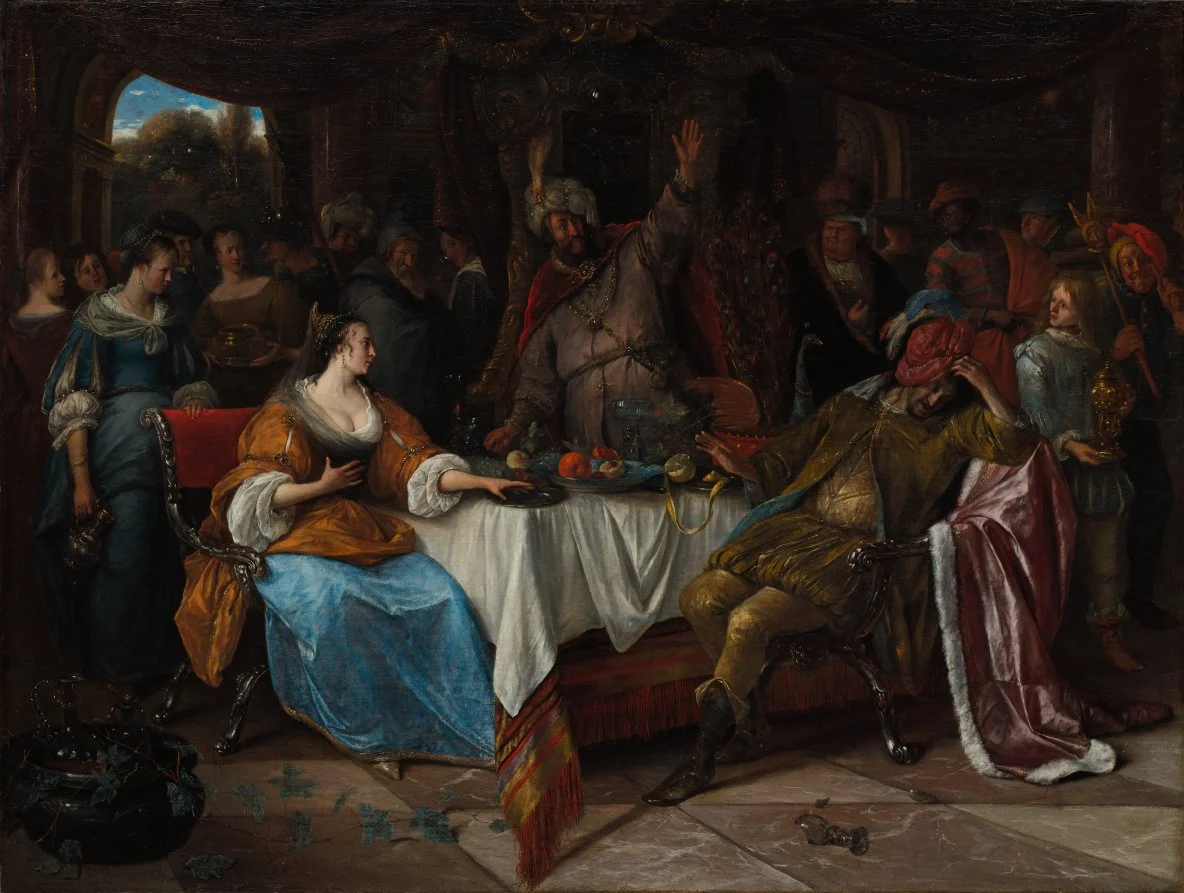
Jan Steen (Dutch, 1626–1679) · 1663
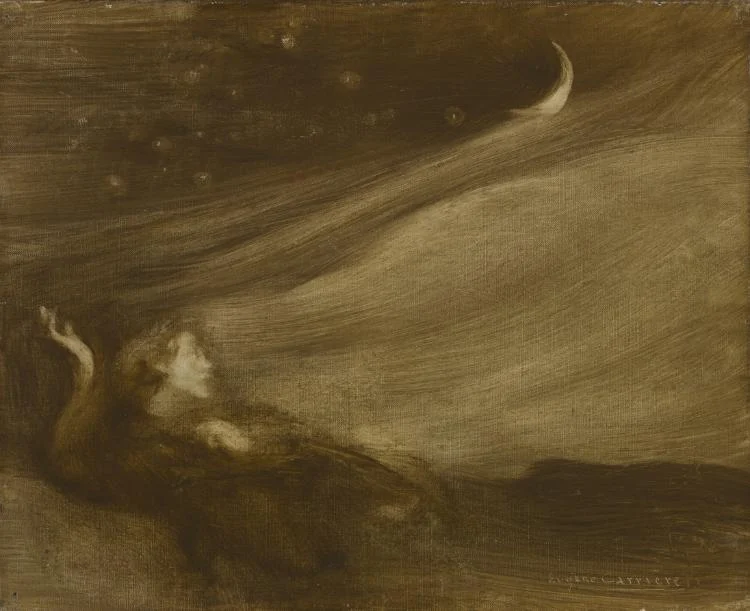
Eugène Carrière (French, 1849–1906) · 1901
Phoenixes are fantastical birds said to inhabit paulownia trees and eat bamboo, and to celebrate virtuous rulers. Peafowl are birds that amuse themselves in the lake of the Buddha Amida’s Pure Land, a paradise where many once hoped to find themselves after death. Both birds appeared on Japanese textiles or paintings in the 1500s and 1600s, used in official ceremonies centered around emperors.
观察到的销售: 0 · 可比销售: 0 · 来源与流传记录: 2 · 展览: 6.