Indietro
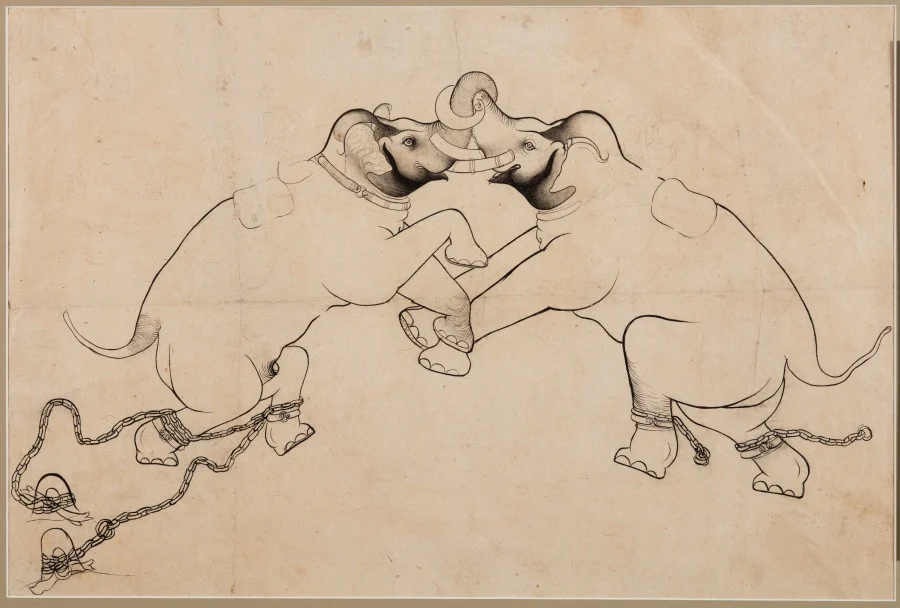
Drawing of an Elephant
The Cleveland Museum of Art · Edward L. Whittemore Fund
Museum

Drawing of an Elephant

c. 1700

Analisi di mercato

Vendite osservate, prove comparabili, storia dell’indice artista e ricerche modellate restano distinti.

Prove pubbliche
Ultimo prezzo noto—0 matched observed sales
Mediana osservata—
Vendite osservate0
Indice artista—
A quest’opera non è collegata una vendita osservata normalizzata con diritti verificati. Non viene mostrata una cronologia prezzi artificiale.
Indice artista non disponibileNessun calcolo pubblico completato dell’indice artista.Il contesto dell’artista non è una valutazione dell’opera.

Vendite comparabili

Vendite pubbliche dello stesso artista ordinate per tecnica, anno di creazione, dimensioni e data di vendita.

Ordinato per prove
Nessuna vendita comparabile con diritti pubblici soddisfa i criteri attuali. RELICT non riempie la tabella con fatti riservati alla ricerca o al solo accesso con licenza.
Provenienza

Pubblico
?–1969

(Kasmin Gallery, London, UK, sold to the Cleveland Museum of Art)

1969–

The Cleveland Museum of Art, Cleveland, OH

Testo di provenienza della fonte

(Kasmin Gallery, London, UK, sold to the Cleveland Museum of Art) The Cleveland Museum of Art, Cleveland, OH

The Cleveland Museum of ArtAffidabilità 100%

Mostre

Pubblico
Testo mostre della fonte

Year in Review: 1969. The Cleveland Museum of Art, Cleveland, OH (organizer) (January 27-February 22, 1970). A Cleveland Bestiary. The Cleveland Museum of Art, Cleveland, OH (organizer) (October 15-December 16, 1981). Art and Stories from Mughal India. The Cleveland Museum of Art, Cleveland, OH (organizer) (July 31-October 23, 2016).

The Cleveland Museum of ArtAffidabilità 100%
Opere pubbliche collegate

Opere vicine nel catalogo

Esplora il catalogo →

Panoramica documentata Evidenze

Beginning with Babur, but especially with Akbar, the Mughal emperors displayed an enormous interest in and affection for the elephants of India. The palace housed many elephants, used by the royal court for practical tasks such as carrying heavy loads through rivers and over difficult ground, for charging into battle, and, sometimes, for executing captives. They were also used for entertainment purposes such as riding, ceremonial processions, hunting, and fighting. Royal elephants were cared for by trained staff and kept on a special diet. Their tusks, necks, and ankles were often decorated with golden chains and hoops encrusted with jewels and pearls.

The Cleveland Museum of ArtAffidabilità 100%

Stato delle prove

Vendite osservate: 0 · Vendite comparabili: 0 · Provenienza: 2 · Mostre: 3.

Place Of OriginShort DescriptionProvenance TextExhibition HistoryCredit Line