Indietro
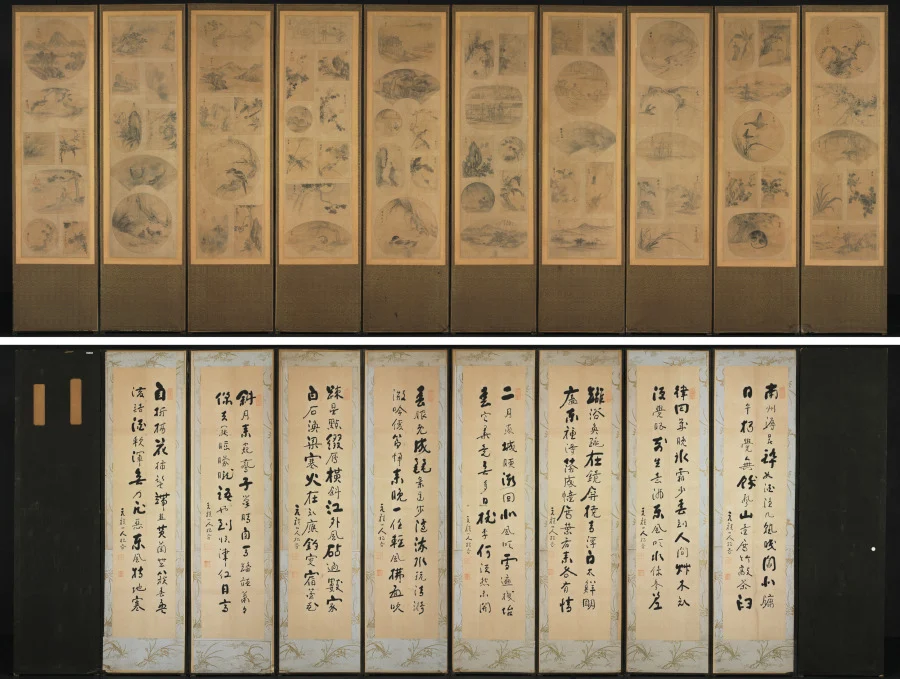
Calligraphy (reverse)
The Cleveland Museum of Art · Bequest of Gordon K. Mott
Museum

Calligraphy (reverse)

late 1800s

Analisi di mercato

Vendite osservate, prove comparabili, storia dell’indice artista e ricerche modellate restano distinti.

Prove pubbliche
Ultimo prezzo noto—0 matched observed sales
Mediana osservata—
Vendite osservate0
Indice artista—
A quest’opera non è collegata una vendita osservata normalizzata con diritti verificati. Non viene mostrata una cronologia prezzi artificiale.
Indice artista non disponibileNessun calcolo pubblico completato dell’indice artista.Il contesto dell’artista non è una valutazione dell’opera.

Vendite comparabili

Vendite pubbliche dello stesso artista ordinate per tecnica, anno di creazione, dimensioni e data di vendita.

Ordinato per prove
Nessuna vendita comparabile con diritti pubblici soddisfa i criteri attuali. RELICT non riempie la tabella con fatti riservati alla ricerca o al solo accesso con licenza.
Provenienza

Pubblico
?-1955

Collection in Pusan, Korea, to Gordon K. Mott

1955-1998

Gordon K. Mott [1914-1998], Lakewood, OH, bequest to the Cleveland Museum of Art

1998-

The Cleveland Museum of Art, Cleveland, OH

Testo di provenienza della fonte

Collection in Pusan, Korea, to Gordon K. Mott Gordon K. Mott [1914-1998], Lakewood, OH, bequest to the Cleveland Museum of Art The Cleveland Museum of Art, Cleveland, OH

The Cleveland Museum of ArtAffidabilità 100%

Mostre

Pubblico
Testo mostre della fonte

The Lure of Painted Poetry: Japanese and Korean Art. The Cleveland Museum of Art, Cleveland, OH (organizer) (April 15-August 21, 2011). Old and New in Korean Art. The Cleveland Museum of Art, Cleveland, OH (organizer) (October 28, 2022-April 23, 2023).

The Cleveland Museum of ArtAffidabilità 100%
Opere pubbliche collegate

Opere vicine nel catalogo

Esplora il catalogo →

Panoramica documentata Evidenze

The front of this screen features an assortment of subjects: birds and flowers, landscapes, and scenes of everyday life, mostly in monochromatic ink with light colors. The screen’s reverse side conveys a number of classical poems about the fleeting beauty of the four seasons. Traditionally, only one side of a folding screen bears painted or embroidered images, since these were used as a background furnishing. In Korean houses by the 1800s and early 1900s, however, two-sided folding screens became noticeably popular, possibly inspired by Japanese double-sided folding screens, which mainly served as room dividers in Japanese households.

The Cleveland Museum of ArtAffidabilità 100%

Stato delle prove

Vendite osservate: 0 · Vendite comparabili: 0 · Provenienza: 3 · Mostre: 2.

Place Of OriginShort DescriptionProvenance TextExhibition HistoryCredit Line