Ventes comparables
Ventes publiques du même artiste classées par technique, année de création, dimensions et date de vente.
Les ventes observées, preuves comparables, historiques d’indice et recherches modélisées restent distincts.
Ventes publiques du même artiste classées par technique, année de création, dimensions et date de vente.
(Kozo Yabumoto 藪本公三, Amagasaki, Hyōgo Prefecture, Japan, sold to the Cleveland Museum of Art)
The Cleveland Museum of Art, Cleveland, OH
(Kozo Yabumoto 藪本公三, Amagasaki, Hyōgo Prefecture, Japan, sold to the Cleveland Museum of Art) The Cleveland Museum of Art, Cleveland, OH
Japanese and Korean Gallery Rotation. The Cleveland Museum of Art (July 6, 2015-January 4, 2016). Old and New in Korean Art. The Cleveland Museum of Art, Cleveland, OH (organizer) (October 28, 2022-April 23, 2023). Main Asian Rotation (Gallery 238). The Cleveland Museum of Art, Cleveland, OH (June 13, 2013-January 28, 2014).

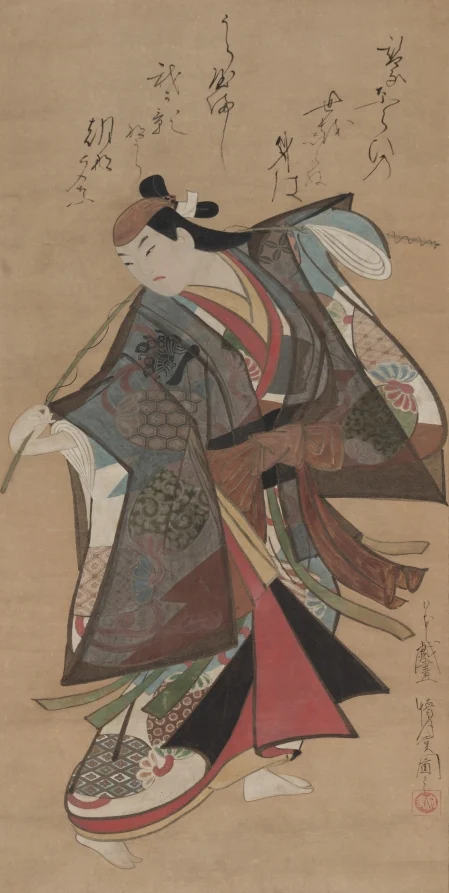
Kaigetsudō Ando (Japanese, c. 1671–1743) · 1700

Wen Zhengming (Chinese, 1470–1559) · 1548

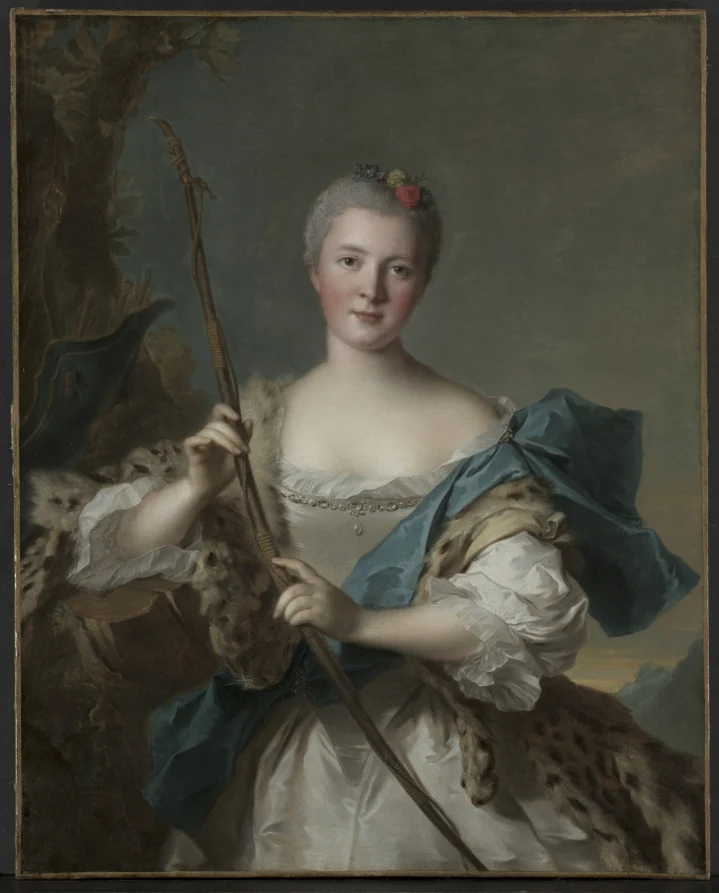
Jean-Marc Nattier (French, 1685–1766) · 1752

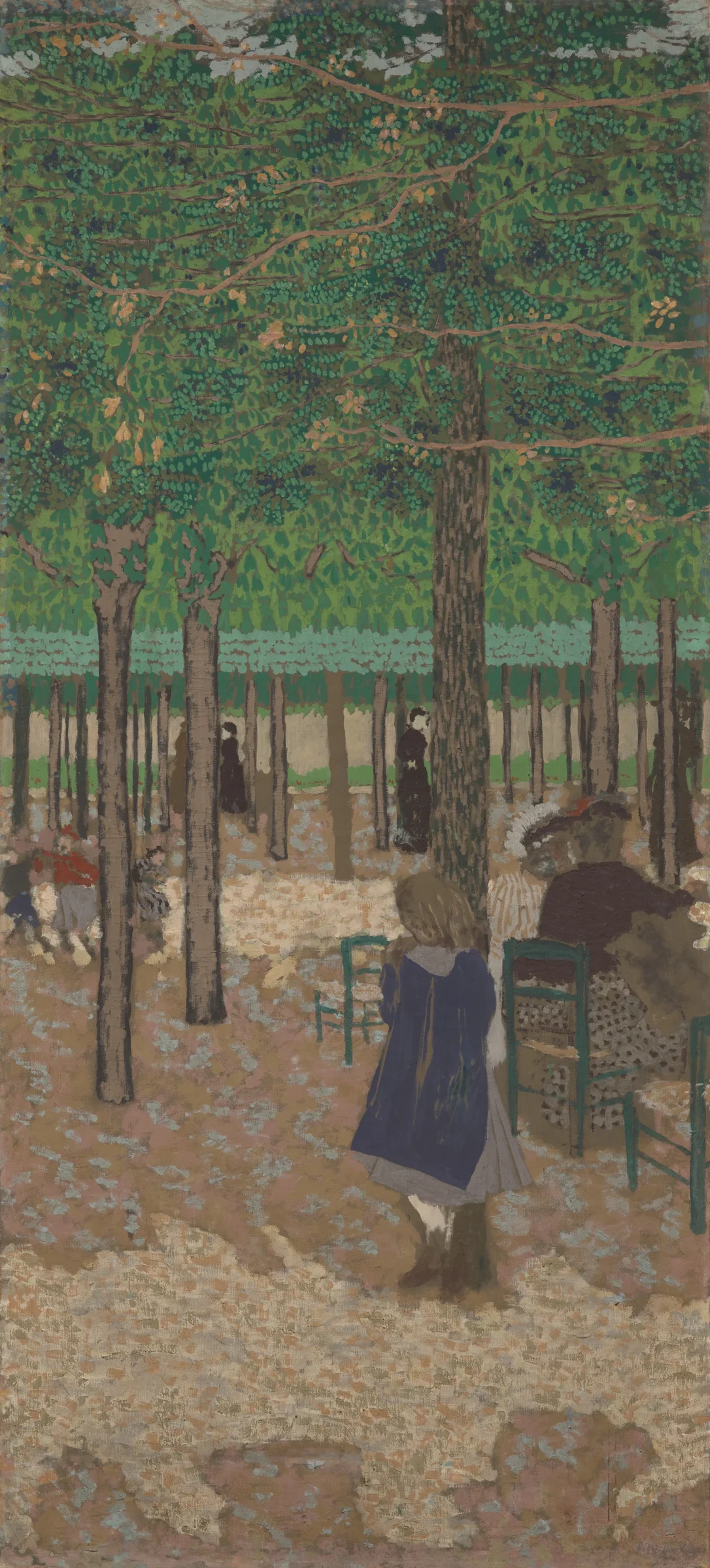
Édouard Vuillard (French, 1868–1940) · 1894

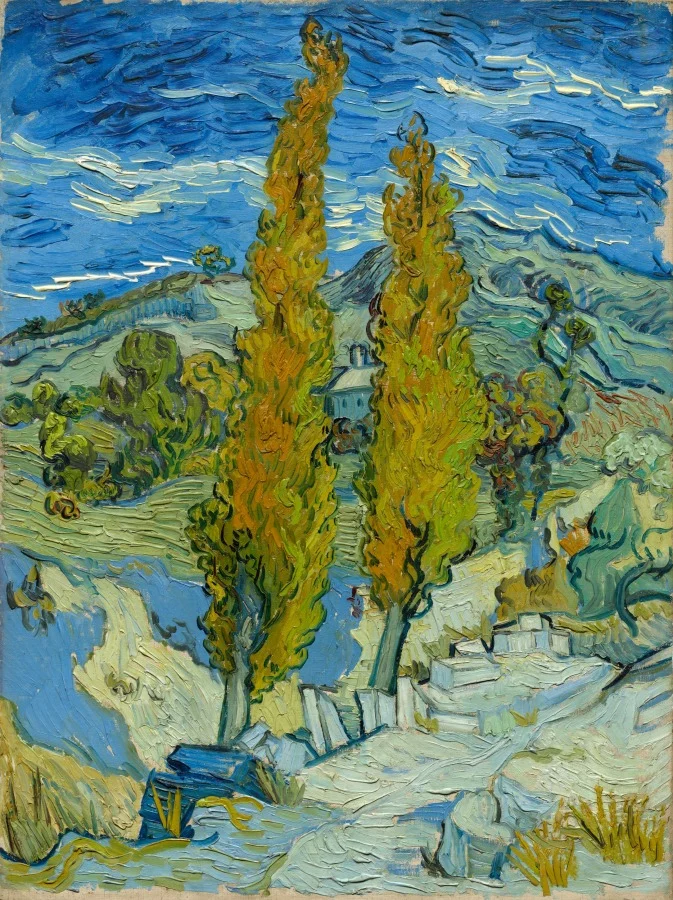
Vincent van Gogh (Dutch, 1853–1890) · 1889
In deep mountains, a tigress, two cubs, and a leopard welcome the early morning sun. This is not merely a playful scene but a well calculated image with symbols of longevity (pine trees), prosperity (tigress and cubs), and good fortune (leopard). Traditionally, on New Year’s Eve, the image of a fearsome-looking tiger was pasted on entrance doors to ward off evil spirits. Conventional Korean tiger paintings often include frolicking magpies, but here, the crimson sun is placed behind a majestic pine. Through the sunrise and the details of the felines’ skin shines the artist’s keen interest in creating a realistic atmosphere.
Ventes observées: 0 · Ventes comparables: 0 · Provenance: 2 · Expositions: 2.