Retour
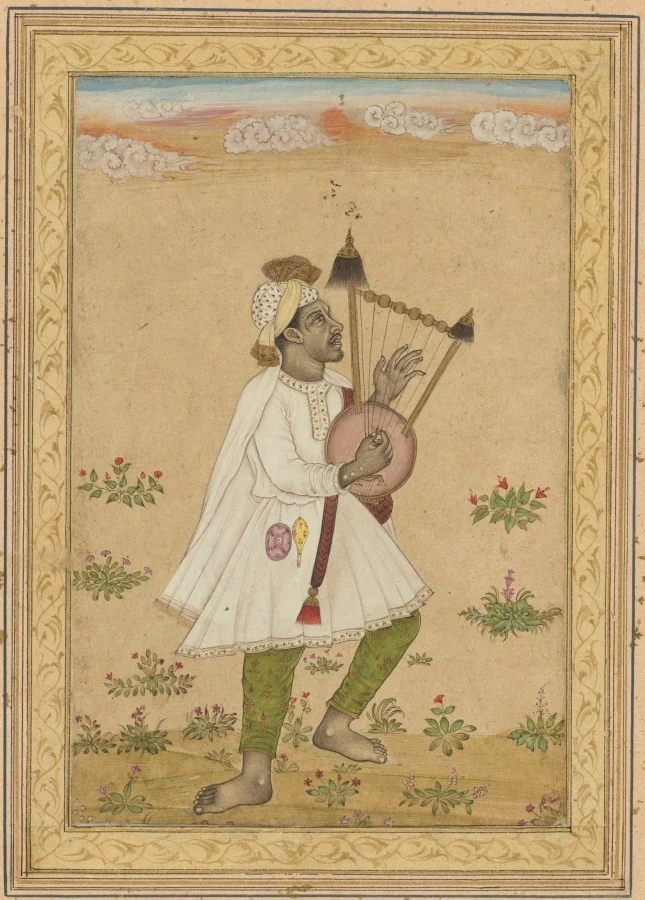
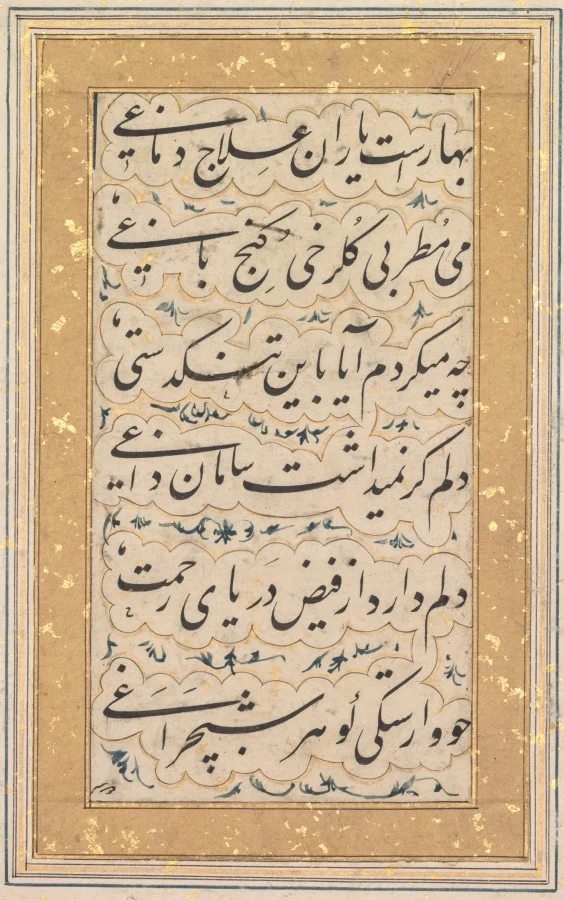
An African Lyre Player (recto)
The Cleveland Museum of Art · Gift in honor of Madeline Neves Clapp; Gift of Mrs. Henry White Cannon by exchange; Bequest of Louise T. Cooper; Leonard C. Hanna Jr. Fund; From the Catherine and Ralph Benkaim Collection
Museum

An African Lyre Player (recto)

c. 1640–60

Analyse de marché

Les ventes observées, preuves comparables, historiques d’indice et recherches modélisées restent distincts.

Preuves publiques
Dernier prix connu—0 matched observed sales
Médiane observée—
Ventes observées0
Indice d’artiste—
Aucune vente observée normalisée aux droits vérifiés n’est liée à cette œuvre. Aucun historique de prix artificiel n’est affiché.
Indice d’artiste indisponibleAucun calcul public d’indice d’artiste terminé.Le contexte d’un artiste n’est pas une estimation d’œuvre.

Ventes comparables

Ventes publiques du même artiste classées par technique, année de création, dimensions et date de vente.

Classé selon les preuves
Aucune vente comparable aux droits publics ne satisfait les critères actuels. RELICT ne remplit pas le tableau avec des faits réservés à la recherche ou sous licence uniquement.
Provenance

Public
Aucune preuve de provenance aux droits vérifiés publiée.

Expositions

Public
Texte d’exposition source

Indian Gallery 242b Rotation – November 2016. The Cleveland Museum of Art (organizer) (November 7, 2016-April 10, 2017).

The Cleveland Museum of ArtFiabilité 100%
Œuvres publiques liées

Œuvres voisines du catalogue

Explorer le catalogue →

Vue d’ensemble sourcée Éléments probants

The anonymity of the subject of this painting obscures whether this is a portrait of a historical person, or a generic depiction of a musician. The instrument in his hands is a bowl lyre, called a nanga, of the type from Nubia in northeastern Africa. Many Africans, mainly from Ethiopia, settled in the Deccan, on the western coast of southern India, where they found employment as soldiers, mercenaries, and administrators. While stereotypical associations of Africans with music and dance persist in this Deccani album page, the figure is well dressed and less caricatured than the painting from 100 years earlier of the dancing Zangi in the Tuti-nama (Tales of a Parrot).

The Cleveland Museum of ArtFiabilité 100%

État des preuves

Ventes observées: 0 · Ventes comparables: 0 · Provenance: 0 · Expositions: 1.

Place Of OriginShort DescriptionExhibition HistoryCredit Line