Atrás
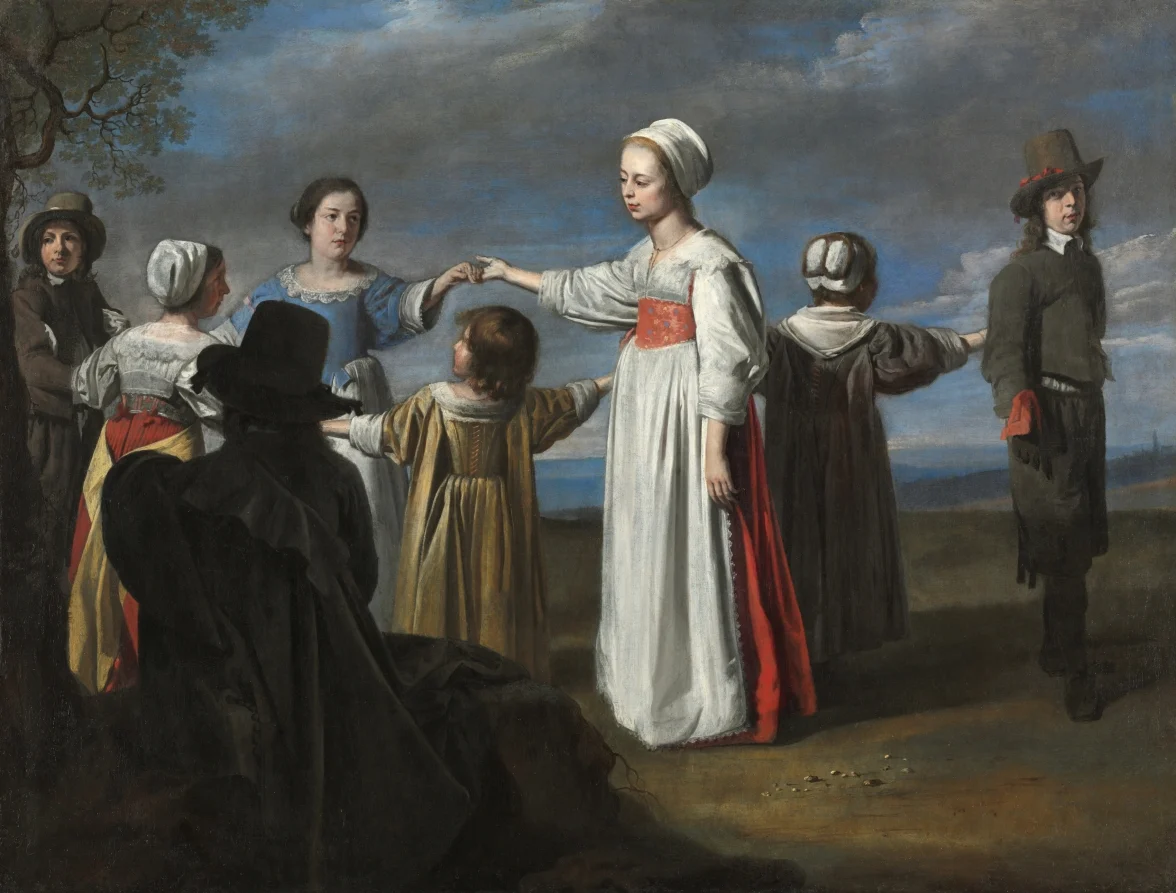
Children Dancing
The Cleveland Museum of Art · Gift of Mrs. Salmon P. Halle in memory of Salmon Portland Halle
Museum

Children Dancing

c. 1650
Le Nain (French) visual detail
ArtistaLe Nain (French)
Ver artista →

Análisis de mercado

Los hechos de ventas observadas, pruebas comparables, historial del índice y estudios modelados permanecen separados.

Pruebas públicas
Último precio conocido—0 matched observed sales
Mediana observada—
Ventas observadas0
Índice de artista—
Esta obra no tiene una venta observada normalizada con derechos autorizados. No se muestra un historial de precios artificial.
Índice de artista no disponibleNo existe un cálculo público completo del índice del artista.El contexto del artista no es una valoración de la obra.

Ventas comparables

Ventas públicas del mismo artista ordenadas por técnica, año de creación, dimensiones y antigüedad de venta.

Clasificado por pruebas
Ninguna venta comparable con derechos públicos cumple los criterios actuales. RELICT no rellena la tabla con datos exclusivos de investigación o de acceso bajo licencia.

Procedencia

Público
Procedencia

Count Ottone Ponte di Scarnafigi of Sardinia (died 1788);

Procedencia

Count Louis de Seyssel, Turin, sold to Salmon P. Halle, 1916

Procedencia

Salmon P. Halle, upon his death, by inheritance to his wife.

Procedencia

Mrs. Salmon P. Halle, by gift to the Cleveland Museum of Art, 1957.

Texto de procedencia de origen

Count Ottone Ponte di Scarnafigi of Sardinia (died 1788); Count Louis de Seyssel, Turin, sold to Salmon P. Halle, 1916 Salmon P. Halle, upon his death, by inheritance to his wife. Mrs. Salmon P. Halle, by gift to the Cleveland Museum of Art, 1957.

The Cleveland Museum of ArtFiabilidad 100%

Exposiciones

Público
Texto de exposiciones de origen

La Peinture Francaise dans les Collections Americaines. Musée des Beaux-Arts de Bordeaux, F-33000 Bordeaux, France (organizer) (May 13-September 15, 1966). Les Frères Le Nain (The Brothers of Nain). Musée du Louvre, Paris, France (organizer) (October 3, 1978-January 8, 1979). Object Lessons: Cleveland Creates an Art Museum. The Cleveland Museum of Art, Cleveland, OH (organizer) (June 7-September 8, 1991). The Triumph of French Painting: Seventeenth Century Masterpieces from the Museums of FRAME [FRAME]. Portland Art Museum, Portland, OR (organizer) (October 11, 2003-January 4, 2004); Birmingham Museum of Art, Birmingham, AL (January 25-April 11, 2004); Meadows Museum (April 30-July 25, 2004). CMA, 1934: "Art of the Seventeenth and Eighteenth Centuries," no catalogue. Toledo (Ohio) Museum of Art, 1947: "The Brothers Le Nain," cat. no. 13, repr. Musée de Bordeax, France, May-September 1966: "La Peinture française dans les collections américaines," cat. no. 9, plate 11. Paris, Grand Palais, 1978/79: "Les Frères Le Nain," cat. no. 53, pp. 216, 254, 266-67, repr. (Catalogue by Jacques thuillier and michel Laclotte). CMA, June 7-September 8, 1991: "Object Lessons: Cleveland Creates an Art Museum." Portland Art Museum, OR (10/11/2003 - 1/4/2004), Birmingham Museum of Art (1/25/2004 - 4/11/2004) and Meadows Museum, Southern Methodist University, Dallas (5/2/2004 - 7/25/2004): "The Triumph of French Painting: 17th Century Masterpieces from the Museums of FRAME", p. 70-71.

The Cleveland Museum of ArtFiabilidad 100%
Resumen con fuentes Evidencias

Antoine, Louis, and Mathieu Le Nain were brothers who ran a collective studio in Paris from around 1630 until 1648, when Antoine and Louis died. Mathieu continued to produce work under their name "Le Nain" throughout the 1650s. Of the museum's four paintings that have been called "Le Nain" (1958.174, 1958.175.1, 1958.175.2), this work has held its attribution to Mathieu the longest. With his back to the viewer, a musician sits in shadow while a group of children pose patiently in a chain-like formation, awaiting the start of their dance. Because of its reliance on order and collaboration, dancing symbolized familial harmony. The attention to the individuality of the children suggest a family portrait, while their wistful expressions and melancholic tone have led to the hypothesis that the children are portraits-both living and posthumous. The description of the intricate lace and the wearied expressions of the slim boys is characteristic of Mathieu's handling. However, the canvas has been attributed to one of Mathieu's followers, the Master of the Games, because of the static, brightly lit figures whose elongated shadows don't quite describe their forms.

The Cleveland Museum of ArtFiabilidad 100%

Estado de las pruebas

Ventas observadas: 0 · Ventas comparables: 0 · Procedencia: 4 · Exposiciones: 4.

Place Of OriginShort DescriptionProvenance TextExhibition HistoryCredit Line