Indietro
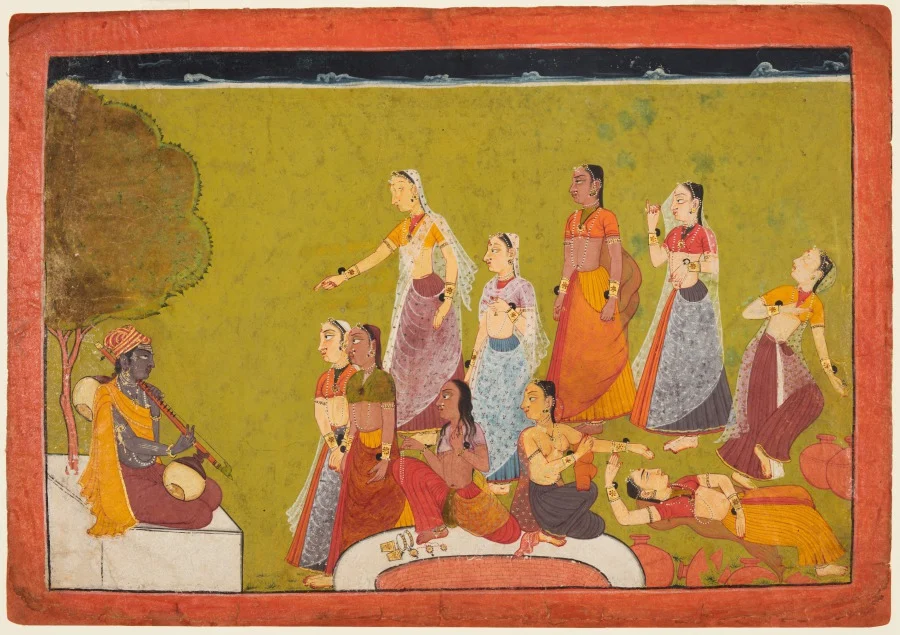
A group of women in ecstasy before Madhava, folio 4 from a Madhavanala-Kamakandala
The Cleveland Museum of Art · Purchase and partial gift from the Catherine and Ralph Benkaim Collection; Severance and Greta Millikin Purchase Fund
Museum

A group of women in ecstasy before Madhava, folio 4 from a Madhavanala-Kamakandala

c. 1720

Analisi di mercato

Vendite osservate, prove comparabili, storia dell’indice artista e ricerche modellate restano distinti.

Prove pubbliche
Ultimo prezzo noto—0 matched observed sales
Mediana osservata—
Vendite osservate0
Indice artista—
A quest’opera non è collegata una vendita osservata normalizzata con diritti verificati. Non viene mostrata una cronologia prezzi artificiale.
Indice artista non disponibileNessun calcolo pubblico completato dell’indice artista.Il contesto dell’artista non è una valutazione dell’opera.

Vendite comparabili

Vendite pubbliche dello stesso artista ordinate per tecnica, anno di creazione, dimensioni e data di vendita.

Ordinato per prove
Nessuna vendita comparabile con diritti pubblici soddisfa i criteri attuali. RELICT non riempie la tabella con fatti riservati alla ricerca o al solo accesso con licenza.
Provenienza

Pubblico
1972–2018

Catherine Glynn Benkaim and Ralph Benkaim Collection

2108–

The Cleveland Museum of Art, Cleveland, OH

Testo di provenienza della fonte

Catherine Glynn Benkaim and Ralph Benkaim Collection The Cleveland Museum of Art, Cleveland, OH

The Cleveland Museum of ArtAffidabilità 100%

Mostre

Pubblico
Testo mostre della fonte

Pahari Paintings: Art and Stories. The Cleveland Museum of Art, Cleveland, OH (organizer) (January 18-August 23, 2026).

The Cleveland Museum of ArtAffidabilità 100%
Opere pubbliche collegate

Opere visivamente affini

Esplora il catalogo →

Panoramica documentata Evidenze

The raptures of Madhava’s audience intensify. As he plays, the music becomes increasingly climactic. Several women stand immobilized; others make emotive gestures. Some faint, while others feel compelled to remove their clothes and jewelry. Written by a Sufi Muslim poet embracing mysticism, the story shows how devotees should feel toward Allah, god of Islam. In the Hindu courts of Pahari India, however, the story provided entertainment for the educated elite. The women’s ecstasies can also be viewed in the context of the Hindu devotional movement (<em>bhakti</em>), characterized by using poetry and art to stir a sense of erotic love for Krishna or Rama.

The Cleveland Museum of ArtAffidabilità 100%

Stato delle prove

Vendite osservate: 0 · Vendite comparabili: 0 · Provenienza: 2 · Mostre: 1.

Place Of OriginShort DescriptionProvenance TextExhibition HistoryCredit Line