Ventes comparables
Ventes publiques du même artiste classées par technique, année de création, dimensions et date de vente.
Les ventes observées, preuves comparables, historiques d’indice et recherches modélisées restent distincts.
Ventes publiques du même artiste classées par technique, année de création, dimensions et date de vente.
Dr. Sherman Emory Lee [1918–2008] and Ruth Ward Lee [1917–2011], Cleveland, OH, given to the Clevela...
The Cleveland Museum of Art, Cleveland, OH
Dr. Sherman Emory Lee [1918–2008] and Ruth Ward Lee [1917–2011], Cleveland, OH, given to the Cleveland Museum of Art The Cleveland Museum of Art, Cleveland, OH
Year in Review (1961). The Cleveland Museum of Art, Cleveland, OH (organizer) (November 1-26, 1961). Japanese Screens from the Museum and Cleveland Collections. The Cleveland Museum of Art, Cleveland, OH (organizer) (March 23-May 8, 1977). Byobu: The Art of the Japanese Screen. The Cleveland Museum of Art (organizer) (August 1-October 14, 1984). Suibokuga: Japanese Ink Painting. The Cleveland Museum of Art, Cleveland, OH (organizer) (October 1, 1985-February 24, 1986). Unfolding Beauty: Japanese Screens from the Cleveland Museum of Art. The Cleveland Museum of Art, Cleveland, OH (organizer) (July 15-September 16, 2001). The Lure of Painted Poetry: Japanese and Korean Art. The Cleveland Museum of Art, Cleveland, OH (organizer) (April 15-August 21, 2011).

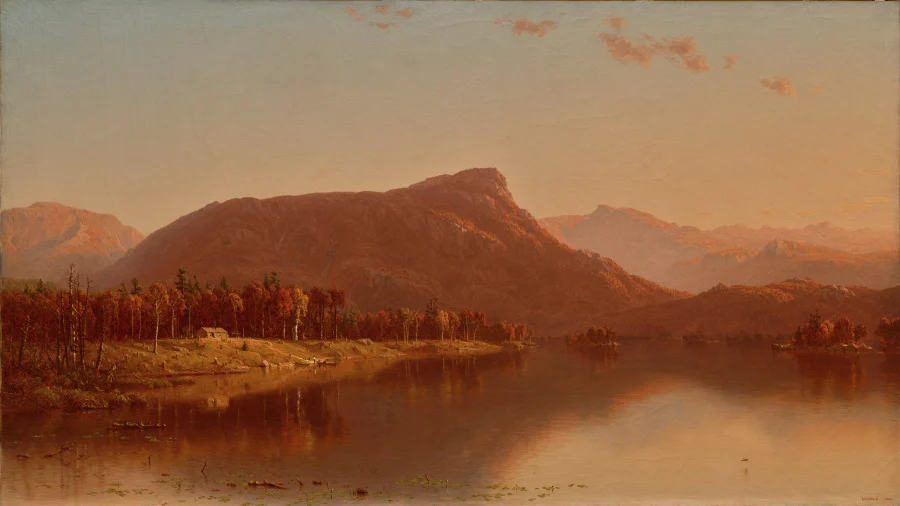
Sanford Robinson Gifford (American, 1823–1880) · 1866

Wen Boren (Chinese, 1502–1575) · 1520

Ike Taiga (Japanese, 1723–1776) · 1740

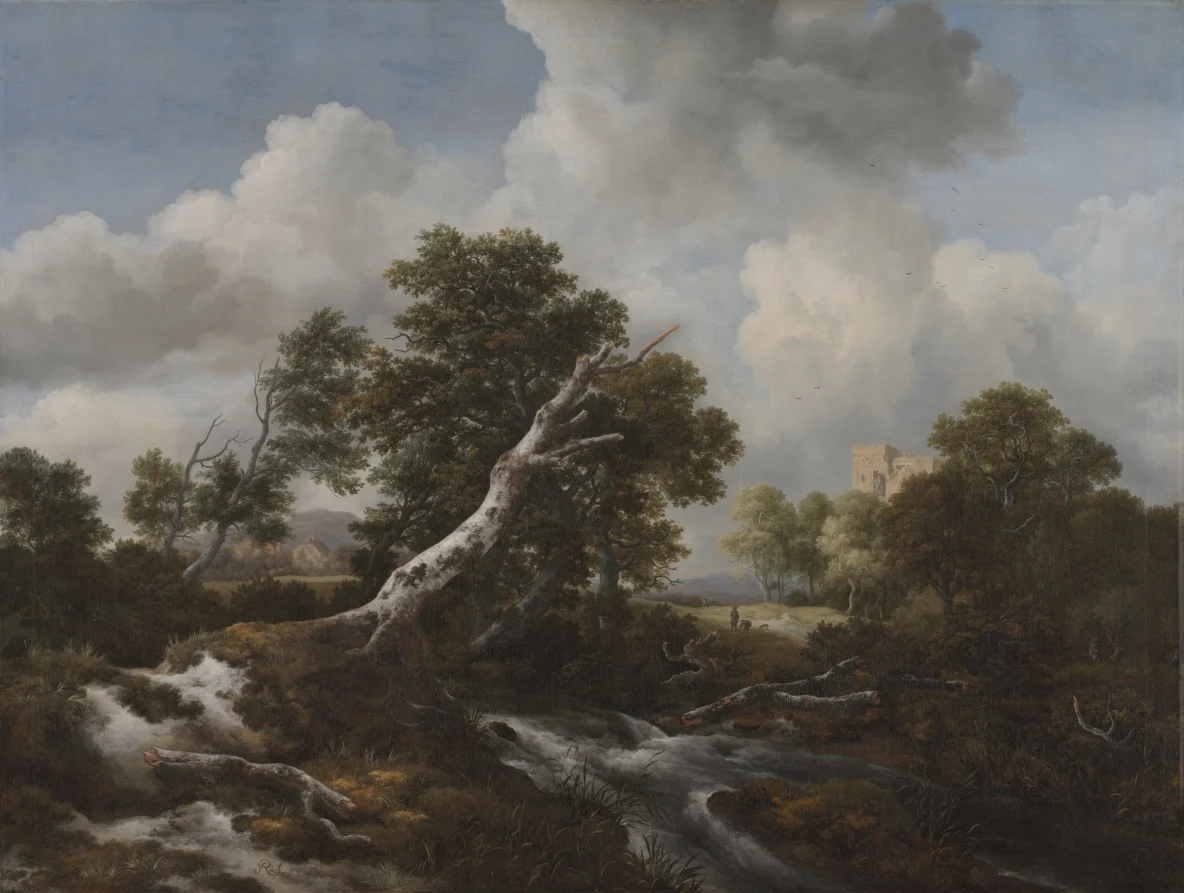
Jacob van Ruisdael (Dutch, 1628/29–1682) · 1660

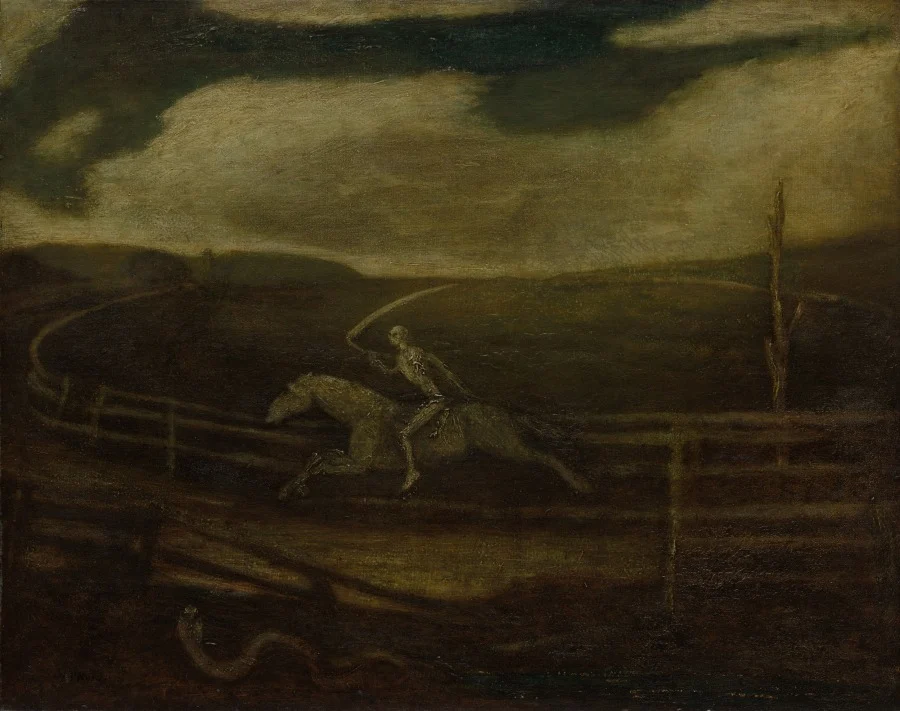
Albert Pinkham Ryder (American, 1847–1917) · 1896
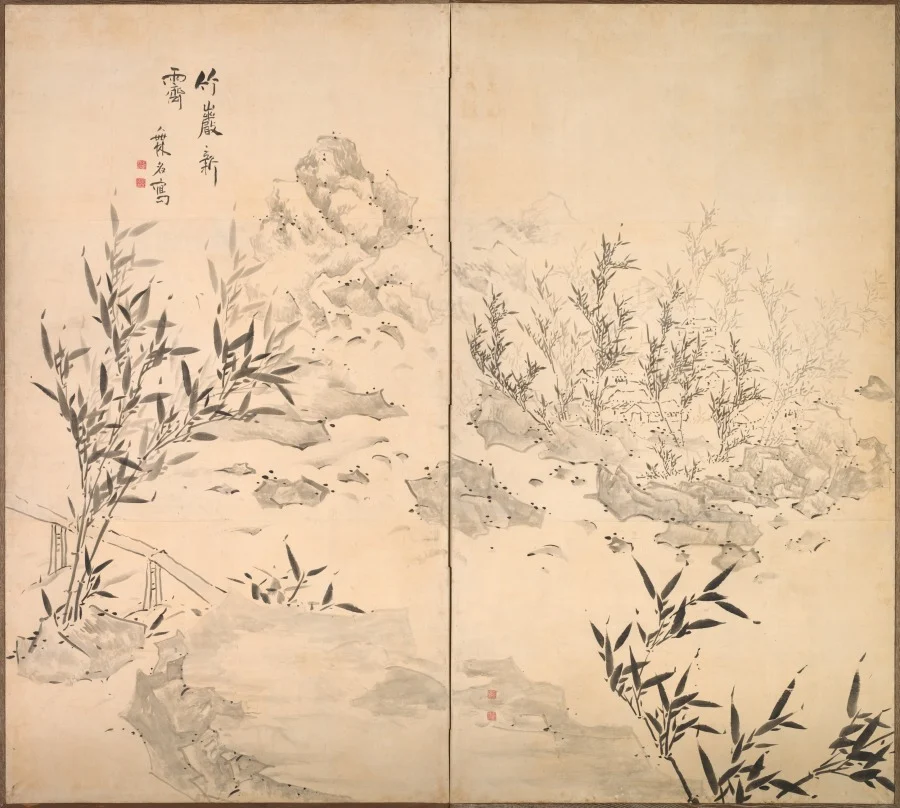
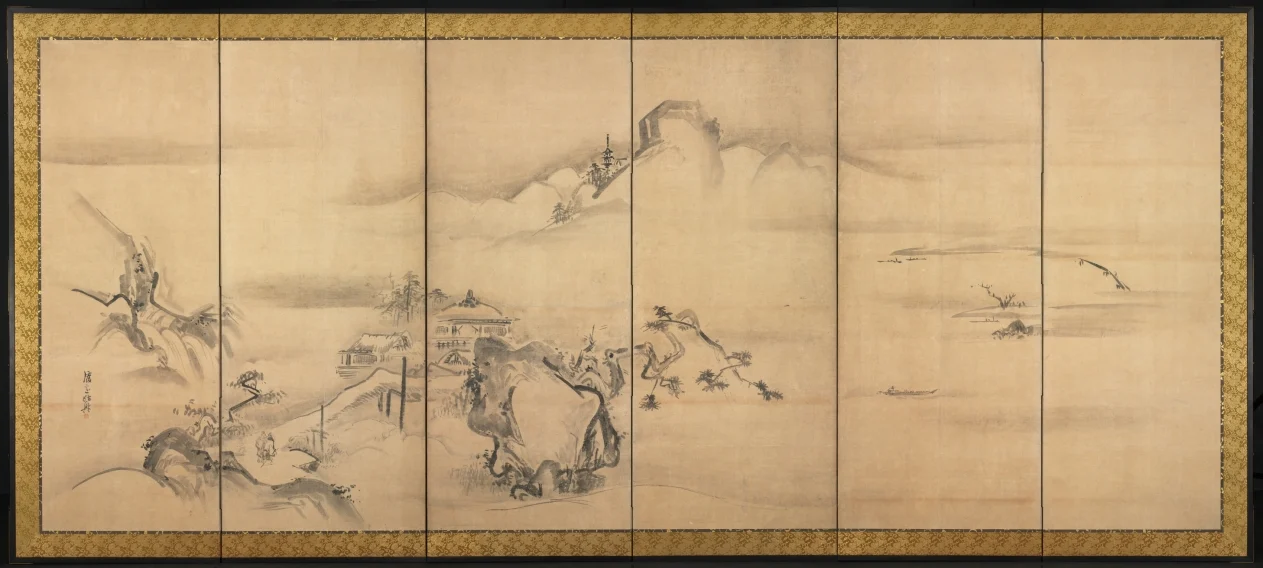
Watanabe Shiko enjoyed a versatile and successful career, as well as a privileged upbringing, in Kyoto. His surviving work indicates a capacity to diligently study, master, and then interpret several painting techniques—each of which varies considerably in appearance. These <em>byobu</em> (folding screens), for instance, reflect training in the Kano school idiom that favored a monochromatic ink palette, vigorous brushwork, and traditional Chinese—rather than Japanese—subject matter. Shiko rendered this scenery in a particularly expansive manner, suggesting the vastness of China's topography relative to Japan's. Frequent visitors to the museum will recall that Shiko also painted the collection's favored pair of byobu, the <em>Irises</em> (<a href="http://cma.org/art/1954.603"><u>CMA 1954.603</u></a>).
Ventes observées: 0 · Ventes comparables: 0 · Provenance: 2 · Expositions: 6.