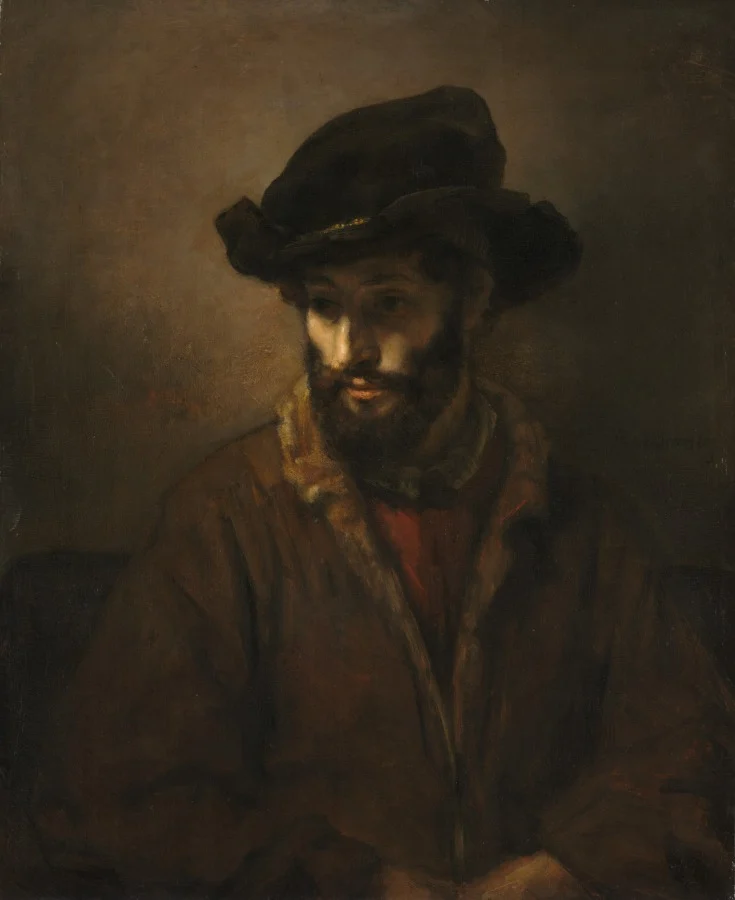
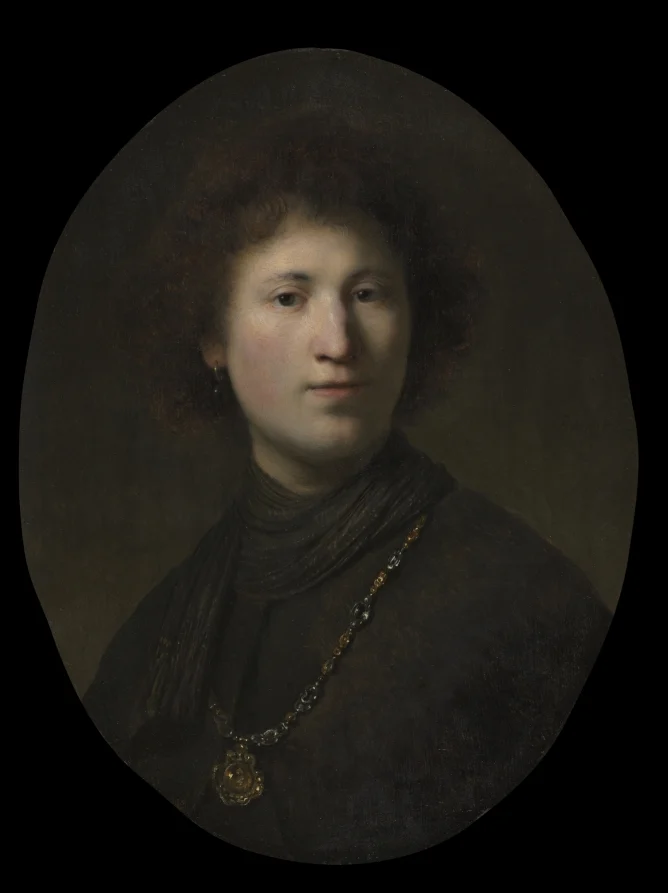
Texte d’exposition sourceDutch Painting, The Golden Age. The Cleveland Museum of Art, Cleveland, OH (organizer) (January 5-February 27, 1955).
In Memoriam: Leonard C. Hanna, Jr.. The Cleveland Museum of Art, Cleveland, OH (organizer) (March 4-April 7, 1958).
Style, Truth and the Portrait. The Cleveland Museum of Art, Cleveland, OH (October 1-November 19, 1963).
The Scholar in Art. The Cleveland Museum of Art, Cleveland, OH (April 19-28, 1968).
Dutch Art and Life in the Seventeenth Century. The Cleveland Museum of Art, Cleveland, OH (July 10-September 2, 1973).
Study purposes for Rembrandt exhibition in May 2002. National Gallery of Art (organizer).
Study purposes/The Apostle Paul. National Gallery of Art, Landover, MD (organizer) (March 17, 2000-March 17, 2001).
Rembrandt in America. North Carolina Museum of Art, Raleigh, NC (organizer) (October 30, 2011-January 22, 2012); The Cleveland Museum of Art, Cleveland, OH (February 19-May 28, 2012); Minneapolis Institute of Art, Minneapolis, MN (June 24-September 16, 2012).
Gallery One 2012. The Cleveland Museum of Art, Cleveland, OH (organizer) (December 12, 2012-March 5, 2017).
The Royal Gallery, The Hague, 1908-9
Special Loan Exhibition of Paintings by the Great Dutch Masters of the 17th Century, Galleries of Scott & Fowles Co., New York, 1914, no. 13
Rembrandt and his Pupils, The North Carolina Museum of Art, Raleigh, North Carolina, 1956, no. 28 (repr.)
Trends in Paintings: 1600-1800, Albright Art Gallery, Buffalo, 1957, p. 24, repr. p. 25.
Masterpieces of Art: In Memory of William R. Valentiner 1880-1958, North Carolina Museum 	of Art, Raleigh, North Carolina, April 6- May 17, 1959, no. 74, p. 134, repr. p. 135.
Style, Truth and the Portrait, The Cleveland Museum of Art, October 1-November 10, 1963, cat. no. 17 (repr.)
In Memoriam Leonard C. Hanna, Jr., The Cleveland Museum of Art, 1958, no. 71.
Dutch Art and Life in the Seventeenth Century, The Cleveland Museum of Art, July 10-Sept. 2, 1973 (no catalogue)
North Carolina Museum of Art (10/30/2011 - 1/22/2012), The Cleveland Museum of Art (2/19/2012 - 5/28/2012), and Minneapolis Institute of Arts (6/24/2012 - 9/16/2012): "Rembrandt Paintings in America: Collecting and Connoisseurship"
The Cleveland Museum of ArtFiabilité 100%