Atrás
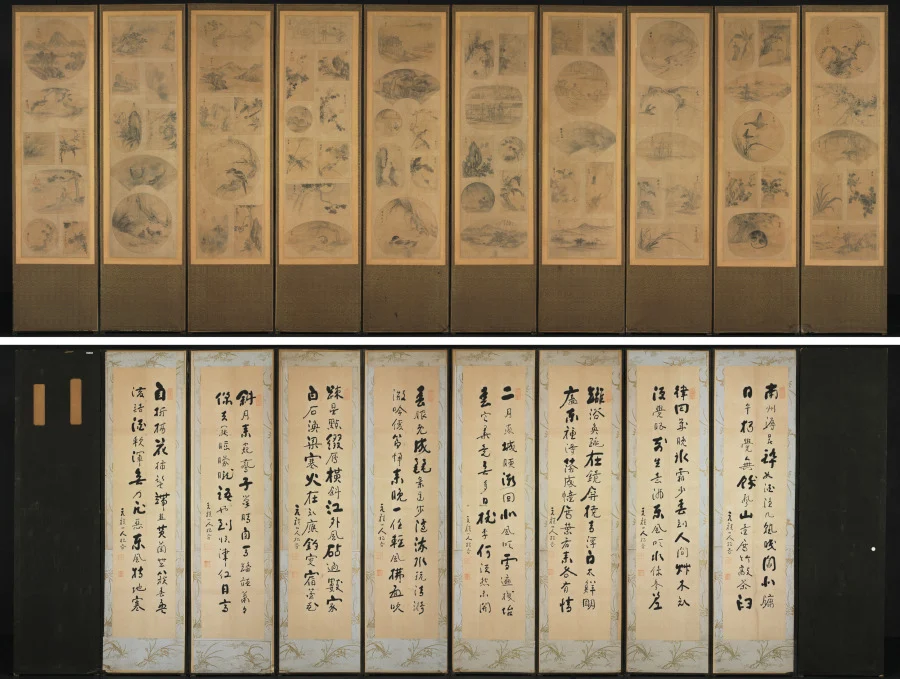
Calligraphy (reverse)
The Cleveland Museum of Art · Bequest of Gordon K. Mott
Museum

Calligraphy (reverse)

late 1800s

Análisis de mercado

Los hechos de ventas observadas, pruebas comparables, historial del índice y estudios modelados permanecen separados.

Pruebas públicas
Último precio conocido—0 matched observed sales
Mediana observada—
Ventas observadas0
Índice de artista—
Esta obra no tiene una venta observada normalizada con derechos autorizados. No se muestra un historial de precios artificial.
Índice de artista no disponibleNo existe un cálculo público completo del índice del artista.El contexto del artista no es una valoración de la obra.

Ventas comparables

Ventas públicas del mismo artista ordenadas por técnica, año de creación, dimensiones y antigüedad de venta.

Clasificado por pruebas
Ninguna venta comparable con derechos públicos cumple los criterios actuales. RELICT no rellena la tabla con datos exclusivos de investigación o de acceso bajo licencia.
Procedencia

Público
?-1955

Collection in Pusan, Korea, to Gordon K. Mott

1955-1998

Gordon K. Mott [1914-1998], Lakewood, OH, bequest to the Cleveland Museum of Art

1998-

The Cleveland Museum of Art, Cleveland, OH

Texto de procedencia de origen

Collection in Pusan, Korea, to Gordon K. Mott Gordon K. Mott [1914-1998], Lakewood, OH, bequest to the Cleveland Museum of Art The Cleveland Museum of Art, Cleveland, OH

The Cleveland Museum of ArtFiabilidad 100%

Exposiciones

Público
Texto de exposiciones de origen

The Lure of Painted Poetry: Japanese and Korean Art. The Cleveland Museum of Art, Cleveland, OH (organizer) (April 15-August 21, 2011). Old and New in Korean Art. The Cleveland Museum of Art, Cleveland, OH (organizer) (October 28, 2022-April 23, 2023).

The Cleveland Museum of ArtFiabilidad 100%
Obras públicas relacionadas

Obras cercanas del catálogo

Explorar catálogo →

Resumen con fuentes Evidencias

The front of this screen features an assortment of subjects: birds and flowers, landscapes, and scenes of everyday life, mostly in monochromatic ink with light colors. The screen’s reverse side conveys a number of classical poems about the fleeting beauty of the four seasons. Traditionally, only one side of a folding screen bears painted or embroidered images, since these were used as a background furnishing. In Korean houses by the 1800s and early 1900s, however, two-sided folding screens became noticeably popular, possibly inspired by Japanese double-sided folding screens, which mainly served as room dividers in Japanese households.

The Cleveland Museum of ArtFiabilidad 100%

Estado de las pruebas

Ventas observadas: 0 · Ventas comparables: 0 · Procedencia: 3 · Exposiciones: 2.

Place Of OriginShort DescriptionProvenance TextExhibition HistoryCredit Line