Comparable Sales
Same-artist public sales ranked by medium, creation year, dimensions and sale recency.
No public-rights comparable sales meet the current evidence criteria. RELICT does not fill the table with research-only or licensed-only facts.
Observed sale facts, comparable evidence, artist index history and modeled research remain separate.
Same-artist public sales ranked by medium, creation year, dimensions and sale recency.
(Heeramaneck Galleries, New York, NY, sold to the Cleveland Museum of Art)
The Cleveland Museum of Art, Cleveland, OH
(Heeramaneck Galleries, New York, NY, sold to the Cleveland Museum of Art) The Cleveland Museum of Art, Cleveland, OH
Asia House, New York City, "Rajput Painting," Dec. 3, 1960-Jan. 22, 1961. Main Asian Rotation (Gallery 245); December 31, 2013 - June 30, 2014.
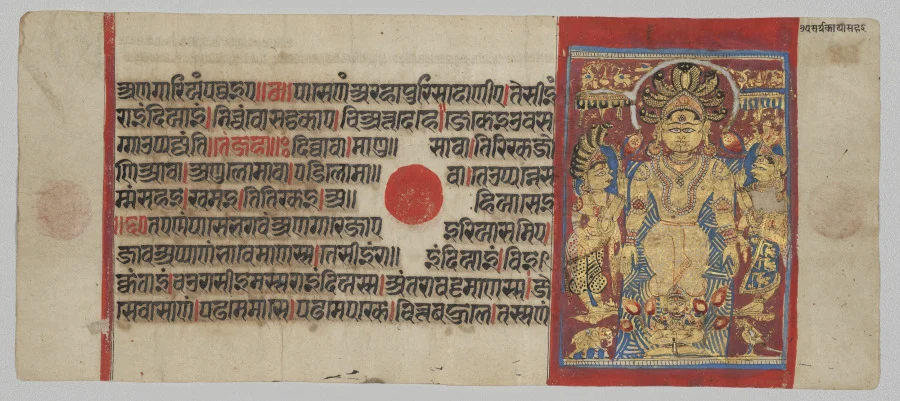
Unknown artist · 1495
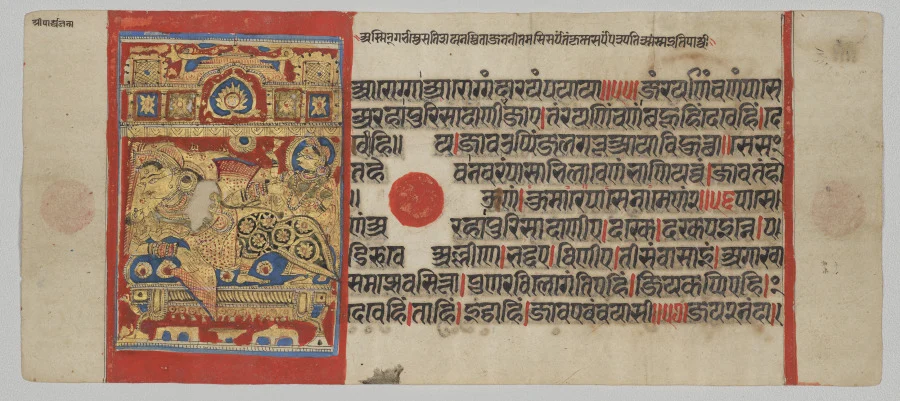
Unknown artist · 1495
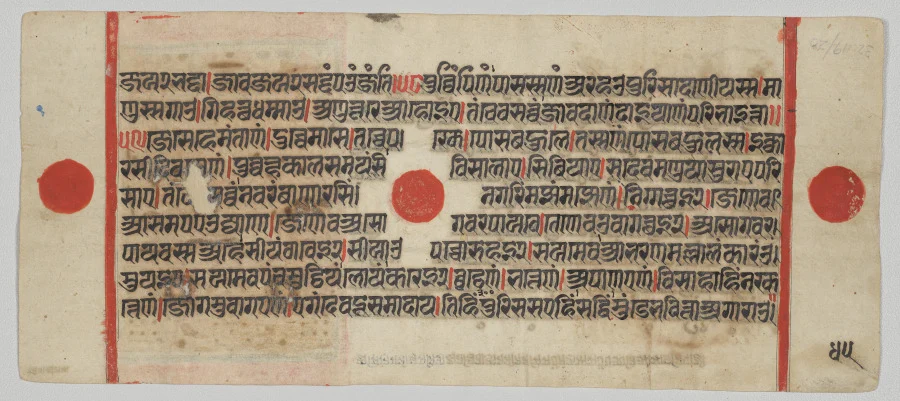
Unknown artist · 1495
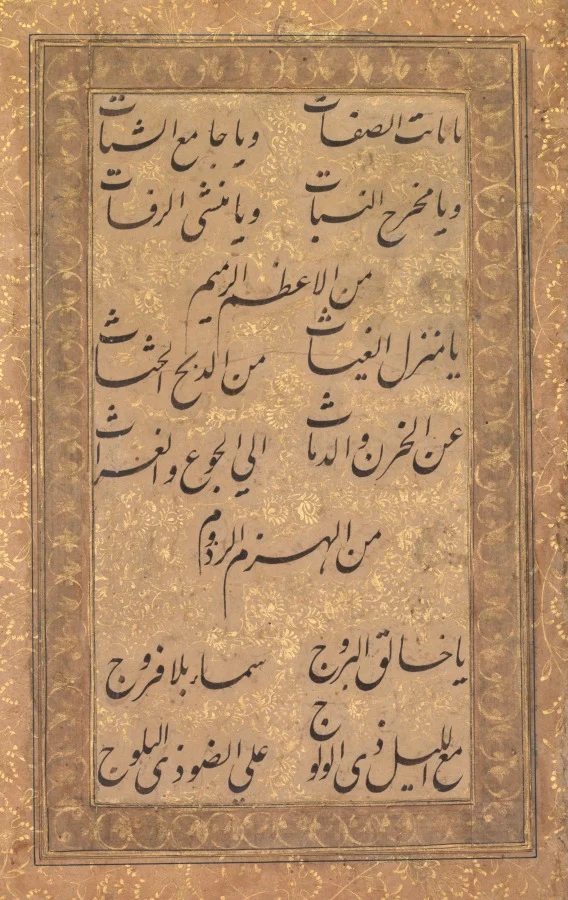
Unknown artist · 1500
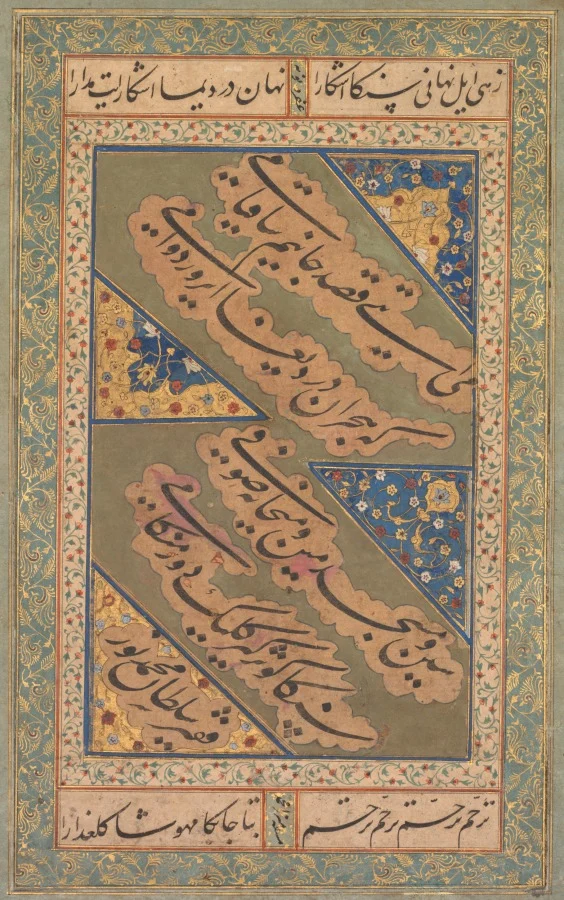
Mirza Muhammad (probably Persian, active c. 1520s) · 1500
Parshva stands in a yogic posture of meditation, bearing the hardship of the elements, unmoved. When stormwaters threatened his life, serpents shielded him so that he could complete his meditations and reach liberation. One cobra stretched his seven-hooded canopy over his head like an umbrella, while a serpent king and his wife praise him. The abstract gold lines on the blue background represent the waters that rose to the level of his shoulders. In this painting, the image of Parshva wears a white lower garment, which indicates that this manuscript was made for the prominent branch of Jainism that allows monks and nuns to wear white robes.
0 observed sales · 0 comparable sales · 2 structured provenance events · 0 structured exhibitions.