Comparable Sales
Same-artist public sales ranked by medium, creation year, dimensions and sale recency.
No public-rights comparable sales meet the current evidence criteria. RELICT does not fill the table with research-only or licensed-only facts.
Observed sale facts, comparable evidence, artist index history and modeled research remain separate.
Same-artist public sales ranked by medium, creation year, dimensions and sale recency.
(Ajit Ghose, Calcutta, India, sold to the Cleveland Museum of Art)
The Cleveland Museum of Art, Cleveland, OH
(Ajit Ghose, Calcutta, India, sold to the Cleveland Museum of Art) The Cleveland Museum of Art, Cleveland, OH
Art and Stories from Mughal India. The Cleveland Museum of Art, Cleveland, OH (organizer) (July 31-October 23, 2016).
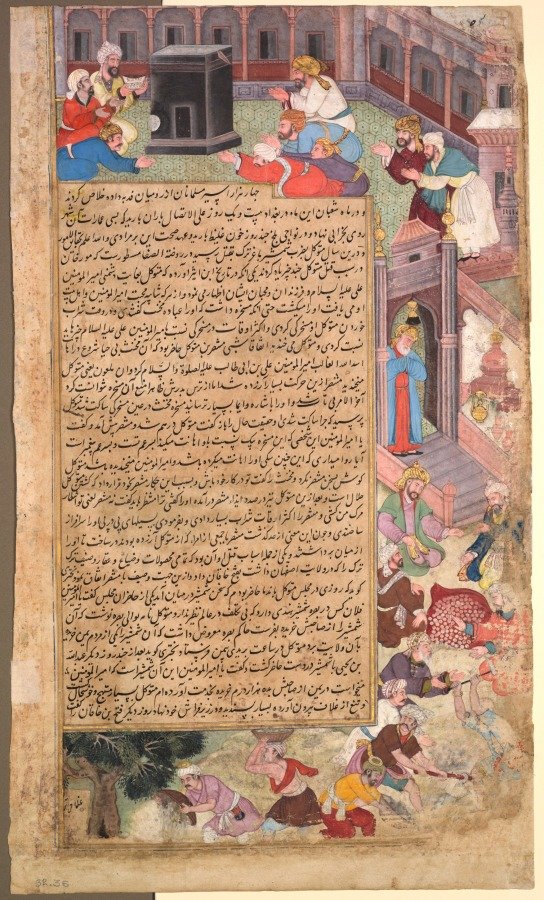
![Page of disasters, from the Tarikh-i Alfi (History of the Thousand [Years])](https://relict.cloud/storage/artworks/managed/b2/b2e38435de86ba84e0d29d92a20855dba8b2d6c1f2fab398ede1f938648c5c98.jpg)
Unknown artist · 1590
![Page of disasters, from the Tarikh-i Alfi (History of the Thousand [Years])](https://relict.cloud/storage/artworks/managed/76/76a53e53d520637b57db052a5b49edc9bbccc6ac32549b45c8a55013e91f4b2b.jpg)
Unknown artist · 1590
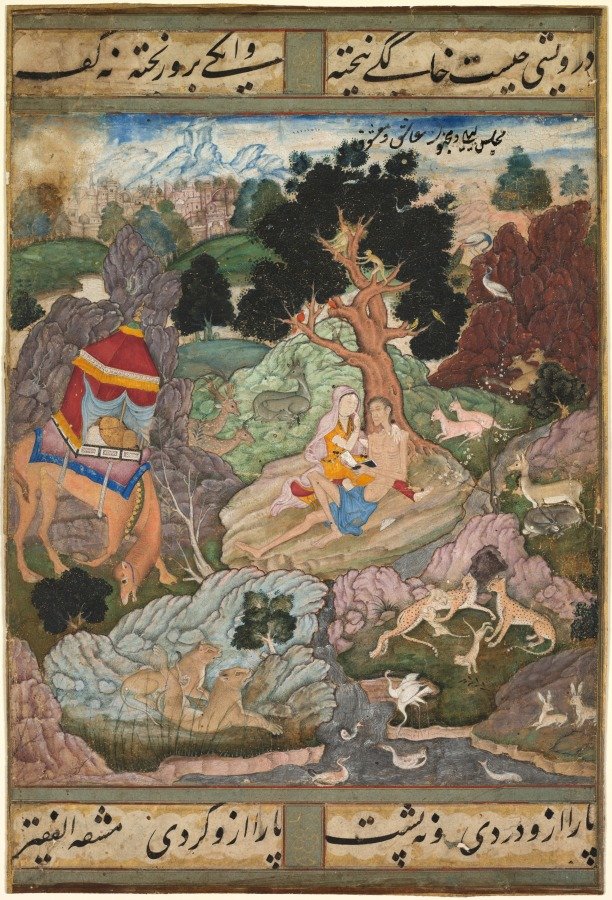
Sanwalah (Indian, active c. 1580–1600) · 1590

Basavana (Indian, active c. 1560–1600) · 1591

Lal (Indian, active c. 1555–1600) · 1591
A distinctive feature of this manuscript is the descriptive painting surrounding the blocks of text. At the top of this page is a depiction of the sacred center of Islam, the black stone structure called the Ka‘ba in Mecca that the Prophet Muhammad cleansed of pre-Muslim idols. The Ka‘ba is the endpoint of the Islamic pilgrimage that all Muslims are enjoined to make at least once during their lifetime. Remarkably, Akbar’s name appears on the page of the book held by a devotee, where only prayers or Qur'anic passages should be found. During the time of the caliph who persecuted Shi‘ites, Mecca experienced a drought. Fountains of water now were dry, and pilgrims had to buy water that was carried there.
0 observed sales · 0 comparable sales · 2 structured provenance events · 1 structured exhibitions.