Comparable Sales
Same-artist public sales ranked by medium, creation year, dimensions and sale recency.
No public-rights comparable sales meet the current evidence criteria. RELICT does not fill the table with research-only or licensed-only facts.

Observed sale facts, comparable evidence, artist index history and modeled research remain separate.
Same-artist public sales ranked by medium, creation year, dimensions and sale recency.
The Dowager Marchioness of Tweeddale, Marjorie Helen Wagg Nettlefold Hay [1899–1977], Scotland, cons...
(Sotheby's, July 11, 1972 sale, lot 121)
(Christie's South Kensington, Art of the Islamic and Indian Worlds, October 9, 2015 sale, lot 8, sol...
Nancy and Wayne Hunnicutt, California, given to the Cleveland Museum of Art
The Cleveland Museum of Art, Cleveland, OH
The Dowager Marchioness of Tweeddale, Marjorie Helen Wagg Nettlefold Hay [1899–1977], Scotland, consigned to Sotheby's (Sotheby's, July 11, 1972 sale, lot 121) (Christie's South Kensington, Art of the Islamic and Indian Worlds, October 9, 2015 sale, lot 8, sold to Nancy and Wayne Hunnicutt) Nancy and Wayne Hunnicutt, California, given to the Cleveland Museum of Art The Cleveland Museum of Art, Cleveland, OH
Temples and Worship in South Asia. The Cleveland Museum of Art, Cleveland, OH (organizer) (September 14, 2024-March 9, 2025).
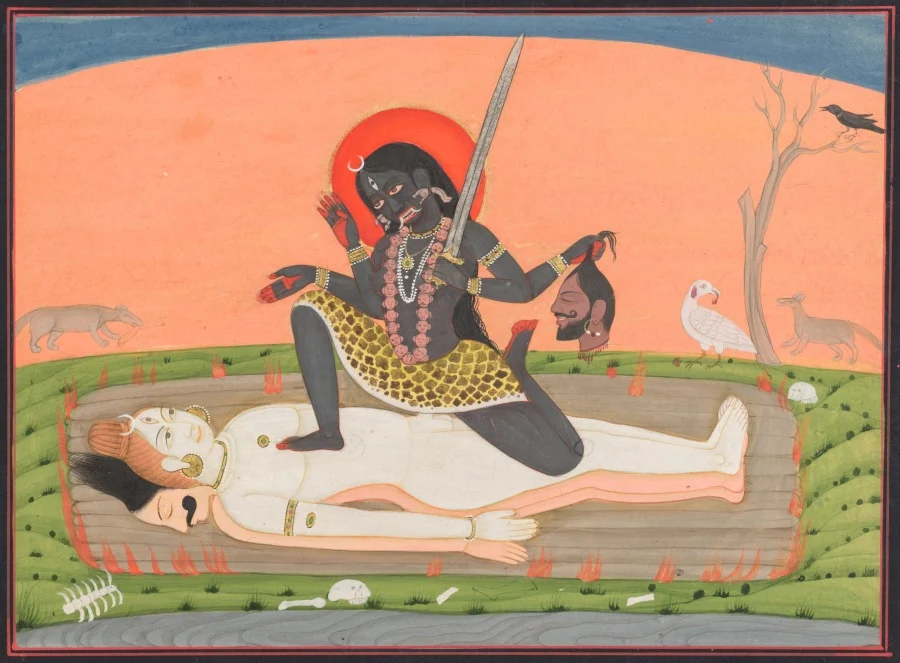
Unknown artist · 1805
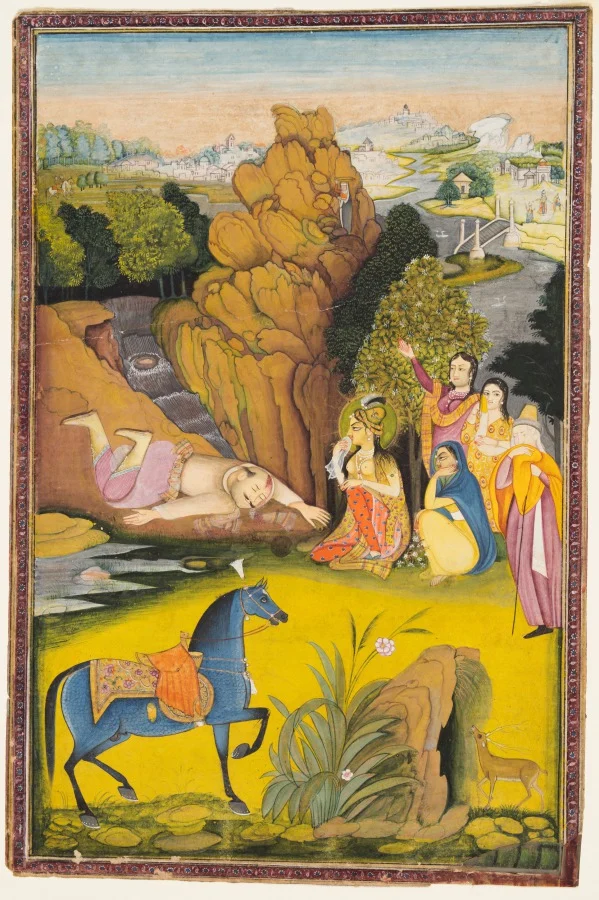
Amar Das Bhatti (Indian, active 1800s) · 1805
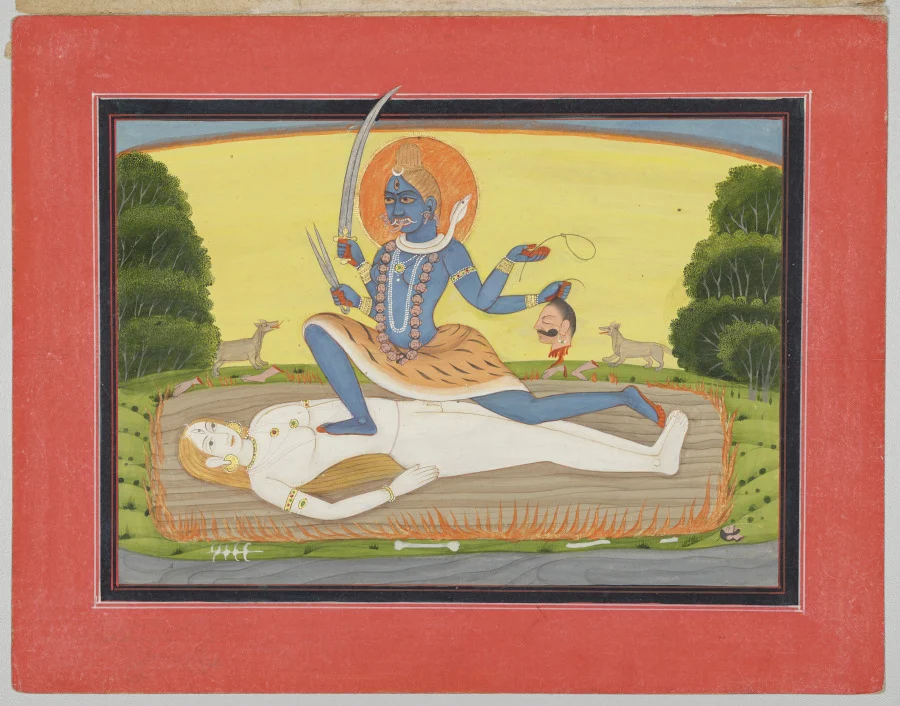
Unknown artist · 1805
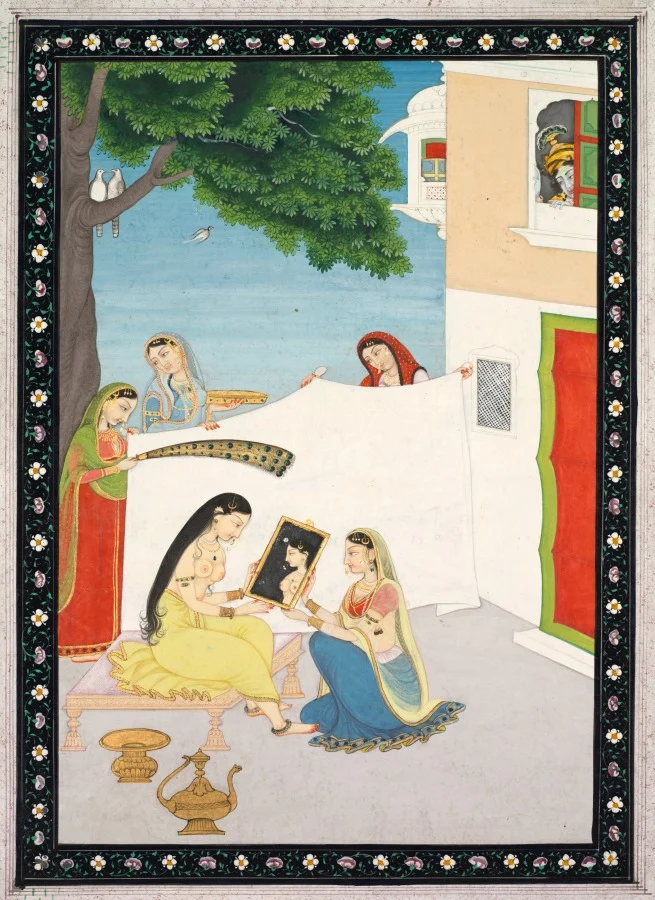
Unknown artist · 1805
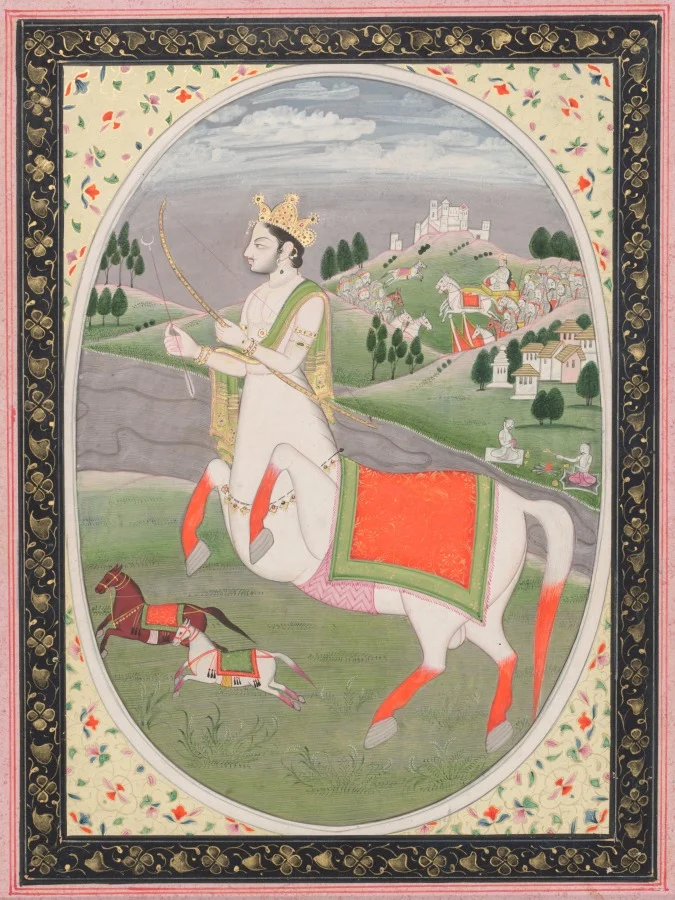
Unknown artist · 1805
The sacred space of a Hindu shrine is separated from the everyday world by an enclosure wall. The mount of the goddess, a tiger, perches on a pedestal in front, gazing into the sanctum. On either side of the doorway are the monkey god Hanuman and the elephant-headed Ganesha seated on his mount, the rat. They ensure protection and success of a devotee’s worship. <br><br>This powerful six-armed goddess has been dressed and adorned as a living presence. She holds a different weapon in each hand. She offered protection from disease or malevolent forces that endanger children to her devotees.
0 observed sales · 0 comparable sales · 5 structured provenance events · 1 structured exhibitions.