Young British Artists: Reassessing a Market-Defining Legacy
The Young British Artists are being reconsidered in solo retrospectives and a forthcoming Tate Britain exhibition. Their market dynamics—anchored by Charles Saatchi's large-scale purchases and profitable resales—continue to shape how art and branding intersect today.
From Freeze to Brand
In 1988, a group of young artists used a derelict warehouse in southeast London for their first group exhibition, "Freeze." It was the starting point for the Young British Artists, or YBAs, arguably Britain's most famous artistic group. Their rise in the early '90s paralleled a profound renaissance in London, and their legacy has ebbed and flowed with Britain's national image.
The YBAs were the beneficiaries—or maybe victims—of superb branding.
Saatchi's Market Blueprint
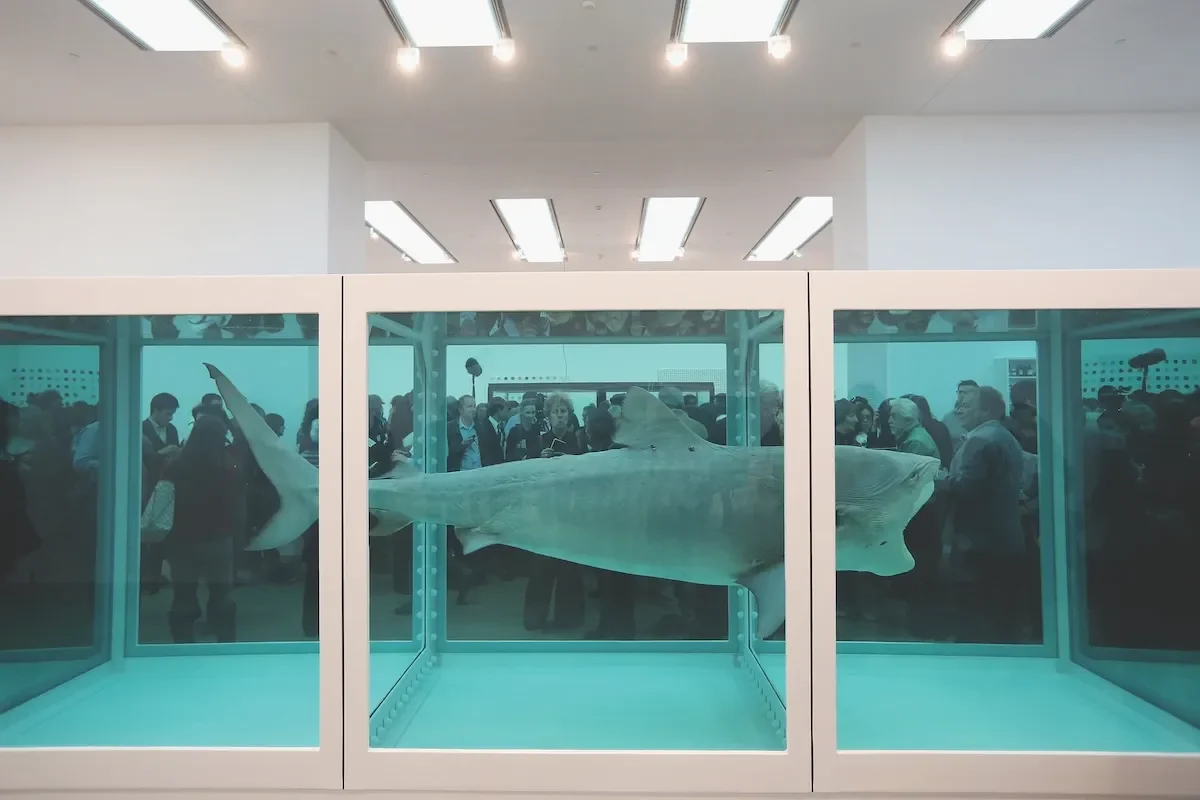
In 1992, advertising man and collector Charles Saatchi hosted the first "Young British Artists" exhibition at his gallery near Sloane Square, officially enlisting the moniker. It debuted Damien Hirst's The Physical Impossibility of Death in the Mind of Someone Living (1991). Saatchi purchased works directly from artists, including Marc Quinn's Self (1991) for £13,000 and Tracey Emin's My Bed (1998) for £150,000 in 2000. He resold them with mark-ups over 1,000 percent: Self for approximately £1.5 million in 2005 and My Bed for about £2.5 million in 2014.
The Sensation Effect
The 1997 Royal Academy exhibition "Sensation," drawn from Saatchi's collection, broke visitor records and drew criticism for essentially being a preliminary saleroom for one man's collection. Saatchi's strategic buying and promotion created a frenzy around the artists he collected, making his investments lucrative.
Price Records and Market Signals
The YBAs currently receiving the most attention in museums and the market are women. Jenny Saville's Propped (1992) sold for over £9 million in 2018, then a record for the most expensive work by a living female artist. Emin's post-cancer canvases have sold for seven figures, though none has beaten the £2.5 million record set by My Bed in 2014. Rachel Whiteread and Anya Gallaccio have grown into respected fixtures with installation or transient work.
The Establishment Paradox
The YBAs promoted themselves as disrupters, yet they were graduates of prestigious art schools aligned with major dealers and collectors like Saatchi and Jay Jopling of White Cube. Their media personas—Emin most famously—pulled in another direction. Institutional platforms conferred legitimacy even as some shows sparked controversy.
Legacy and the Market Today
Interest in the YBAs waned for about a decade after 1997, then revived around the 2012 London Olympics. Recent and forthcoming exhibitions—Tracey Emin at Tate Modern earlier this year, Jenny Saville at the National Portrait Gallery in 2025, Sarah Lucas at Tate Britain in 2023, and "The 90s: Art and Fashion" at Tate Britain in October—continue to reexamine the group. Hirst's work now rivals that of Jeff Koons in seeming specifically conceived for asset-class collectors; his "Treasures from the Wreck of the Unbelievable" series was said by him to have earned a final total of $330 million. The YBA moment, as the article argues, was defined by a Faustian sale of the self to the highest bidder that encapsulates the intensifying symbiosis of the market and art itself.