US Embassy Removes Kehinde Wiley Painting, Weighs Sale
A monumental Kehinde Wiley painting commissioned for the US embassy in the Dominican Republic has been deinstalled. Officials are now exploring its sale, with the ambassador citing ideological concerns.
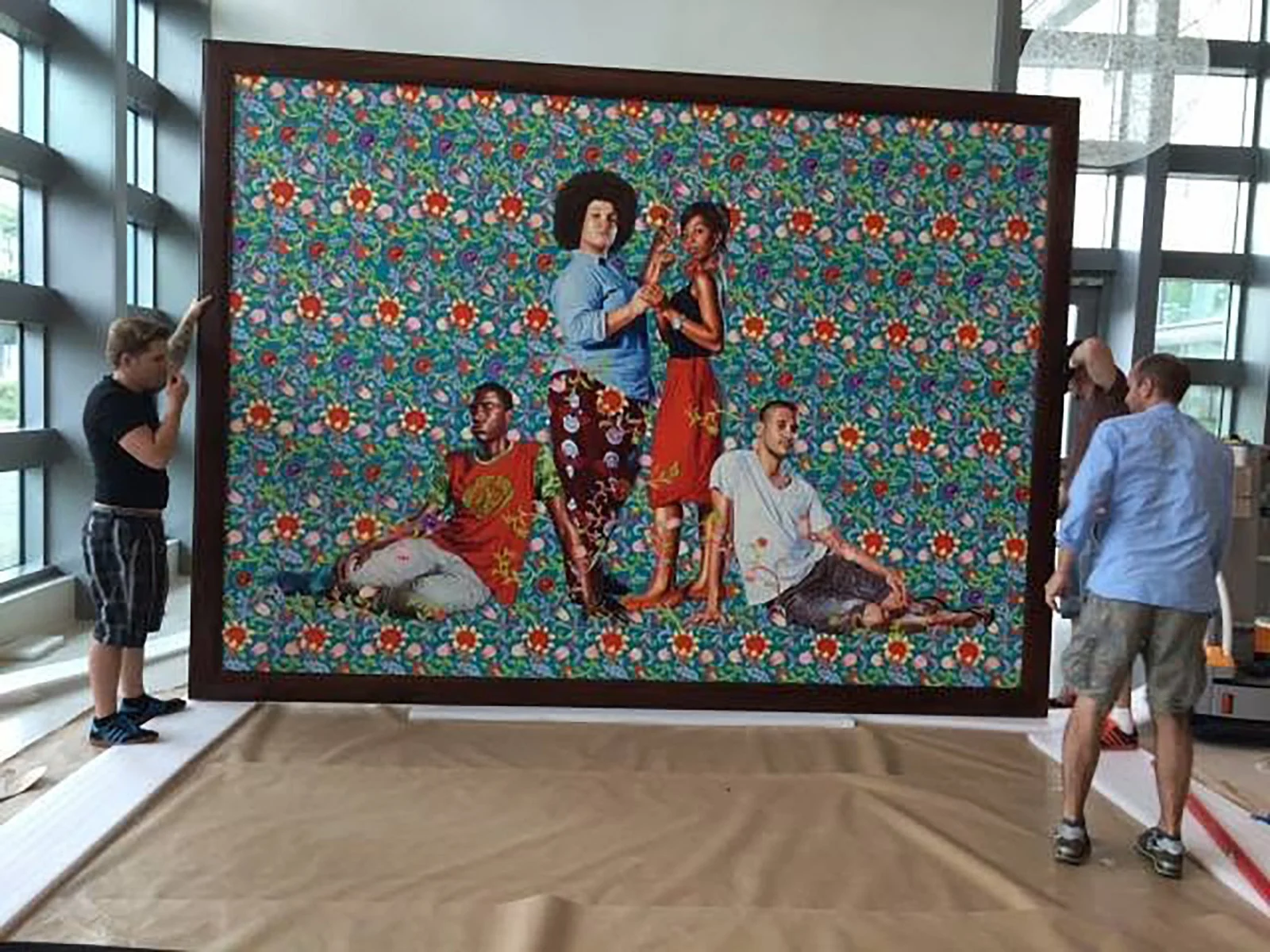
A monumental painting by Kehinde Wiley, commissioned for the US embassy in the Dominican Republic, has been removed from display. The deinstallation was confirmed by officials, who are now exploring the possibility of selling the work. The move underscores a shifting policy environment for publicly commissioned art.
Ambassador Leah Campos described the painting as an example of “globalist and woke ideologies,” framing the removal as part of a broader reassessment of cultural assets. The ambassador’s statement signals a more ideologically driven approach to the management of state-held artworks.
Kehinde Wiley, best known for his portrait of Barack Obama, has been a major figure in contemporary art, with works commanding significant prices at auction. His commissions for public institutions have often sparked debate, but a sale would mark a rare instance of a federally commissioned piece being liquidated.
The embassy’s decision to deinstall the painting raises questions about the future of similar commissions. If sold, the work could enter the private market, where interest in Wiley’s art remains strong. Auction data from recent years shows consistent demand for his large-scale canvases, particularly those with historical references.
For collectors and market observers, the potential sale offers a rare opportunity to acquire a work with significant institutional provenance. However, the political context may influence its reception, as buyers weigh not only aesthetic value but also the circumstances of its removal.
Institutions and private collectors alike are monitoring the situation. A sale at auction or via private treaty would likely attract attention, given the artist’s standing and the work’s origins. The outcome could set a precedent for how politically contentious public artworks are handled.
While no sale has been confirmed, the exploration indicates that the painting may soon leave the government’s collection. The process for disposing of such artworks typically involves appraisal, legal review, and potential transfer to a museum or auction house.
The removal of a federally commissioned painting from an embassy signals a shift in how public art is valued.
The art world will be watching closely, as this case touches on the intersection of politics, public funding, and the commercial art market.