Six Artworks Inspired by Homer’s Odyssey: From Turner to Bearden
Turner’s epic seascape and Bearden’s collages reinterpret Homer’s poem, bridging myth and history. The artworks remain in major collections, from the National Gallery to a touring Smithsonian show.
Homer’s Odyssey in Art
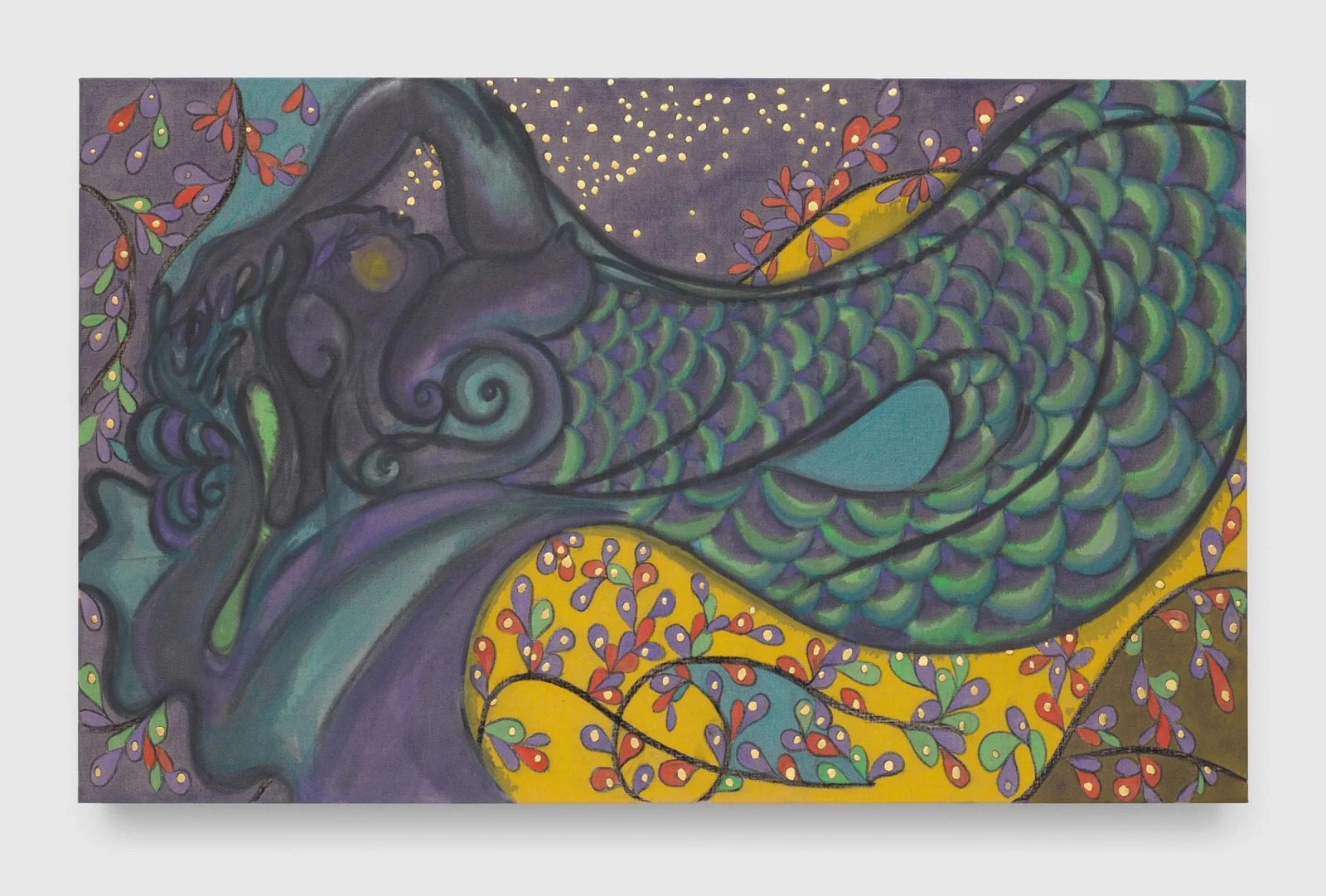
Homer’s Odyssey has inspired nearly thirty centuries of visual interpretations, from ancient Greek vases to contemporary sculpture. At the Metropolitan Museum of Art, an ancient terracotta depicts Odysseus and his nurse Eurykleia, while elsewhere an oil painting renders Calypso as a mermaid in purple, graphite, and gold leaf. More recently, Paul Chan’s inflatable sculptures generate their own "moving images" as they breathe and wriggle, echoing the poem’s enduring resonance.
The six artworks highlighted here bring the epic into dialogue with varied cultural traditions, positioning myth as a force that traverses time and space. Among them, two stand out for their historical and thematic weight: J.M.W. Turner’s Ulysses Deriding Polyphemus (1829) and Romare Bearden’s A Black Odyssey series (1977).
Turner’s Polyphemus
J.M.W. Turner, often heckled for his unconventional techniques, used his hazy style to capture Odysseus’ escape from the Cyclops Polyphemus in Book 9. The painting shows the hero boasting a red banner as sea creatures celebrate at the ship’s prow, while Polyphemus looms as a distant, indistinct threat. Sunrays of victory rise in the east, but the ship sails toward muddier unknowns, hinting at trials ahead.
English art historian John Ruskin called it "the central picture of Turner’s career." The work has been a prized possession of the National Gallery in London for over a century.
Turner’s painting remains a cornerstone of the National Gallery’s collection, underscoring its enduring market and institutional value.
Bearden’s Black Odyssey
Romare Bearden’s A Black Odyssey series, created in 1977, recasts Homer’s themes of dislocation and longing within an African-American context. Across 20 collages, Bearden transforms the epic into a vehicle for the Black Atlantic historical imaginary. "The Sea Nymph," depicting Odysseus rescued by the goddess Ino, centers Black subjects and presents the ship as a metaphor for the Middle Passage and the tragedies of the transatlantic slave trade.
Writer Ralph Ellison praised Bearden’s "[s]urreal blending of styles, values, hopes and dreams which characterize much of Negro American history." The series toured from 2012 to 2015 in a Smithsonian exhibition, concluding at Columbia University’s Wallach Gallery, near Bearden’s former Harlem home.