Photography Festival Shifts Focus to Marginalized Narratives
The 57th Rencontres d'Arles draws 22,000 visitors, showcasing 47 exhibitions. Director Christoph Wiesner emphasizes complexity and attentiveness, centering voices historically marginalized by the Western canon.
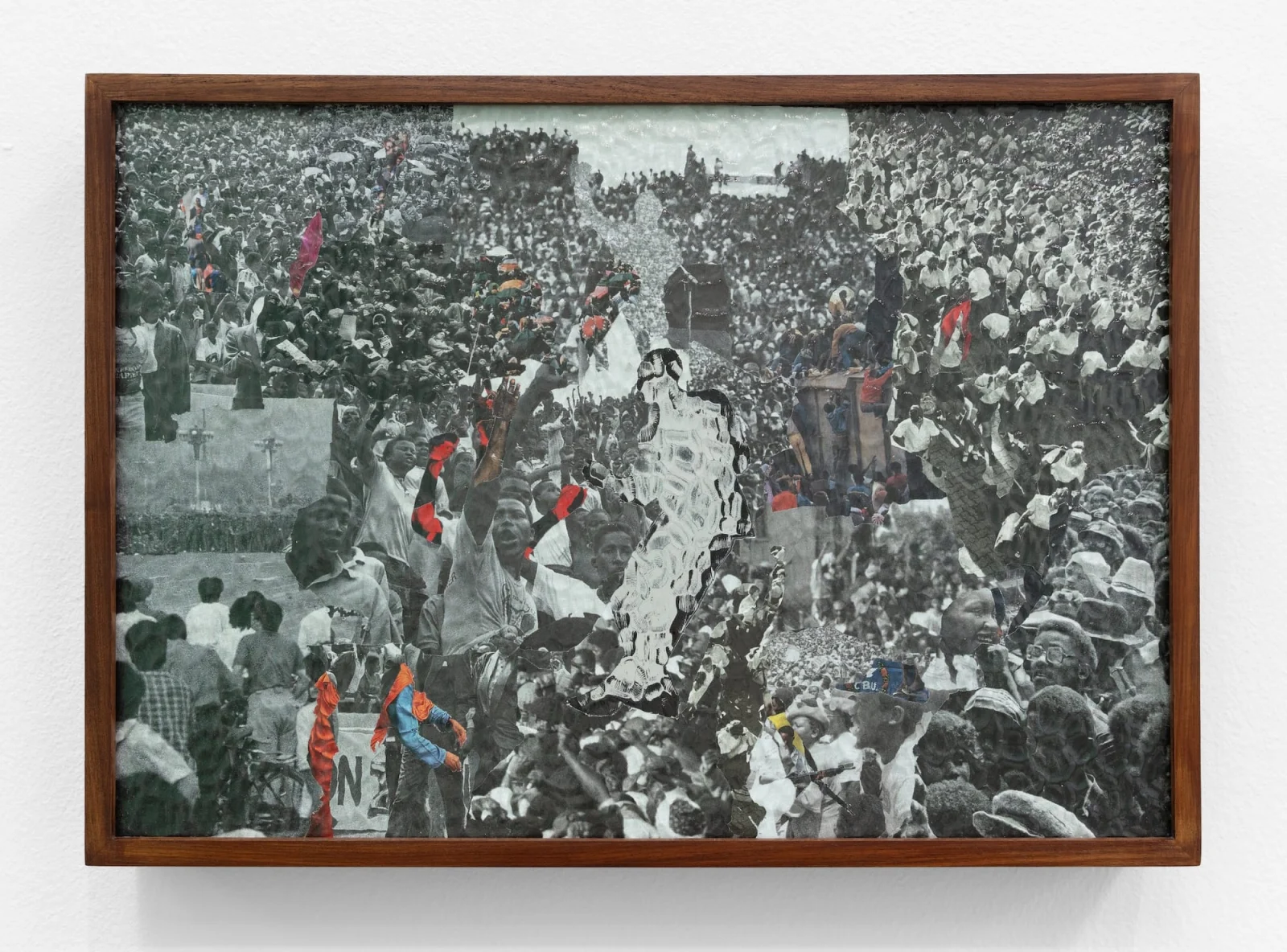
The 57th edition of the Rencontres d'Arles photography festival opened in July, transforming the ancient streets of Arles, France, into a sprawling exhibition ground. With 47 shows spread across Roman and medieval structures, the festival drew 22,000 visitors during its opening week — nearly half the town's population. Attendees navigated the heat with misters and fans, a new staple of European summers in the age of climate crisis.
The festival's director, Christoph Wiesner, framed this year's edition as a response to a world pushing toward "simplification, division and reduction." In the catalog, he stated the festival would create a space for "complexity and attentiveness." This year, that space is dedicated to those whom the Western canon long consigned to its margins, though the festival avoids that vocabulary.
Over 115 public events punctuated the first week, including artist panels, curator tours, book signings at the Arles Books Fair, and an open-air cinema program from the documentary platform Tënk. Most were free, reinforcing the festival's accessible ethos. Unofficial gatherings still required knowing the right people, a familiar dynamic in the art world.
Perry Shimon, contributing editor at Autre and curator of Filoxenia: Queer Joy in the Mediterranean, a film and photographic project at the festival, noted its relative lack of pretension compared to other art events—though longtime attendees might disagree. Shimon's project exemplifies the festival's thematic turn toward inclusive narratives.
One exhibition, The Best Possible Way to Tell the Truth…, curated by Nadine Hounkpatin, features Charlotte Yonga, among others. The selection underscores a deliberate shift away from traditional centers of photographic attention.
The festival runs through October 4, with a season pass priced at €42. Its scale and thematic focus suggest a growing institutional appetite for reexamining whose stories dominate visual culture. For collectors and market observers, this programming signals where curatorial interest—and potentially acquisition attention—is heading.
As climate pressures reshape even elite cultural events, the Rencontres d'Arles demonstrates how festivals adapt, both physically and thematically. The move toward complexity and attentiveness marks a notable evolution for an event long associated with photographic tradition.