Peter Max, Psychedelic Art Icon, Dies at 88
Peter Max, whose Day-Glo paintings defined the Flower Power aesthetic, died September 18 in a New York hospital at 88. He had Alzheimer's-related dementia.
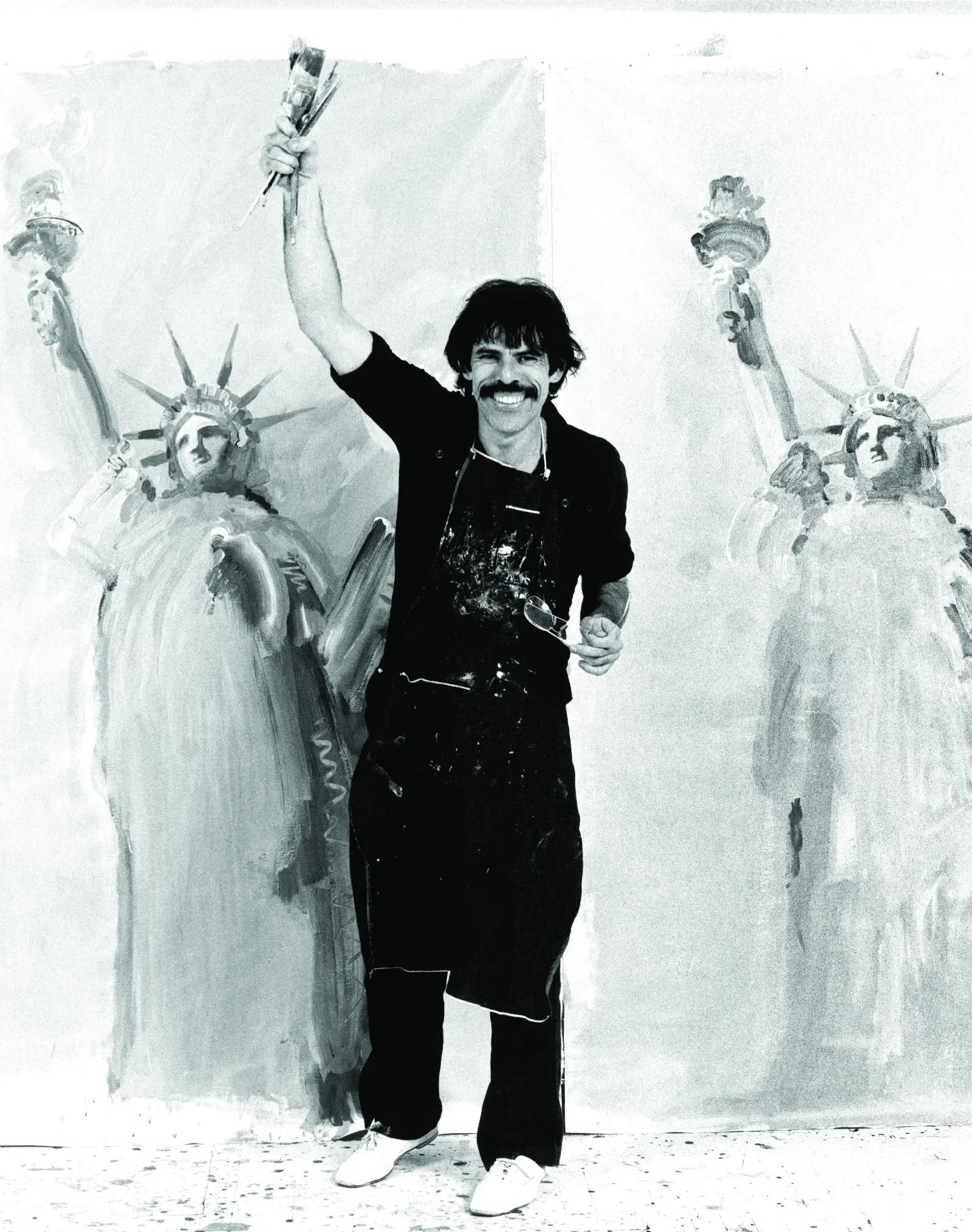
Peter Max, the artist whose vibrant Day-Glo paintings became a defining visual language of the 1960s Flower Power era, died on September 18 in a New York hospital. He was eighty-eight. The artist had previously suffered from Alzheimer’s-related dementia. His death was confirmed by his son, Adam Max, and by Park West Gallery.
Max’s trippy, color-saturated works came to symbolize the psychedelic aesthetic of the 1960s. His practice was marked by extraordinary productivity, a trait that made his imagery ubiquitous across posters, album covers, and commercial collaborations. That prolific output helped embed his visual vocabulary in popular culture, while also raising questions about the boundaries between fine art and mass reproduction.
A Prolific Career
The source material describes Max as “an astoundingly prolific” artist. That description underscores a career defined by volume and visibility. His Day-Glo paintings were not confined to gallery walls; they circulated widely, becoming part of the era’s broader visual identity. This dual presence—in both art and commerce—shaped perceptions of his work and its market over time.
Peter Max’s death was confirmed by his son, Adam Max, and by Park West Gallery.
Market and Legacy
For collectors and the art trade, Max’s passing closes a chapter on an artist whose name became synonymous with a particular moment in American cultural history. His works have long been traded, and his prolific output means that supply remains a persistent feature of his market. The confirmation by Park West Gallery, a frequent collaborator in his later career, highlights the commercial dimension that was integral to his practice.
Max’s legacy is tied to the 1960s, but his influence extended through decades of continued production. The Alzheimer’s-related dementia he suffered adds a poignant note to the final years of an artist whose public image was one of boundless energy and color. As the art world absorbs the news, attention will naturally turn to how his estate and existing collections are managed.
No details regarding a memorial, estate plans, or market impact were included in the supplied material. What remains clear is the loss of an artist whose Day-Glo vision left an indelible mark on the visual culture of his time.