Klesch Collection founders fund art history and AI fellowship at Birkbeck
The founders of the Klesch Collection are funding a fellowship at London's Birkbeck for an early-career researcher exploring art history's intersection with AI and digital technologies.
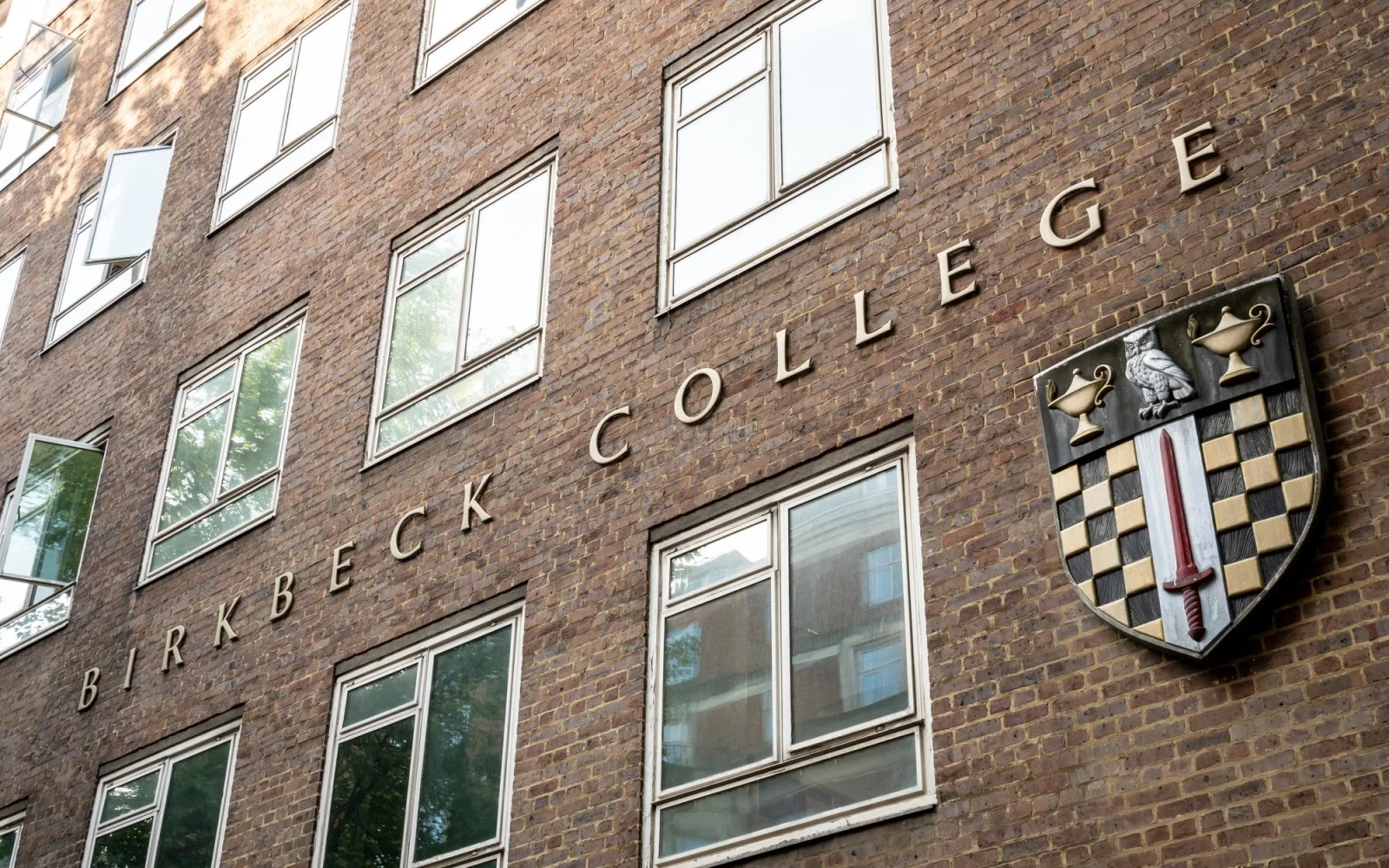
A new fellowship at Birkbeck, University of London, will support early-career research at the intersection of art history and artificial intelligence. The position is funded by the founders of the Klesch Collection, a private collection with an international scope, marking a notable convergence of private collecting, academia, and emerging technology.
The fellowship aims to attract a researcher 'redefining how art history is studied in the age of artificial intelligence and digital technologies,' according to the announcement. This focus signals a growing institutional interest in how machine learning, digital imaging, and data-driven methods are reshaping the discipline.
For collectors and the art market, this initiative reflects a broader trend: private collections are increasingly extending their influence beyond acquisitions into educational philanthropy. By underwriting academic posts, collectors can shape research agendas and position themselves at the forefront of methodological change.
The choice of Birkbeck is significant. The institution is known for its part-time and evening study model, attracting a diverse student body. A fellowship here could broaden access to advanced art historical training at a moment when digital skills are becoming essential in museums, galleries, and auction houses.
The fellowship's focus on AI is timely. Art market participants are already deploying machine learning for authentication, provenance research, and price prediction. Investing in scholarly expertise could yield new frameworks for handling digital archives, analyzing visual patterns, and addressing questions of authorship and authenticity.
While the announcement does not specify the fellowship's value, duration, or research parameters, its existence underscores a growing alignment between private wealth and academic innovation. It also highlights how philanthropy can serve both public intellectual life and the strategic interests of collectors.
The Klesch founders' move shows private collections are funding research that could shape how the market understands and uses AI in the future.
For those tracking art and wealth, this fellowship is a reminder that the impact of private collections is no longer measured solely by acquisitions and exhibitions. Institutional partnerships are becoming a key vehicle for legacy building and influence.
As AI continues to penetrate art historical practice, the outcomes of such fellowships may inform everything from museum cataloguing to the valuation of digital art. That makes this appointment one to watch for professionals navigating the intersection of art, technology, and capital.