Guatemala’s Museo de Arte Colonial to Reopen After Court-Ordered Closure
Antigua’s Museo de Arte Colonial, shuttered last December after a court-ordered raid, is set to reopen. Its collection of 287 colonial works remains intact, ending months of uncertainty.
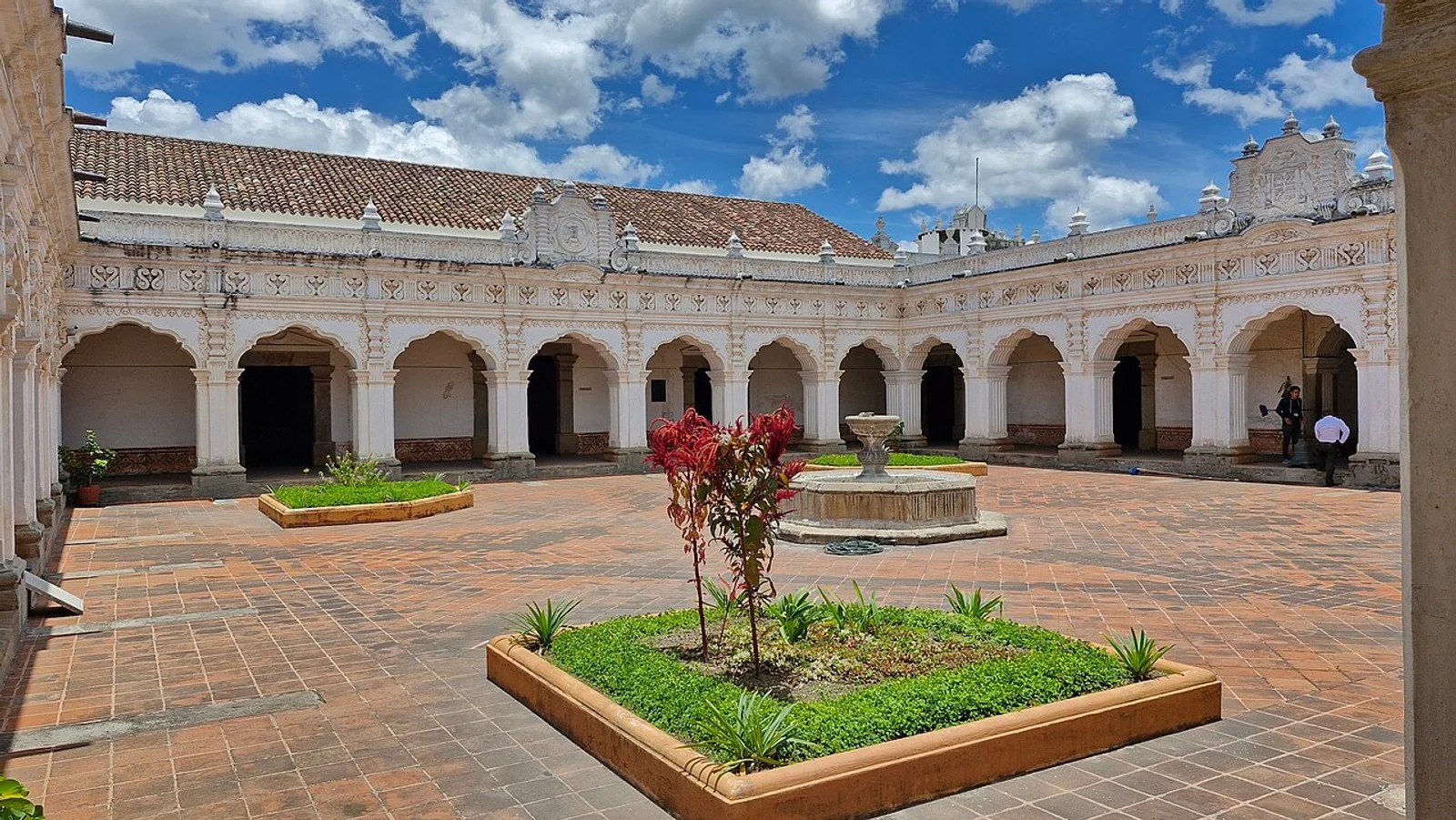
The Museo de Arte Colonial in Antigua, Guatemala, is preparing to reopen after an abrupt closure last December that left its 287-work collection in limbo. The museum, a key repository of colonial-era art, was shut following a court-ordered raid, a move that surprised the local cultural sector and disrupted public access to its holdings.
For months, the fate of the collection—spanning paintings, sculptures, and decorative objects from the colonial period—remained uncertain, with staff, scholars, and visitors awaiting clarification on legal and administrative procedures. The reopening signals a resolution to the institutional standoff, though detailed terms of the court ruling have not been fully disclosed.
Institutional impact
The closure had immediate consequences for Antigua’s cultural landscape. As one of the region’s most significant colonial art museums, its shutdown deprived residents and tourists alike of access to works that document Guatemala’s artistic heritage. The raid and subsequent closure also raised questions about governance and legal oversight in cultural institutions, a topic of growing relevance among museum professionals.
The museum’s reopening is expected to restore regular programming, though no specific exhibition schedule has been announced. The collection’s intact status offers a measure of relief to stakeholders who had feared potential damage or loss during the closure period.
The case underscores the vulnerability of museum collections to legal and administrative disruption, a risk that can strike even well-established institutions.
Broader implications
For the art market and collecting community, the episode serves as a reminder of the operational risks inherent to institutional stewardship. Museums facing court orders, custody disputes, or regulatory interventions may find collections temporarily inaccessible, affecting loans, research, and public engagement. Such disruptions can also influence private collectors’ decisions regarding long-term loans or donations.
While the immediate crisis has passed, the long-term effects on the museum’s reputation and operational resilience remain to be seen. Cultural institutions across Latin America will likely monitor the aftermath closely, particularly regarding legal frameworks governing state-run museums.
The reopening is a positive development for Antigua’s cultural sector, but it also highlights the need for robust legal and administrative safeguards to protect heritage assets. As the museum resumes its role, its experience may inform policy discussions on museum governance in the region.