Basque Museum’s Inclusive Vision Offers Counterpoint to Right-Wing Attacks on Culture
The Musée Bonnat-Helleu’s thematic hang and myth-focused show champion public-centered curation. Its director’s stance contrasts with broader European and US moves toward conservative, Western-centric museum leadership.
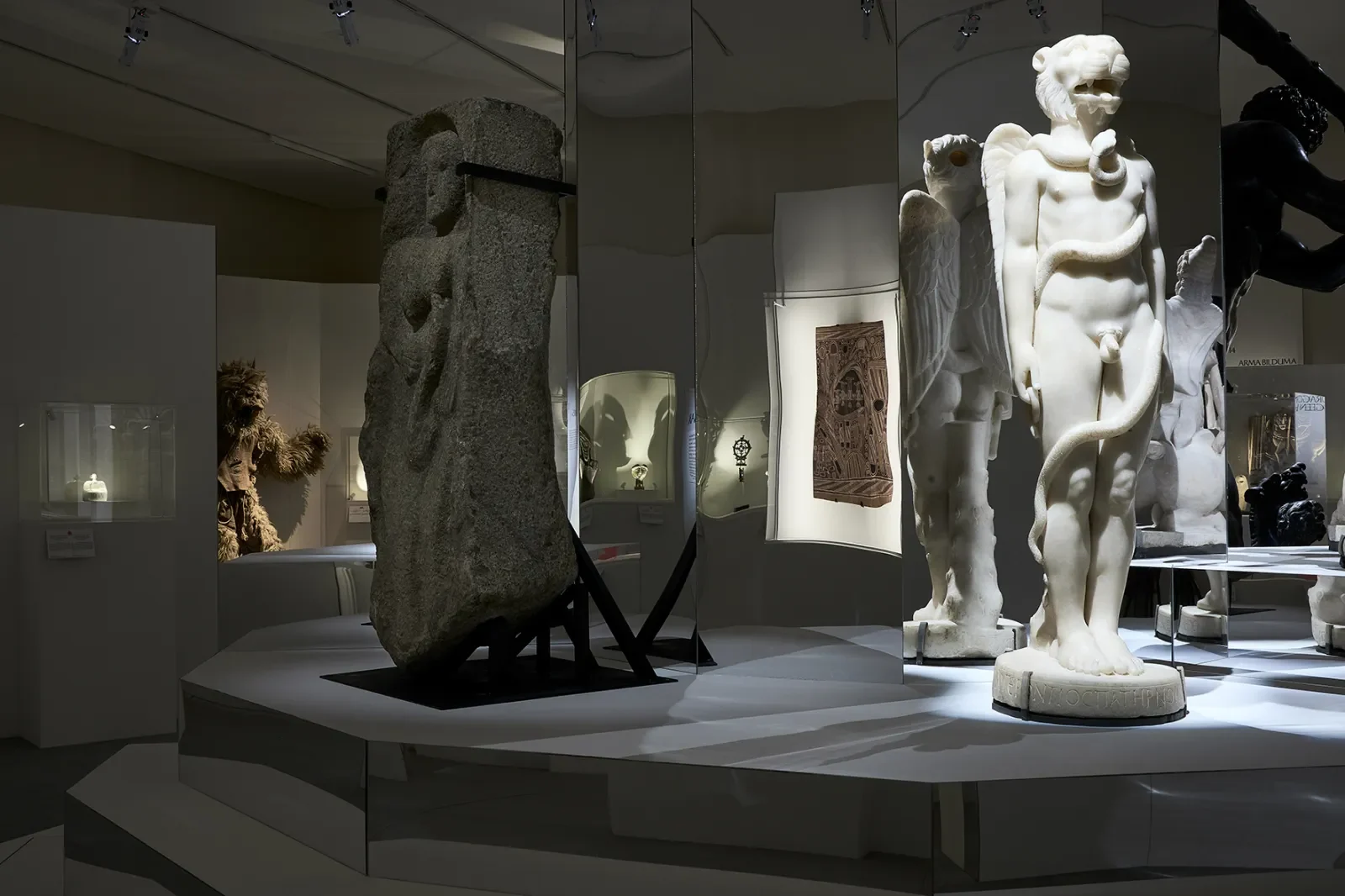
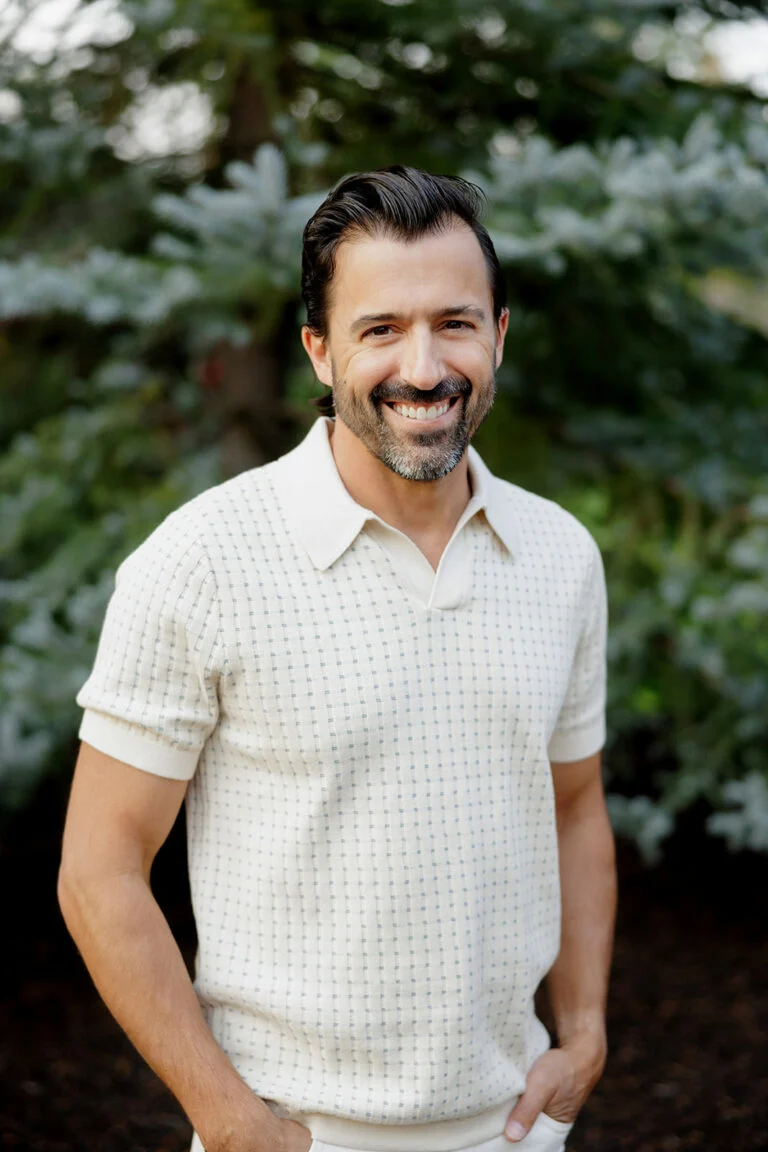
In France’s Basque Country, the Musée Bonnat-Helleu—nicknamed the “Little Louvre”—has reopened after 14 years of renovation that doubled its exhibition space, now holding some 7,000 artworks from antiquity to the early 20th century. A new director, 33-year-old Barthélémy Etchegoyen Glama, a Basque native, took the helm ten months before the reopening. Last month, the museum presented its first temporary exhibition since reopening, “Mythologies: To Tell the Story of the World,” on view through November 9, with rare loans from the Louvre and the Quai Branly museum.
A Thematic, Cross-Cultural Approach
The exhibition deliberately mixes objects across time and geography—a Basque lamina mask, a Louvre-loaned Homer bust, Raphael’s Saint George and the Dragon, Syrian icons of the same subject, and a 2025 “Hartza” man-bear carnival figure. The curatorial method shows “recurring themes and figures that speak to our shared humanity,” Etchegoyen Glama said, calling it “a kind of manifesto for the museum we want.” The new permanent hang, the “Gallery of the Bodies,” adopts a similar thematic approach, connecting representations of bodies from ancient Egypt to 19th-century France, rather than separating by nation or school.
This inclusive, public-centered vision runs counter to a growing conservative backlash across Western countries. The most extreme example is the Trump administration’s attacks on the Smithsonian, called in a 2025 executive order “divisive, race-centered.” In Europe, Italy’s right-wing government has reshaped cultural institutions with new leadership, and the cancelled Caribbean art show at the Centre Pompidou-Metz—though attributed to financial and curatorial issues—has been cited by critics as politically motivated.
Leadership Shifts at Major Museums
French insiders, speaking on background, point to the recent Louvre leadership change as a sign. Former president Laurence des Cars, whose approach was described as “promoting social issues through art,” resigned in February after a jewel theft. Her successor, Christophe Leribault, critics say, will likely move the Louvre toward a more French and Western-centric vision, with plans to reduce the contemporary art program. The Bayonne museum’s show, by contrast, has drawn early critical acclaim, a direct counterpoint to a more classical, academic model.
Etchegoyen Glama, who once advised Des Cars, sees a growing divide in the museum world over these questions. “What’s going on in the museum field is a reflection of what is going on in society at large,” he said. A decade ago, French institutions embraced the museum’s “social responsibility,” championing it as a forum “open to a plurality of voices.” Now, some are “going back to a previous period.”
Art historian Anne Lafont, a member of the Louvre’s scientific council, agrees there is “a form of regression” concerning colonialism and racial history in art scholarship, even if inclusion of women artists continues. She recalls the watershed 2019 “Modèle Noir” exhibition at the Musée d’Orsay, co-curated by Denise Murrell, as a moment when “a window was opening in France,” but fears it may be difficult to keep open.
The Musée Bonnat-Helleu’s model—placing public engagement at the center—offers a deliberate counter to the conservative turn in museum leadership across Western institutions.
Meanwhile, the International Council of Museums (ICOM) adopted a new code of ethics in June emphasizing “social justice” and “open dialogue”—criticized by the French press as politicizing museums. The Network of European Museum Organizations’ 2024 report found European museums face political influence over budgets, leading to self-censorship. Yet curator Anne Dressen, surveying labels and texts, sees museums rethinking terminology and acknowledging dubious provenance, a shift she says is incomparable to 15 years ago.
Etchegoyen Glama frames the Musée Bonnat-Helleu’s method as reaching a “less exclusive” public, letting visitors “enter the collection and the history of art first through their feelings and senses.” He insists, “It’s a vision of the museum that is worth fighting for, because here, the public is at the center.” The museum’s thematic hang and mythology show serve as proof that such a vision can thrive, even amid wider institutional pressure.