Amsterdam's Allard Pierson Returns Ancient Vase to Sicily After Provenance Research
The Allard Pierson museum in Amsterdam has returned an ancient vase to Sicilian authorities after research uncovered its problematic provenance. Rogier Kalkers hopes the restitution will be a stepping stone towards further collaboration.
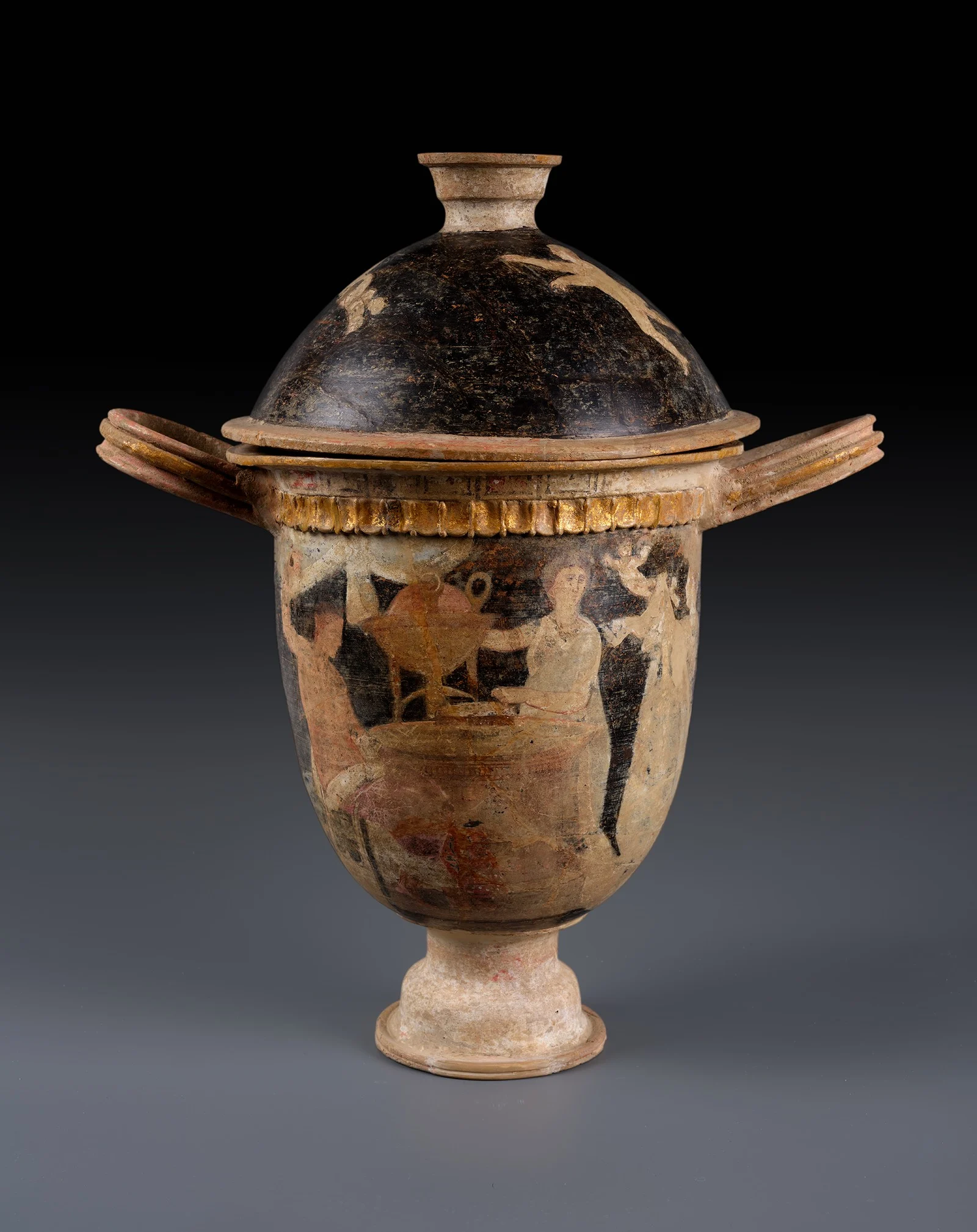
A Dutch Museum Returns an Ancient Vase to Sicily
Amsterdam's Allard Pierson museum has returned an ancient vase to Sicilian authorities, following research that uncovered its problematic provenance, according to The Art Newspaper.
The restitution follows provenance research that identified the object's problematic history.
Rogier Kalkers of the Allard Pierson said he hopes the restitution will be a stepping stone towards further collaboration with Sicilian authorities. This statement situates the return not as an endpoint but as part of an ongoing relationship between the Dutch institution and Sicilian counterparts.
The return of the vase, itself an ancient object, was prompted by research into its background. The Allard Pierson is the museum involved, and Kalkers is the named representative.
Restitution as a Growing Museum Practice
Museum restitutions of antiquities with problematic provenance have become an increasingly visible area of institutional practice. The Allard Pierson case adds to that pattern. Details of the vase, including its specific type, date, or the full path of its provenance, are not provided in the source material. What is clear is that the research found the provenance problematic and that the museum acted by returning the object to Sicilian authorities.
Sicily is the receiving party. The return is to Sicilian authorities rather than to a private individual or another institution. This makes the case a matter of public heritage and institutional diplomacy.
Collaboration as the Stated Goal
Rogier Kalkers framed the return as a potential stepping stone towards further collaboration. That language positions the restitution as a foundation for future work with Sicilian authorities. It does not specify what form that collaboration might take, nor does it indicate any additional objects or agreements.
The emphasis on collaboration aligns with a broader museum-sector trend in which restitutions are presented as opportunities for partnership rather than isolated events. The Allard Pierson's action, as reported, remains grounded in the research findings and the resulting return of the vase.
What the Case Does and Does Not Establish
The source material confirms the museum, the city, the returned object, the receiving authorities, and the named representative. It does not supply the vase's age, its cultural attribution beyond ancient, the specifics of its acquisition by the museum, or the timeline of the research and return.
For collections professionals, the case illustrates that provenance research can lead to restitution decisions, and that such decisions can be framed around future collaboration. The Allard Pierson's return of the vase to Sicily is the concrete outcome reported.