Back
Summer on the Susquehanna
Gilcrease
Museum

Summer on the Susquehanna

1862
Thomas Moran visual detail
ArtistThomas Moran
View artist →

Market Intelligence

Observed sale facts, comparable evidence, artist index history and modeled research remain separate.

Public evidence
Last known price $2,000 Dealer sale · Dec 1, 1947
-48.7% vs previous observed sale
Matched price history · normalized USD · Foundry provisional
1947 · $3,9001947 · $2,000
$4K1947
$2K1947
Last known price$2,0002 matched observed sales
Observed median$2,950
Observed sales2
Artist index58.3
1947-12-01Dealer sale$2,000.00
1947-01-28Dealer purchase$3,900.00
Artist index contextLatest public build 58.3 · base 100 · n=1.Artist-level context is not an artwork valuation.

Comparable Sales

Same-artist public sales ranked by medium, creation year, dimensions and sale recency.

Evidence ranked
ArtworkSale dateHouseRealized USDMatch
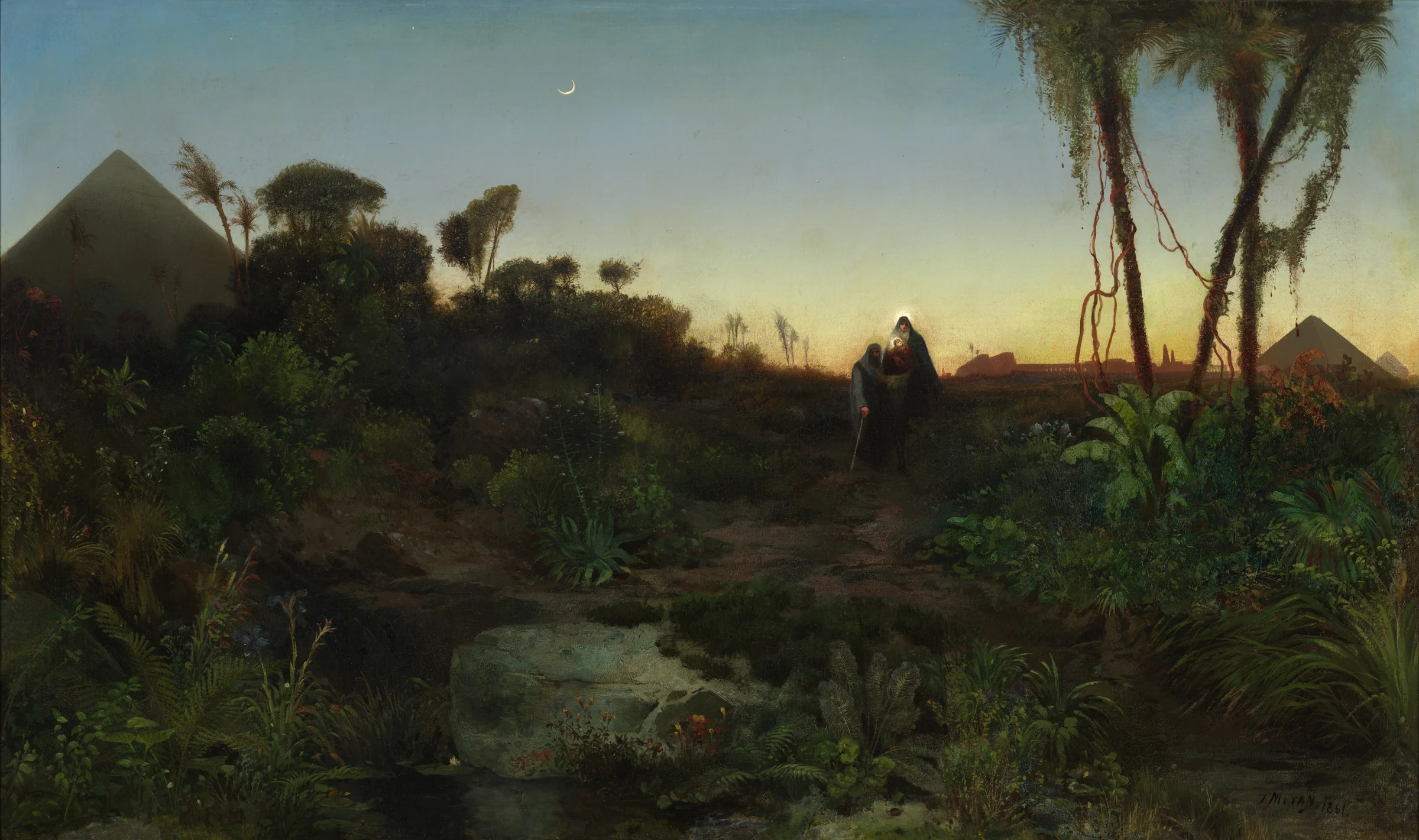
Flight into Egypt
1861 · oil on canvas
1951-12-31—$585.0079%
Flight into Egypt
1861 · oil on canvas
1950-08-01—$135.0079%
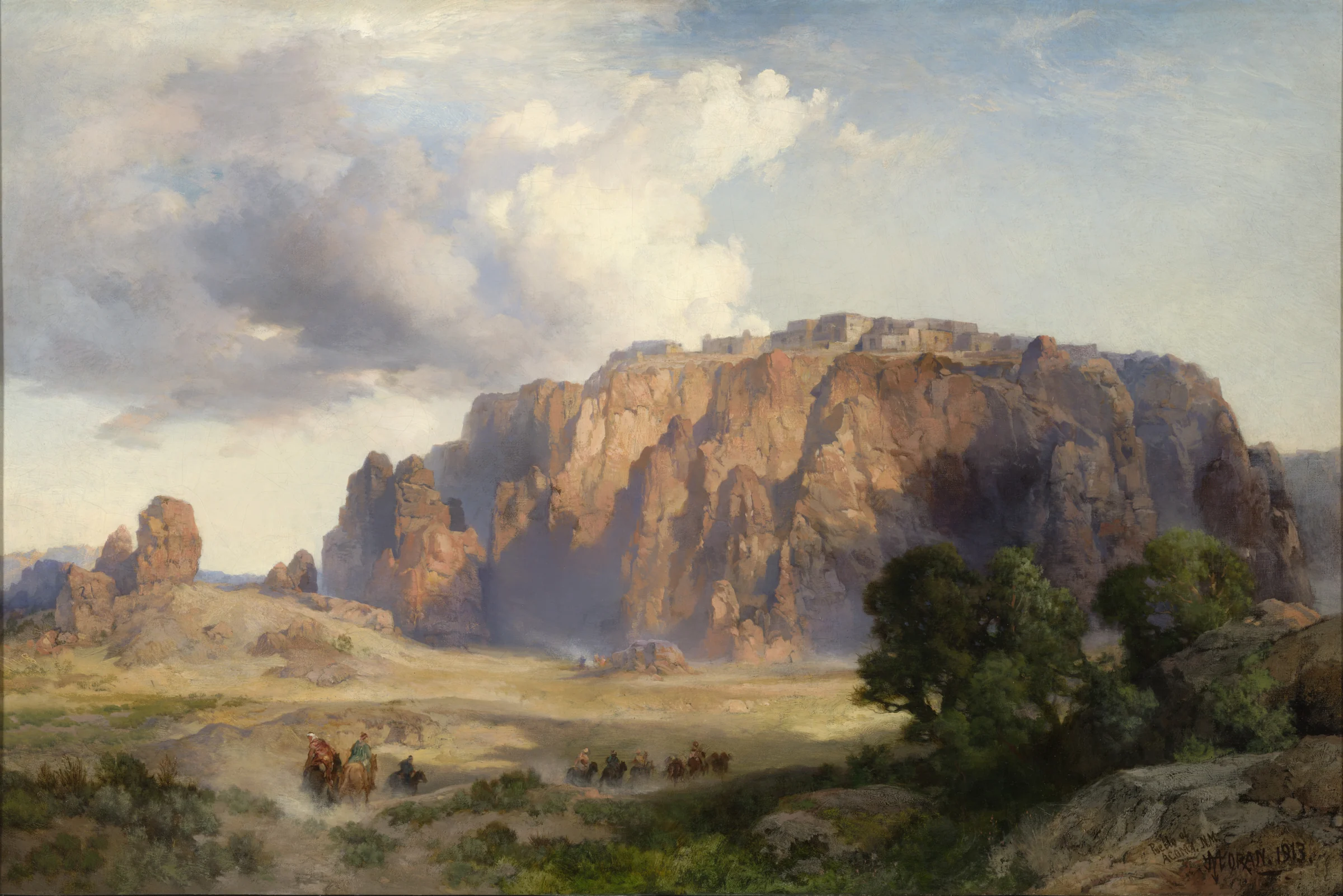
Pueblo of Acoma, New Mexico
1913 · oil on canvas
1951-12-31—$1,500.0068%
Pueblo of Acoma, New Mexico
1913 · oil on canvas
1950-05-05—$1,500.0068%
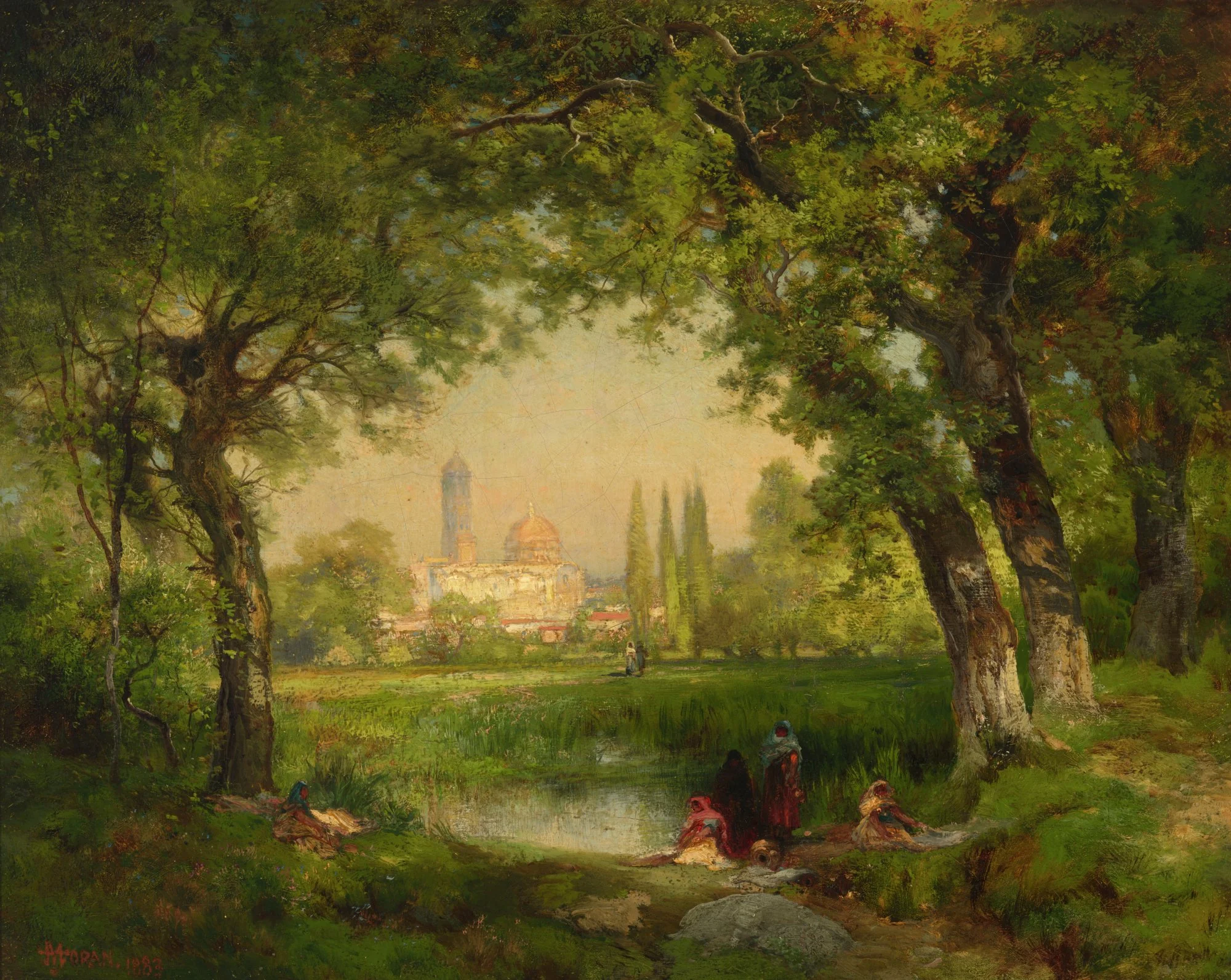
Cathedral of Maravatio
1883 · oil on board
1959-01-05—$1,720.0058%
Cathedral of Maravatio
1883 · oil on board
1951-12-31—$450.0057%

Similarity score is descriptive evidence ranking, not a valuation model. Every row comes from the public-rights market boundary.
Provenance

Public
Accession gift/purchase

Accession gift/purchase

Source provenance text

Accession gift/purchase

Gilcreaseconfidence 100%

Exhibitions

Public
No rights-cleared exhibition history is published.
Related public works

Catalog neighbours

Explore catalog →

Sourced Overview Evidence

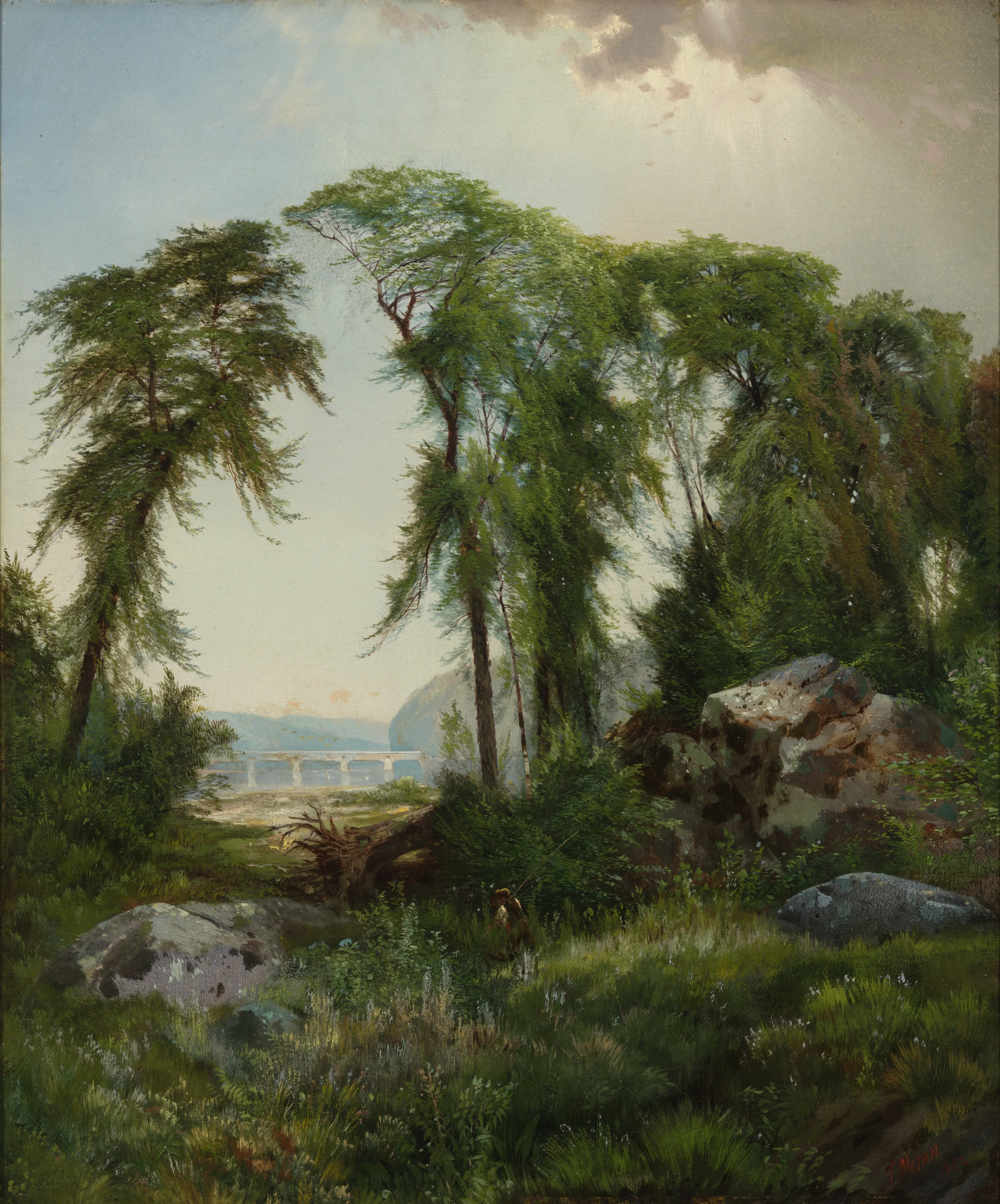
What could be more inviting on a summer day than to find a shady spot to rest under a canopy of tree branches? In Summer on the Susquehanna, Thomas Moran used cool blues and deep greens to create a tranquil, restful scene warmed by the sun. Almost obscured in the thick grasses is a figure with a fishing pole heading toward the river, which can be glimpsed in the distance. A path opens up before him, zigzagging around the fallen tree and then out onto the sun-drenched shore. This peaceful view was created, however, at a time when the United States was engaged in the Civil War (1861–65). The majority of Moran’s work from the early 1860s does not address the upheaval of a nation at war with itself; rather, the artist produced escapist landscapes such as Summer on the Susquehanna that could provide a momentary respite for those who were weary of conflict.1 Although Moran neither enlisted nor was drafted, he donated some of his paintings to Philadelphia’s 1864 Great Central Fair, which was organized to raise funds to aid sick and wounded Union soldiers. Moran also served as a volunteer member of the fair’s Fine Arts Committee, charged with soliciting paintings from artists and collectors for auction. More than one thousand paintings were donated, and the event raised $1 million, all of which was used to buy medical supplies for the Union.2 —Sandra Pauly, Henry Luce Foundation Curatorial Scholar for Moran Collection Research, 2021 _____________________________ 1 The most notable exception is Moran’s Slave Hunt, Dismal Swamp, Virginia (1861–62, Philbrook Museum of Art, 1947.8.44). 2 Wilkins, Thomas Moran: Artist of the Mountains, 48; and Anderson et al., Thomas Moran, 189, 352.

Gilcreaseconfidence 100%

Evidence state

2 observed sales · 6 comparable sales · 1 structured provenance events · 0 structured exhibitions.

Short DescriptionProvenance Text