Comparable Sales
Same-artist public sales ranked by medium, creation year, dimensions and sale recency.
No public-rights comparable sales meet the current evidence criteria. RELICT does not fill the table with research-only or licensed-only facts.

Observed sale facts, comparable evidence, artist index history and modeled research remain separate.
Same-artist public sales ranked by medium, creation year, dimensions and sale recency.
Herederos de John Frere (1740-1807), Royal Hall, Norfolk, England
(E.V. Thaw, sold to the Cleveland Museum of Art)
The Cleveland Museum of Art, Cleveland, OH
Herederos de John Frere (1740-1807), Royal Hall, Norfolk, England (E.V. Thaw, sold to the Cleveland Museum of Art) The Cleveland Museum of Art, Cleveland, OH
Year in Review: 1979. The Cleveland Museum of Art (organizer) (February 13-March 9, 1980). Recognizing van Eyck. Philadelphia Museum of Art (organizer) (April 4-May 31, 1998). The Mediterranean Renaissance. The Movement of Artists and Works of Art Between Italy, France, and Spain in the 15th-century.. Museo Nacional Thyssen-Bornemisza, Madrid, Spain (organizer) (January 31-May 6, 2001); Museo de Bellas Artes, Valencia, Spain (June 18-September 2, 2001). Jan van Eyck, Early Netherlandish Painting and the South of Europe. Groeningemuseum, Stedelijke Musea, Brugge, Belgium (March 15-June 30, 2002). Van Eyck: An Optical Revolution. Museum of Fine Arts Ghent, Ghent, Belgium (organizer) (February 1-April 30, 2020) https://www.mskgent.be/en/exhibitions/van-eyck. Petrus Christus, Renaissance Master of Bruges, The Metropolitan Museum of Art, New York, NY (April 11-July 31, 1994).
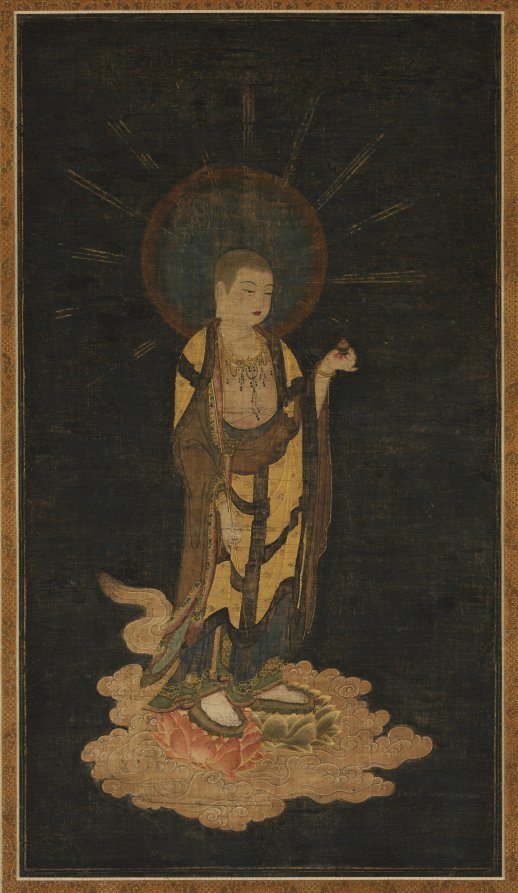
Unknown artist · 1200
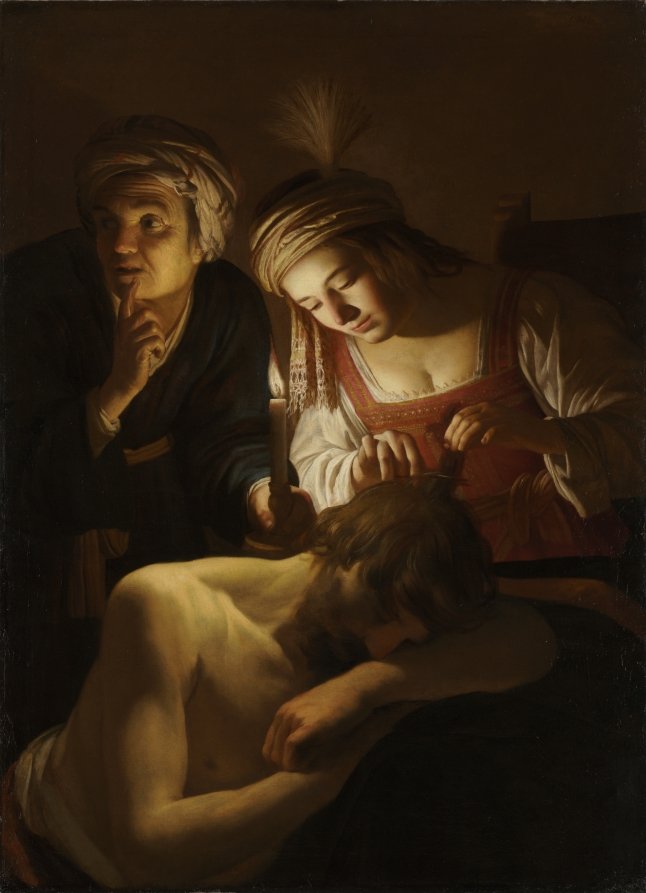
Gerrit van Honthorst (Dutch, 1590–1656) · 1615

Giovanni Battista Langetti (Italian, 1635–1676) · 1655
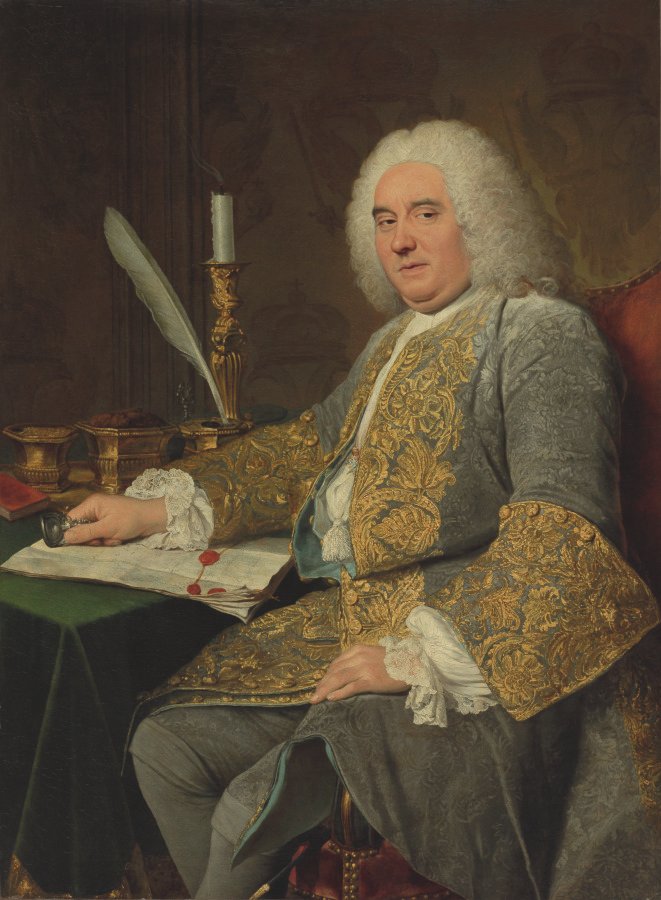
Jacques André Joseph Aved (French, 1702–1766) · 1738

Jueji Yongzhong (Chinese, active around 1300) · 1250
The overall style of this painting suggests that it was painted by an artist closely associated with the Netherlandish painter Jan van Eyck. The facial structure of the saint as well as the artist’s treatment of his cloak are typical of van Eyck’s follower, Petrus Christus. Christus was active in the city of Bruges and was a probable pupil and successor to Jan van Eyck, with whom his paintings have often been confused. Here, Christus depicts John the Baptist as an isolated, monumental figure without his typical hairshirt or other references to his life. This approach is derived from Claus Sluter’s monumental image of Saint John from the portal at Champmol and from manuscript illuminators working for Philip the Bold and his brother Jean de Berry. Here, John holds the Lamb of God, a symbol of Christ’s sacrifice and a reference to John’s proclamation of Christ’s redemption of humankind. Upon his death, Christus was succeeded by Hans Memling as the next great painter in Bruges.
0 observed sales · 0 comparable sales · 3 structured provenance events · 5 structured exhibitions.