Comparable Sales
Same-artist public sales ranked by medium, creation year, dimensions and sale recency.
No public-rights comparable sales meet the current evidence criteria. RELICT does not fill the table with research-only or licensed-only facts.
Observed sale facts, comparable evidence, artist index history and modeled research remain separate.
Same-artist public sales ranked by medium, creation year, dimensions and sale recency.
(David Newman, London, England, sold to the Cleveland Museum of Art)
The Cleveland Museum of Art, Cleveland, OH
(David Newman, London, England, sold to the Cleveland Museum of Art) The Cleveland Museum of Art, Cleveland, OH
The Year in Review for 1988. The Cleveland Museum of Art, Cleveland, OH (organizer) (March 1-May 14, 1989). The Lure of Painted Poetry: Japanese and Korean Art. The Cleveland Museum of Art, Cleveland, OH (organizer) (April 15-August 21, 2011).
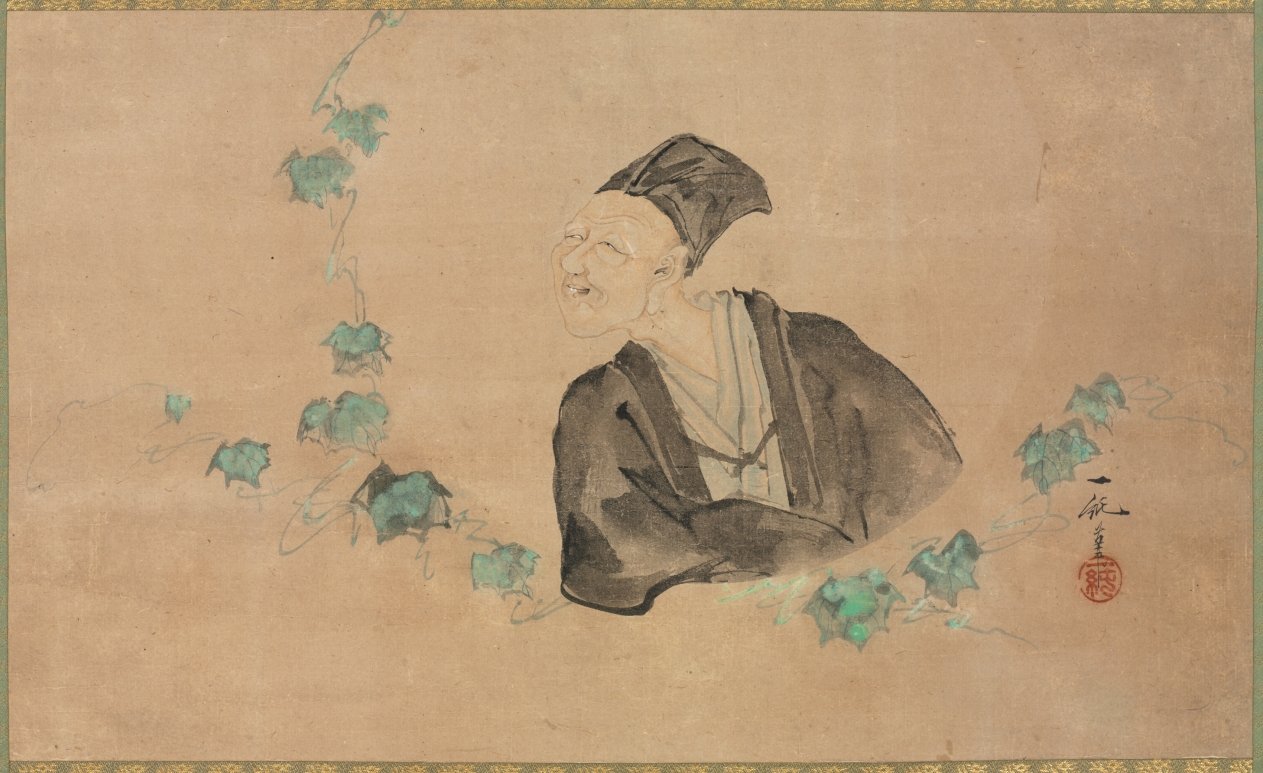
The 15th-century poet Matsuo Basho is still considered Japan’s greatest master of the haiku poem, a short, 17-syllable verse form that relates some aspect of nature to the human experience. Although he was one of the most celebrated men of his day, he pursued a simple life of self-imposed poverty and solitude. In this portrait, Ichijun alluded to Matsuo’s haiku about the transient life: <em>warau beshi naku beshi, waga asagao no, shibomu toki</em> (to smile or to cry when my face in the morning [glory] is wilted).
0 observed sales · 0 comparable sales · 2 structured provenance events · 2 structured exhibitions.