Comparable Sales
Same-artist public sales ranked by medium, creation year, dimensions and sale recency.
No public-rights comparable sales meet the current evidence criteria. RELICT does not fill the table with research-only or licensed-only facts.
Observed sale facts, comparable evidence, artist index history and modeled research remain separate.
Same-artist public sales ranked by medium, creation year, dimensions and sale recency.
(Sander L. Feldman, Washington, DC, sold to the Cleveland Museum of Art)
The Cleveland Museum of Art, Cleveland, OH
(Sander L. Feldman, Washington, DC, sold to the Cleveland Museum of Art) The Cleveland Museum of Art, Cleveland, OH
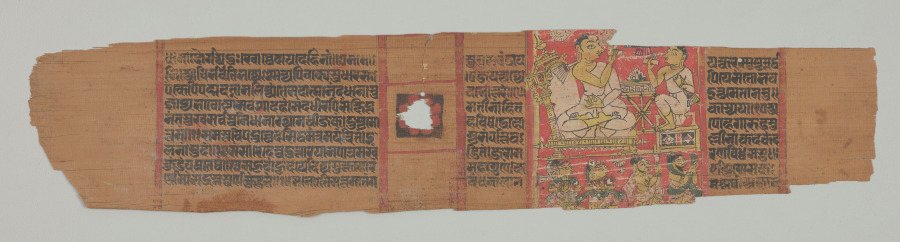
Unknown artist · 1270
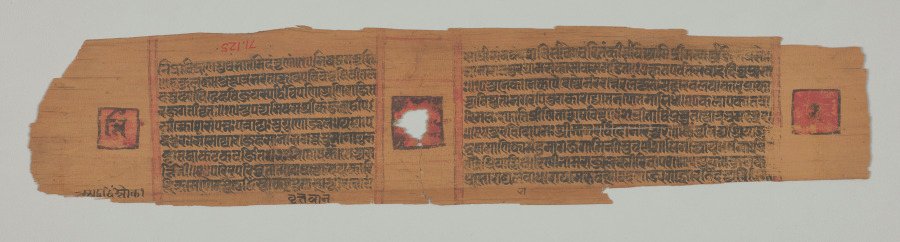
Unknown artist · 1270
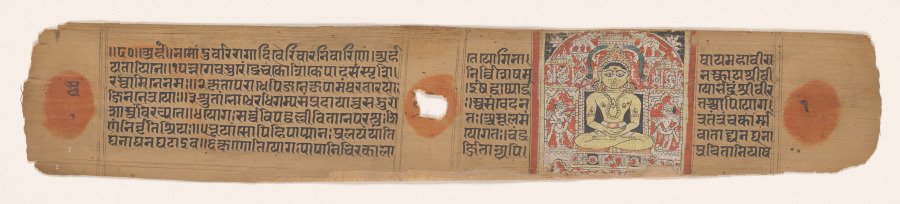
Unknown artist · 1265
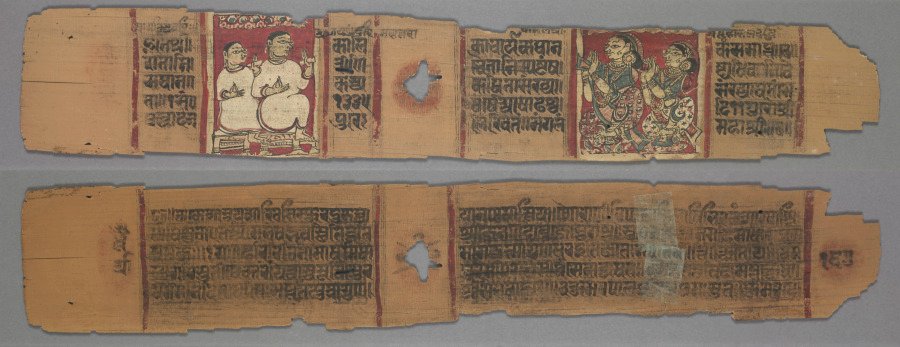
Unknown artist · 1278

Unknown artist · 1278
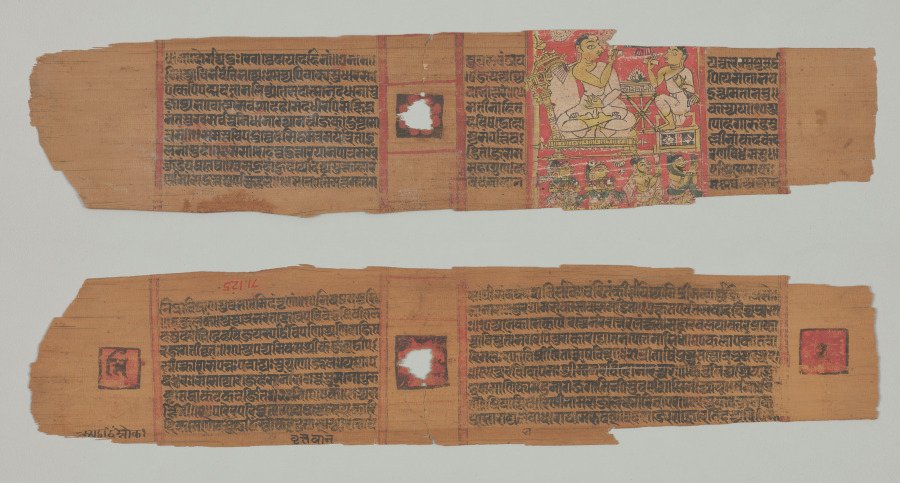
This leaf comes from the beginning of a manuscript about the life and nine past lives of the penultimate Jina (liberated being in the Jain religion), known as Parshva. Composed by a learned Jain monk in 1255, it opens with praises exalting the Jinas. This manuscript was produced not long after the text gained popularity, since the style of the painting accords with others made during the third quarter of the 13th century. The language of the text is Sanskrit with the incorporation of numerous elements drawn from regional vernaculars.
0 observed sales · 0 comparable sales · 2 structured provenance events · 0 structured exhibitions.