Comparable Sales
Same-artist public sales ranked by medium, creation year, dimensions and sale recency.
No public-rights comparable sales meet the current evidence criteria. RELICT does not fill the table with research-only or licensed-only facts.
Observed sale facts, comparable evidence, artist index history and modeled research remain separate.
Same-artist public sales ranked by medium, creation year, dimensions and sale recency.
William E. Ward [1922-2004], Solon, OH, given to the Cleveland Museum of Art
The Cleveland Museum of Art, Cleveland, OH
William E. Ward [1922-2004], Solon, OH, given to the Cleveland Museum of Art The Cleveland Museum of Art, Cleveland, OH
Indian Kalighat Paintings. The Cleveland Museum of Art, Cleveland, OH (organizer) (May 1-September 18, 2011).
Unknown artist · 1875
Unknown artist · 1875
Unknown artist · 1875
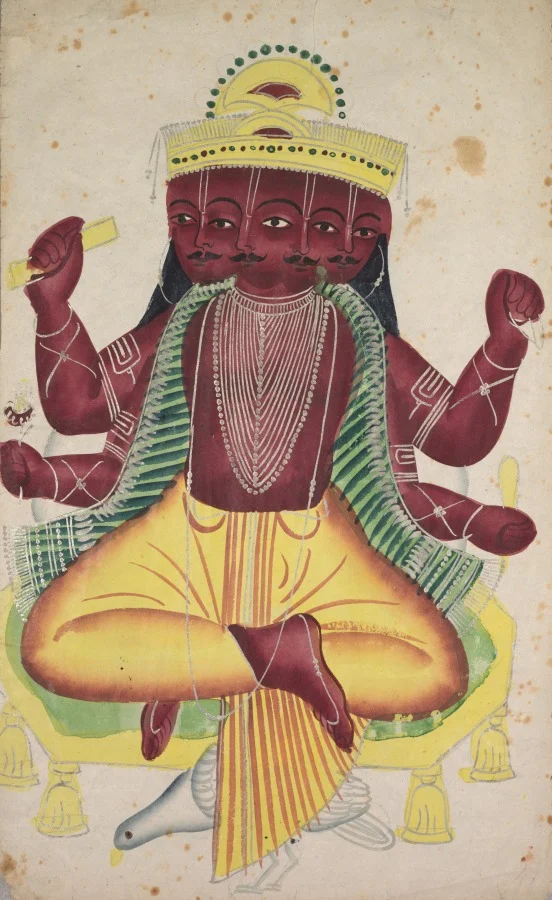
Unknown artist · 1875
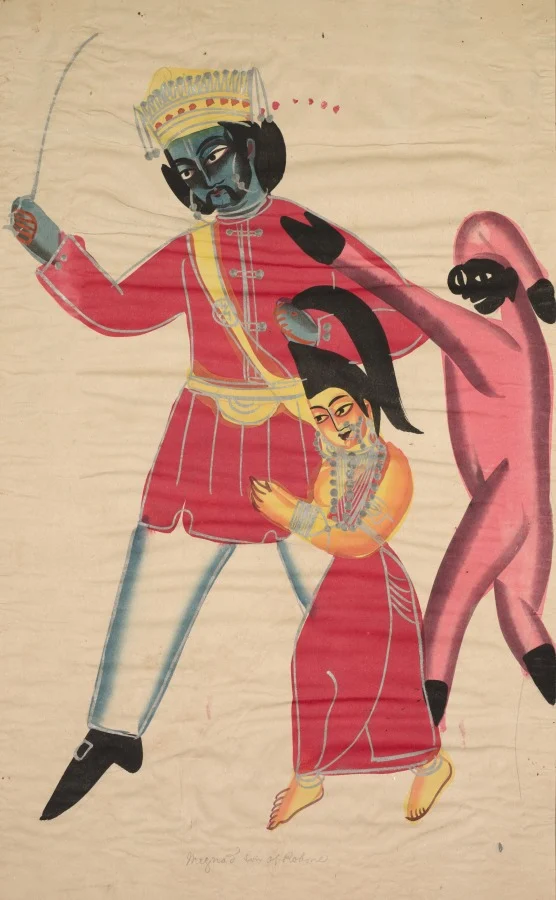
Unknown artist · 1875
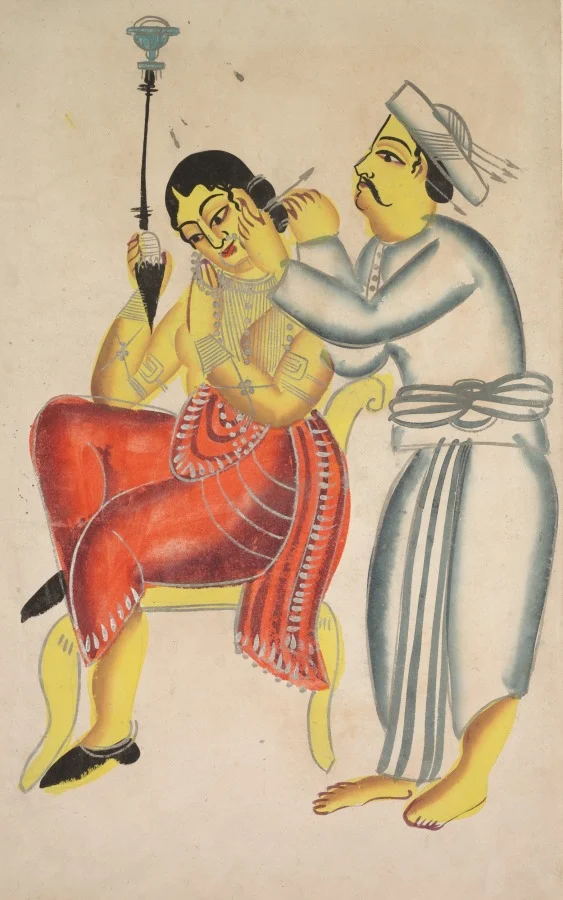
Kalighat paintings reflect the time and context in which they were created. Kalighat painters used their medium to offer penetrating and insightful critiques of British-influenced Indians as well as the British themselves through satires and caricatures. Newly rich Bengali native Indian clerks (babus) aspired to dress and behave like their British masters, and Kalighat painters taunted them for this. A chinless barber with cleaning pins tucked in his turban is cleaning the ears of a lady customer. A fashionable woman, she smokes a hookah and exposes one breast to her flirtatious barber. As the Bengali babus spent time with their mistresses and courtesans, neglected wives and concubines were portrayed as relying on the company of their servants.
0 observed sales · 0 comparable sales · 2 structured provenance events · 1 structured exhibitions.