Comparable Sales
Same-artist public sales ranked by medium, creation year, dimensions and sale recency.
No public-rights comparable sales meet the current evidence criteria. RELICT does not fill the table with research-only or licensed-only facts.
Observed sale facts, comparable evidence, artist index history and modeled research remain separate.
Same-artist public sales ranked by medium, creation year, dimensions and sale recency.
(Heeramaneck Galleries, New York, NY, sold to the Cleveland Museum of Art)
The Cleveland Museum of Art, Cleveland, OH
(Heeramaneck Galleries, New York, NY, sold to the Cleveland Museum of Art) The Cleveland Museum of Art, Cleveland, OH
Year in Review (1963). The Cleveland Museum of Art, Cleveland, OH (organizer) (November 27, 1963-January 5, 1964). Indian Gallery 242b Rotation – November 2016. The Cleveland Museum of Art (organizer) (November 7, 2016-April 10, 2017).
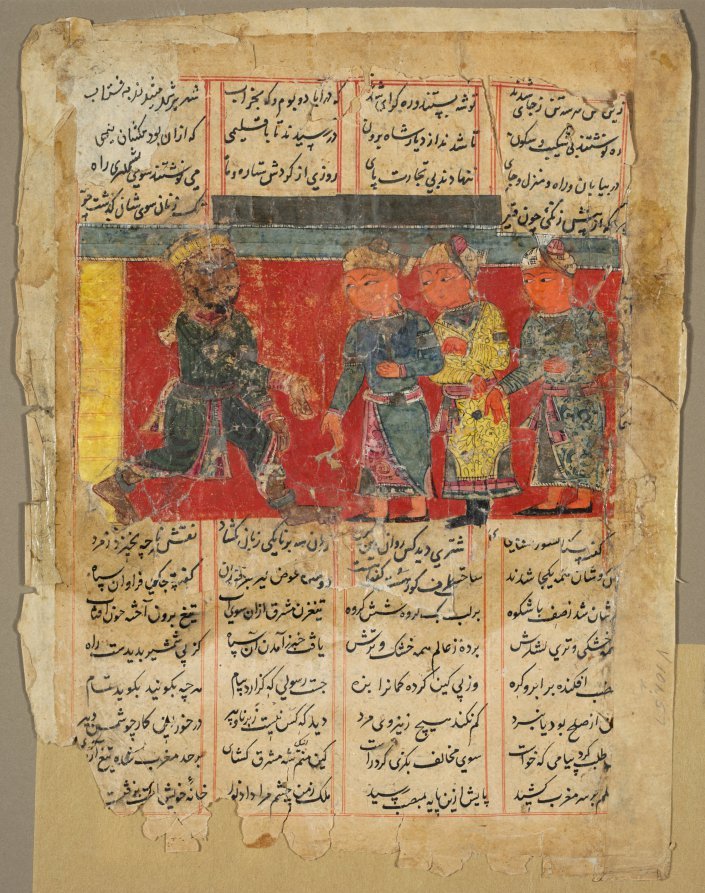
Unknown artist · 1420
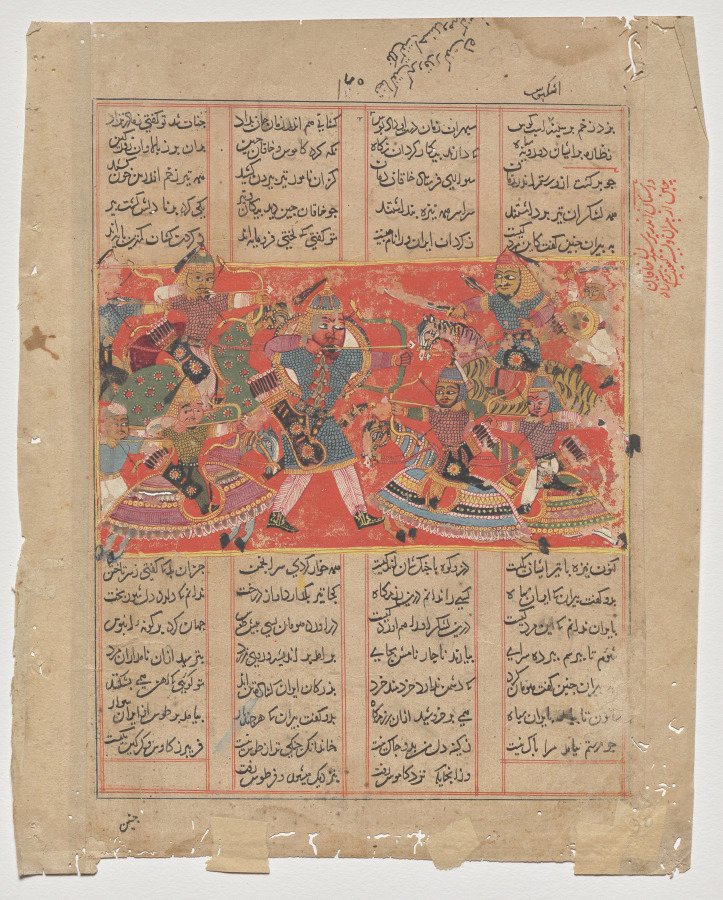
Unknown artist · 1395

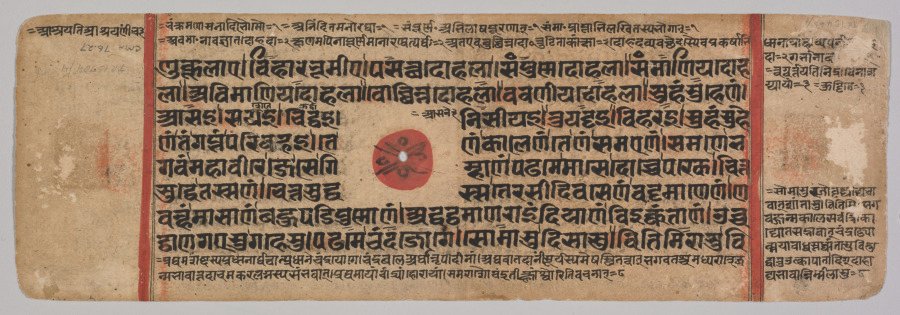
Unknown artist · 1520

Unknown artist · 1520
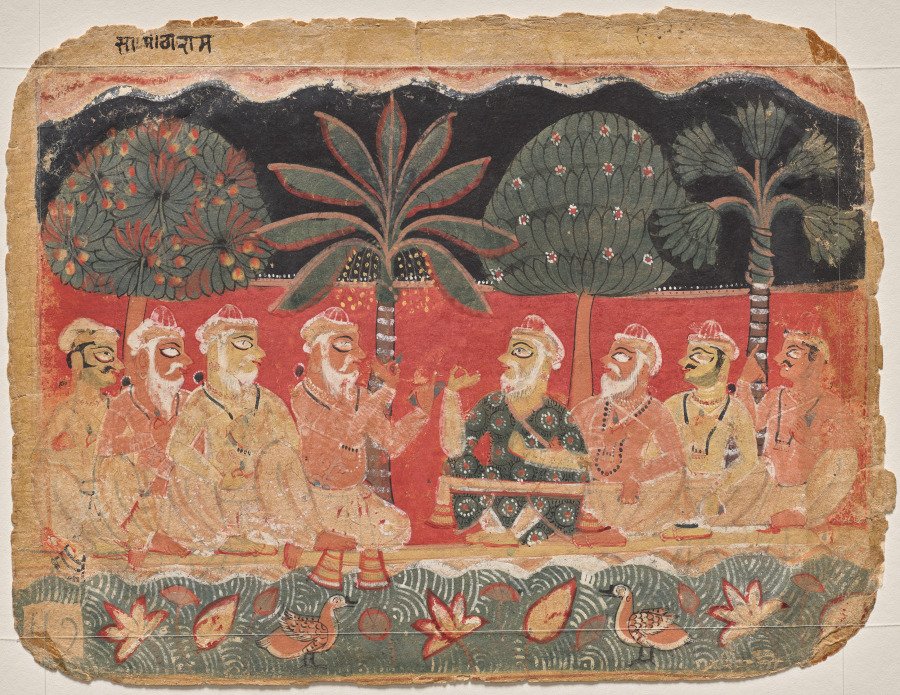
Unknown artist · 1520
The text on this page discusses the wars between Morocco and Zang, a region of eastern Africa centered in present-day Ethiopia. In the painting the King of Zang meets three envoys. The dramatic gesture of the Zangi king, who stretches out one hand as he takes an enormous stride toward the envoys, identifies him as a powerful, assertive figure. <br><br>This page is from the first known manuscript of a Persian literary text illustrated by an Indian artist, who had probably been trained in the Jain manuscript tradition. The figures are arranged on one plane in a straight line against a flat red background, typical of manuscript painting in India in the 1400s.
0 observed sales · 0 comparable sales · 2 structured provenance events · 2 structured exhibitions.